Three days in Copenhagen work best as three compact geographic clusters, one anchor reservation per day and a fallback for rain or closure. That structure leaves time to understand the public-transport system, cross bicycle lanes safely and enjoy the waterfront without turning the visit into a race between ticket scanners.
This itinerary assumes three full sightseeing days and accommodation in or near the connected inner city. Arrival and departure are separate. If they consume part of Day 1 or Day 3, remove an attraction rather than compressing the route.
| Day | Geographic cluster | One possible anchor |
|---|---|---|
| 1 | Nyhavn, Amalienborg and the harbour | a dated canal tour or palace visit |
| 2 | Rosenborg, museums and the historic centre | one selected museum time slot |
| 3 | Vesterbro and central Copenhagen | Tivoli only if its live calendar fits |
Use the Denmark destination guides for a wider trip. This guide follows Travytour’s editorial policy: opening hours, tickets, transport, exhibitions and accessibility are checked again for the exact dates.
Before booking: put the three dates on a calendar
Do not begin with a generic Monday-to-Sunday itinerary. Museums can close on particular weekdays, Tivoli operates by dated seasons and events, and temporary exhibition work can remove galleries. Put the actual dates beside Day 1, Day 2 and Day 3, then open every venue’s official calendar.
For each anchor, record:
- opening and last-entry time;
- advance booking or same-day time-slot rule;
- cancellation and re-entry terms;
- what the basic ticket includes;
- current accessibility information;
- the nearest usable public-transport stop;
- an indoor or untimed substitute in the same area.
One anchor per day is enough. Additional places remain options, not promises.
Airport and city transport without a frozen journey time
Copenhagen Airport is connected to the city by public transport, but “city centre” is not one stop and a remembered duration is not a booking fact. Search from the airport terminal to the exact accommodation in the official DOT journey planner. Check the date, time, mode, zones, changes and planned disruption.
The same public-transport ticket system can cover buses, trains, metro and harbour buses within its validity, but the correct zones and duration depend on the journey. Buy and activate the appropriate ticket before travel and retain it for inspection.
For a three-day inner-city plan, compare:
- individual tickets for the journeys you will actually make;
- any current public-transport visitor product that covers the required zones;
- Copenhagen Card Discover when its attractions and zone coverage match the plan;
- Copenhagen Card Hop when sightseeing-bus access, rather than public transport, matches the plan.
Discover and Hop are different products. Hop does not become a metro ticket merely because both carry the Copenhagen Card name. Confirm airport coverage and the full validity period before activation.
Compare the city card from an exact basket
Remove old DKK and EUR card prices from the decision. The official price page warns that prices can change. List only attractions you genuinely intend to enter, their dated individual admission and necessary transport.
| Basket | Add in DKK | Important exclusions |
|---|---|---|
| Individual purchase | attraction tickets plus exact transport | booking fees and required time slots |
| Discover | live card price plus anything not included | activation window, one visit, reservations |
| Hop | live card price plus public transport needed | airport and ordinary public transport if excluded |
The included-attractions page and conditions control the comparison. Inclusion does not guarantee availability, queue skipping or a particular time slot. Some attractions require advance arrangements; others apply same-day processes. The card must remain active throughout a covered transport journey.
Use the official calculator as a cross-check, then inspect each venue. Choose the lowest complete basket, not the option with the largest number of theoretical attractions.
Day 1: Nyhavn, Amalienborg and the harbour
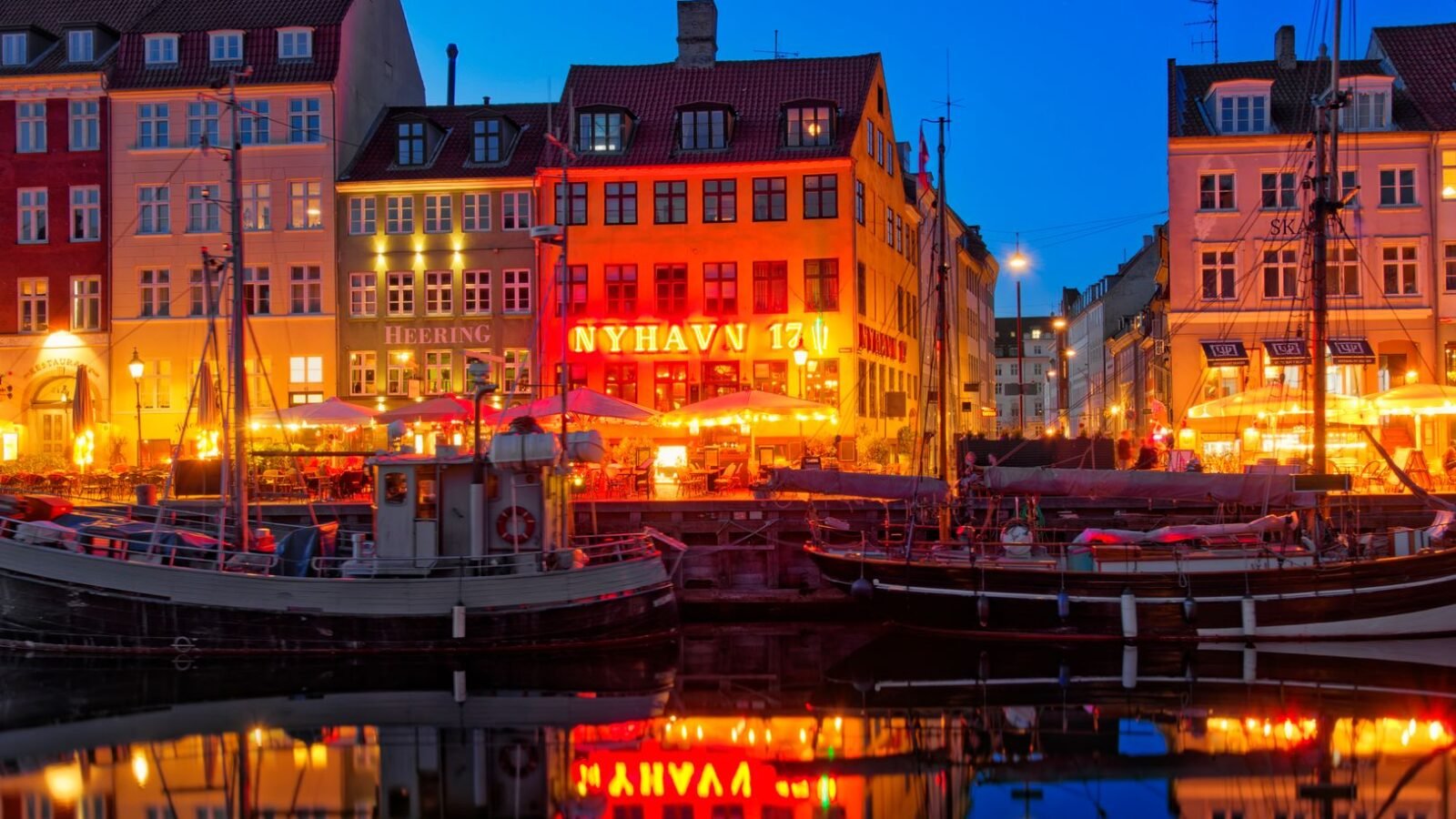
Start at Kongens Nytorv or another stop that fits the accommodation. Walk through Nyhavn without treating the waterfront as a compulsory restaurant purchase. It is a public place and can be enjoyed at a slow pace.
Continue toward Amalienborg and the harbour only as far as the group’s energy and conditions allow. If a royal collection interior is the day’s anchor, use its official ticket and opening information; the exterior square does not prove that a museum is open.
Choose one of these anchor shapes:
Canal-tour version
Book a specific operator, departure point and time. Confirm whether the selected Copenhagen Card product includes that exact tour and how a time is obtained. Record boarding access, weather cover, toilet availability, stroller and wheelchair arrangements directly with the operator.
Museum or palace version
Reserve one interior and keep the waterfront untimed. Do not combine multiple royal interiors simply because they appear close on a map.
Wet or windy fallback
Reduce the exposed harbour walk and move to the selected interior earlier if the venue permits. DMI warnings and the local forecast—not a seasonal stereotype—decide whether a canal or long waterfront walk is sensible.
Allow time to return without crossing bicycle lanes unpredictably. Look in both directions and cross only from the pedestrian area when the signal or road layout permits.
Day 2: Rosenborg area and one museum
Build the second day around King’s Garden, the Rosenborg area and one museum chosen by interest. The options are alternatives, not a checklist.
Royal-history option
Use the Royal Danish Collection’s current page for Rosenborg ticketing, time slots, closures and access. If the available slot breaks the route, choose another museum rather than designing the entire day around a historic recommendation.
Danish-design option
Designmuseum Danmark is housed in a listed building and publishes specific access guidance. It also changes opening patterns and last-entry rules. Verify the live page for your date, particularly Mondays, holiday dates and temporary changes.
Art option
The Glyptotek publishes dated opening information, special closures and gallery-installation notices. In 2026, for example, installation work affects part of the collection; future visitors must read the current notice rather than expecting every gallery mentioned in an old guide.
After the anchor, use the garden, streets or a café as optional time. If rain persists, stay longer at the museum only if the ticket and closing time permit it. Do not add another paid museum merely to “get value” from a card.
Day 3: Vesterbro and a conditional Tivoli evening
Keep the morning flexible in Vesterbro or the central area around the accommodation. A food hall, bakery, neighbourhood walk or another preselected indoor venue can work, but check the individual business rather than assuming every market opens daily.
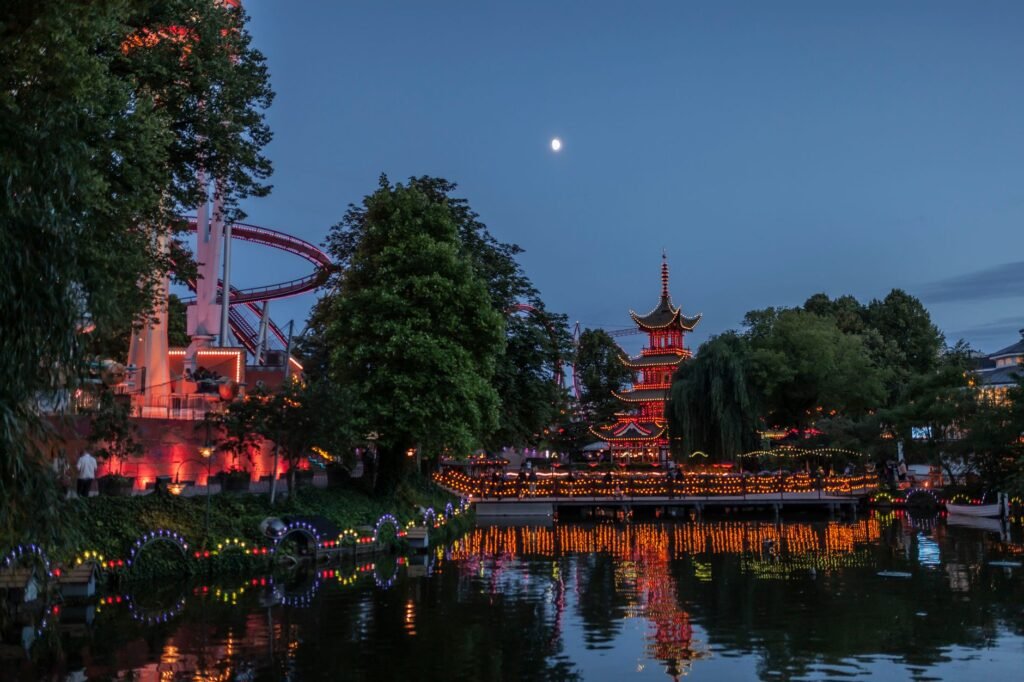
Tivoli is the possible anchor only when its official calendar shows the Gardens open on Day 3. Admission, ride access, performances and events can be separate products. Verify:
- the dated opening and closing times;
- garden admission versus ride or performance access;
- age, height and health restrictions for intended rides;
- event-specific booking or crowd rules;
- re-entry rules;
- accessibility and evacuation requirements;
- whether the chosen city card includes the intended admission.
Arriving in late afternoon can suit some dates, but it is not an evergreen instruction. On a short opening day, special event or winter schedule, another time may be more appropriate.
If Tivoli is closed or does not justify the live cost, substitute the Glyptotek, Designmuseum, another officially checked venue, or an unhurried neighbourhood block. The three-day trip is complete without Tivoli.
Cycling is optional, not a Copenhagen obligation
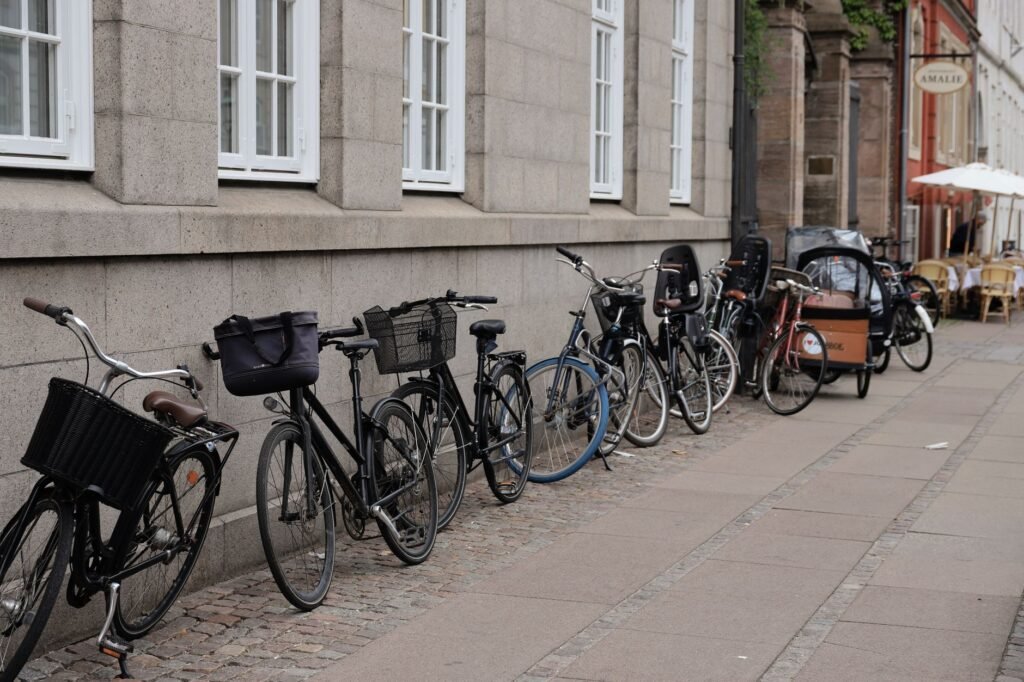
Good infrastructure does not replace bicycle competence. VisitCopenhagen advises new riders to learn the rules, avoid busy periods and be cautious on larger inner-city streets. Local bicycle lanes function as transport corridors, not sightseeing pavements.
Rent only if every rider can start, stop, signal, shoulder-check and control the bicycle in traffic. Check lights, brakes, lock, helmet availability, insurance, parking and the operator’s damage terms.
Key visitor habits include keeping right except when passing, signalling stops and turns, leaving the phone away and following the local two-stage left-turn process. Never stop in the lane for navigation or a photograph.
Walking and public transport are fully valid alternatives. Families, nervous riders and people adapting to a different traffic system do not miss an essential experience by declining a rental.
A realistic pace for different travellers
Three days are a framework, not a minimum everyone must meet. A traveller who enjoys long museum visits may choose one area daily. Someone with limited mobility may need fewer transfers and verified rest stops. Families need meals, toilets and unscheduled recovery time.
At each handoff, check the pavement, kerb, station lift, vehicle boarding, venue entrance, cloakroom and toilet. A general accessibility icon cannot prove the whole route.
Designmuseum and the Glyptotek both explain constraints created by listed historic buildings. Contact the venue when a lift, wheelchair dimension, companion ticket, sensory environment or step-free path is essential. At Tivoli, ride access also depends on evacuation capability and the individual attraction.
Where to stay without neighbourhood price promises
Do not claim Indre By is always expensive or Vesterbro always cheaper. Search the same three or four nights and compare the final refundable amount with the transport and walking required.
Indre By
Useful when the chosen anchors are central and the walking route is suitable. Check nightlife noise, lift access and the exact station entrance.
Vesterbro
Useful for Central Station and a possible Tivoli day. Street character varies by block, so inspect the exact address and recent property information.
Nørrebro or another connected district
Useful when the accommodation saving exceeds the repeated transport cost. Confirm late-evening connections and the actual walk from the stop.
Record taxes, breakfast, kitchen, cancellation, luggage storage, step-free access and late arrival. A lower nightly headline can lose once cleaning, transport or inflexible terms are added.
Budget in DKK using live totals
Denmark uses the Danish krone. Remove static USD daily tiers and euro conversions. They cannot describe different rooms, party sizes, meals or booking dates reliably.
| Budget line | Capture in DKK | Risk or limitation |
|---|---|---|
| Accommodation | final stay total and terms | noise, access and cancellation |
| Airport transfer | exact route and zones | separate onward booking |
| City transport | intended journeys | ticket validity and activation |
| Attractions | dated admissions | time slots and closed galleries |
| City card | exact product and duration | exclusions and unused entries |
| Food | chosen meal pattern | event and tourist-area pricing |
| Cycling | rental, lock and insurance | weather and competence |
| Contingency | flexible indoor alternative | changed operations |
Enter the complete DKK baskets in the Travytour Budget Calculator. Calculate per traveller because child, junior, student and companion conditions can differ between transport, card and venue.
Weather and packing
Check the DMI forecast and warnings shortly before each day. Wind can matter on the harbour and bridges; heavy rain, snow, ice or heat can alter walking and cycling even when an attraction stays open.
Carry a compact rain layer and shoes appropriate for the actual forecast. In cold or dark conditions, plan warm pauses and visible clothing. Do not use “changeable weather” as a substitute for checking a current warning.
Personal safety and emergencies
Use normal city precautions: secure valuables, keep phones away from platform and bicycle-lane edges, and retain accommodation details offline. Follow venue staff and transport instructions during disruption.
Denmark’s emergency number is 112. The police service number is 114, with the international form shown by Danish Police for general enquiries. Do not label the city categorically safe or unsafe from an unsourced ranking; respond to the actual environment and official alerts.
Responsible city travel
- Walk or use scheduled public transport when it fits the route.
- Park bicycles only where permitted and never obstruct ramps or tactile paths.
- Keep noise low in residential courtyards and at night.
- Ask before photographing people; obey current venue and community restrictions.
- Use public bins and refill points appropriately.
- Support local businesses without treating neighbourhoods as themed attractions.
- Respect waterfront edges, construction barriers and event controls.
Common mistakes
- Treating Discover and Hop as the same transport product.
- Buying a 72-hour card before listing intended admissions.
- Assuming card inclusion guarantees a time slot or queue priority.
- Freezing an old card price or converting it to a permanent euro value.
- Scheduling a museum on its closure day.
- Assuming Tivoli is open or every ride is included.
- Stacking two or three timed attractions in one day.
- Renting a bicycle without learning signals and lane practice.
- Claiming one neighbourhood is universally cheaper.
- Using a distant Day 4 excursion inside a three-day city plan.
FAQ
Is three days enough for Copenhagen?
It can support three coherent city clusters. If arrival or departure occupies one day, remove a cluster or add a night rather than compressing all activities.
Is the Copenhagen Card worth it?
Only after comparing a dated list. Calculate individual admission and transport against Discover and Hop separately, including reservations and exclusions.
Do I need a bicycle?
No. Rent only when you are comfortable with local rules and active city lanes. Walking and public transport cover this itinerary.
Should Tivoli always be on Day 3?
No. Its dated calendar controls the decision. Move it, substitute it or omit it according to opening, cost, weather and group needs.
Can I add a day trip?
A trip to Helsingør, Louisiana or another destination deserves a fourth full day and its own live transport and admission checks. Do not remove the departure buffer to force it into this plan.
Final booking sequence
Place the exact weekdays first. Select one anchor in each geographic cluster. Build individual-ticket, Discover and Hop totals in DKK. Reserve only what earns its place, save the official transport journey, and keep one same-area fallback for every day.