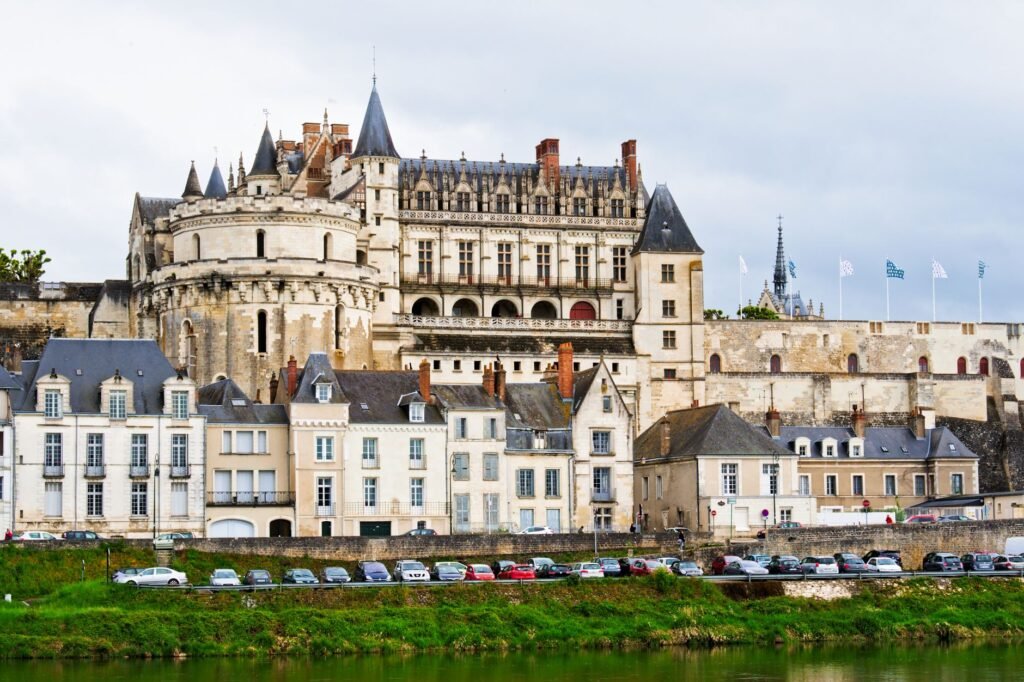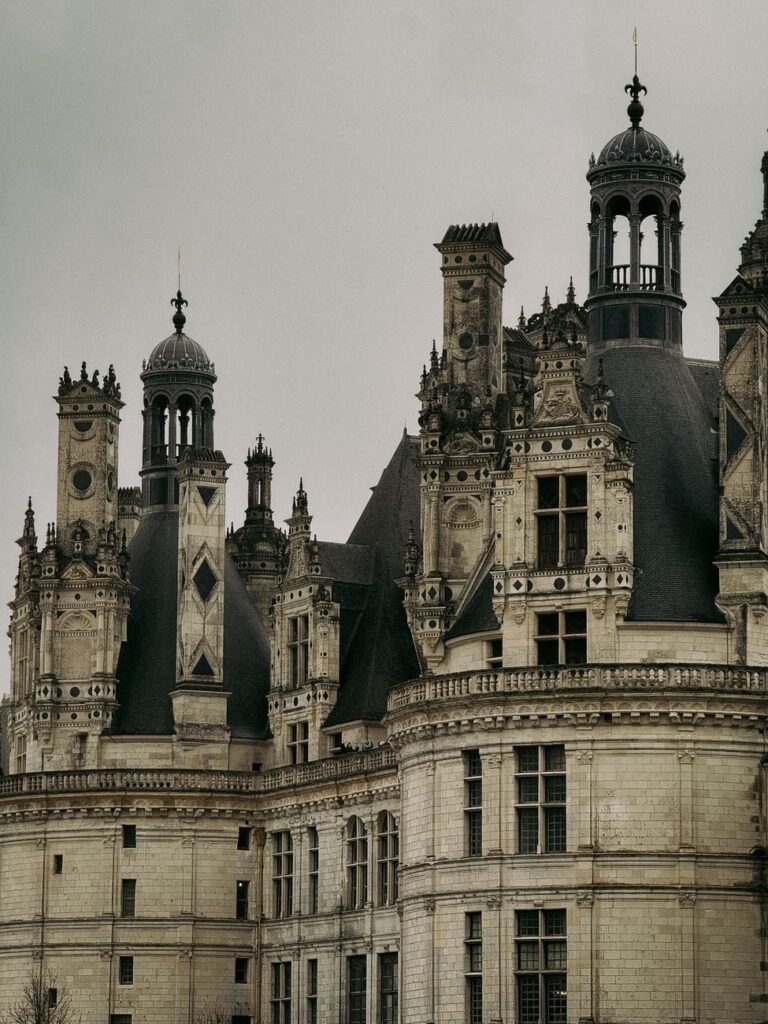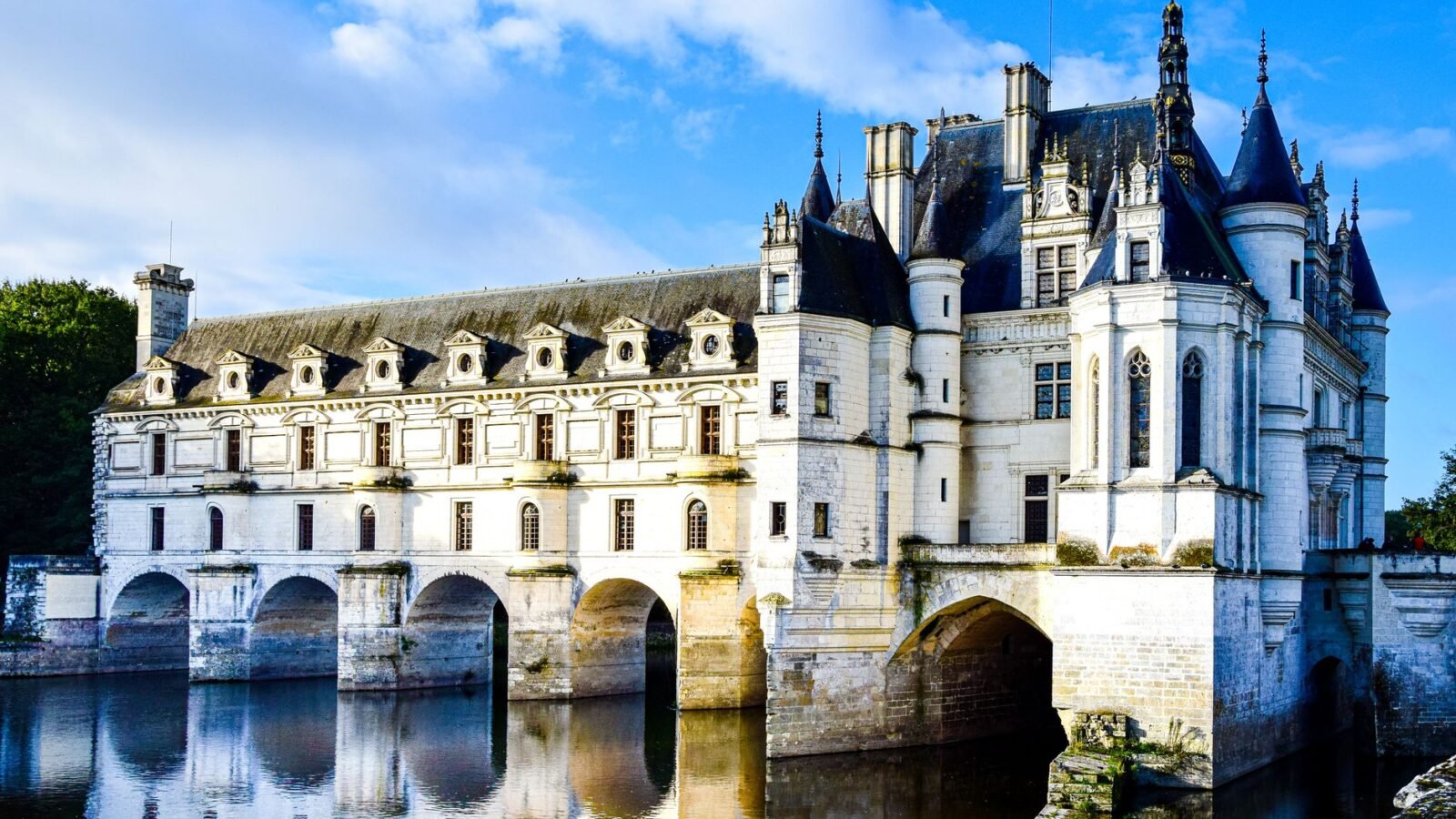
A successful one-day Loire Valley château visit begins by choosing one of three different day shapes, not by ranking every famous façade. From a Tours base, walk between two Amboise properties, spend the full day at Chenonceau, or book a carefully checked vehicle tour that explicitly includes Chambord. Do not combine the three plans.
| Plan | Best fit | Admission scope |
|---|---|---|
| Amboise walking pair | car-free travellers who want two contrasting interiors | Royal Château of Amboise and Clos Lucé |
| Chenonceau estate day | car-free travellers who prefer one deep visit | château, gardens and current estate offer |
| Vetted vehicle tour | travellers prioritising Chambord | only the named stops in the contract |
This guide assumes a night in Tours before and after the visit. A same-day trip from Paris adds long-distance rail, station changes and missed-connection exposure; price and test it as a separate plan. Use the France destination guides for a longer itinerary and Travytour’s editorial policy for the exact-date verification standard.
Why one day needs alternatives, not a universal route
The Loire landscape contains monuments with different gates, gardens, access limits and transport corridors. A combined ticket is not proof that its properties fit into one safe day. A map distance is not a timetable, and an attraction’s closing time is not the last train home.
The right decision depends on:
- the exact date and weekday;
- the first usable arrival and a protected return;
- which interiors and gardens matter to you;
- walking distance, gradients and historic stairs;
- ticket windows and last admission;
- weather and heat exposure;
- the group’s pace, meals and toilets;
- cancellation terms for every separate booking.
Choose the day shape first. Only then buy its transport and admission.
Base in Tours for a one-day regional plan
Tours is used here as a planning gateway, not claimed as the only or always cheapest base. Search accommodation near the exact station used by the chosen train and confirm whether the property name “Tours” hides a long local transfer.
Arrive the previous evening. Save the outbound and return journeys offline, identify platform information and keep a later feasible return as a disruption option where the ticket permits it.
If starting in Paris, search one complete itinerary to the château gate and back. Do not freeze a remembered one-hour TGV claim: departure station, connection at Saint-Pierre-des-Corps or Tours, local train, transfer margin and last return all change the usable day.
Plan A: two properties on foot in Amboise
This is the only two-château structure in the core recommendation. Rémi publishes regional journey information, but the search must be rerun for the exact date in both directions. Confirm which station is named and do not confuse the rail station with the old town.
The Royal Château of Amboise and Clos Lucé are in the same town, allowing the transfer between admissions to be planned as a walk rather than a second regional transport gamble. That does not make the route step-free or effortless. Map the actual station-to-gate and gate-to-gate path for the group.
Morning: Royal Château of Amboise
Book according to the live calendar and ticket rules. The Royal Château’s visitor regulations state that opening changes by season and explain that the estate closes after the ticket office; do not turn those current details into a permanent schedule.
The château stands on a rocky promontory. Its official access information describes a dedicated vehicle entrance for visitors with reduced mobility, requires an able-bodied companion in its current arrangement and notes that not every floor is physically accessible. Travellers who need that route must contact the venue, not follow the ordinary pedestrian approach from a map.
Inside, choose a self-guided tool or authorised tour that fits the booked ticket. Allow time for the residence, chapel and gardens according to interest. A temporary closure may not produce a partial refund, so read the conditions before purchase.
Midday: walk, meal and transfer
Do not book the second gate immediately after the theoretical end of the first visit. Leave time for the exit, toilets, food, the town walk and unexpected queues.
Check the exact terrain before committing. A distance that appears short can still include slope, paving and weather exposure. For wheelchair or limited-mobility visitors, ask both sites how their entrances connect; accessibility within each property does not certify the public route between them.
Afternoon: Clos Lucé
Clos Lucé is a separate admission associated with Leonardo da Vinci’s final years in Amboise and includes both historic rooms and a park experience. Verify its live page or the official regional château network for opening, price, last entry, exhibitions and access.
Treat the house and park as one substantial visit. Do not add Chenonceau afterward merely because a combination ticket exists. Protect the walk back to Amboise station and the selected return to Tours.
Amboise fallback
If one property closes or no useful time remains, visit the confirmed property properly and keep time for Amboise. Do not replace a cancelled admission with an unverified taxi race to another château.
Plan B: a full Chenonceau estate day
Rémi publishes Tours–Chenonceaux regional journey information. Notice the spelling: Chenonceaux is the commune and station; Chenonceau is the château. Search both directions for the date and confirm the walking route from the station to the entrance.
Chenonceau works well as one-estate day because the ticket decision can cover the château, its river setting and current gardens or estate spaces without another regional transfer. Verify what the selected admission actually includes.
Build the rail envelope first
Select a return train before choosing an entry. Record:
- exact Tours departure and Chenonceaux arrival;
- any change and platform margin;
- station assistance requirements;
- gate opening and last admission;
- a comfortable exit-to-platform buffer;
- a later usable return under the ticket terms;
- the final Tours connection to accommodation.
Do not rely on a daily frequency or “about 30 minutes” description. Engineering work, weekday and date control the journey.
Visit depth instead of a second château
Use the live estate map to decide how to divide time among the interior, gardens and other open areas. Choose an audio guide only if available for the selected ticket and traveller.
Chenonceau publishes wheelchair borrowing, a ramp and accessible services, but also uses video to present rooms that may not be physically reachable. That distinction matters: an accessible overview is not identical to access to every historic space.
Bring a meal only under current estate rules or use an open food option after checking service. Protect hydration and shade during hot conditions; shorten gardens in warnings rather than missing the return train.
Chenonceau fallback
If rail disruption prevents the outbound journey, remain in Tours or use an already researched local alternative. If weather affects gardens, prioritise the confirmed indoor visit only when authorities and the venue say travel remains appropriate.
Plan C: Chambord through a vetted vehicle product
Chambord should not be attached casually to the two car-free rail plans. Its official arrival information must be checked for current shuttle, road and parking arrangements. A seasonal service from Blois in one year does not become an evergreen bus promise.
For a one-day visitor without a car, use Chambord only when a current operator supplies a workable return from Tours or Paris. Before booking, require the contract to identify:
- pickup and drop-off address;
- every château stop and whether entry is included;
- guided versus independent time at each property;
- language and group size;
- vehicle and luggage conditions;
- wheelchair, mobility aid and child-seat arrangements;
- meal, tasting and optional-cost exclusions;
- cancellation, minimum participants and substitution rights;
- responsibility if transport is late;
- final return buffer for onward travel.
“Skip the line” can mean bypassing only a ticket-office queue, not security, timed entry or capacity control. Accept no such promise unless the operator defines it and the venue permits it.
If driving yourself
Designate a driver, include rental terms, fuel, tolls and parking, and keep the day alcohol-free for that driver. Price the live car park and walk from the actual parking area. Chambord’s large estate and current access arrangements deserve a single anchor, not proof that three properties fit.
Do not drive after an overnight flight or schedule a hard-to-change international departure afterward.
How to evaluate any organised tour
Compare the operator itinerary with official venue calendars. A listing may remain on sale after a venue changes hours, requiring a substitution allowed by fine print.
Create a simple audit:
| Question | Evidence required |
|---|---|
| Which properties? | names in the dated confirmation |
| Is admission included? | ticket type for each named site |
| How long on site? | usable gate-to-bus time, not driving day total |
| Is it guided? | guide location, language and group size |
| Is lunch included? | exact inclusions and dietary process |
| Is access suitable? | vehicle plus every venue handoff |
| What can change? | substitution and cancellation clauses |
| Who helps during delay? | active contact and responsibility |
Do not call a private product better, faster or more flexible until its full live total and terms are compared with the relevant rail day.
Opening dates and seasonal claims
Remove generic “best months.” Gardens, daylight, heat, rain, crowds, exhibitions and transport do not peak on one guaranteed schedule. The best date is one on which the chosen property operates, the transport returns safely and conditions suit the group.
Check each venue’s exact calendar shortly before booking and again the day before. Special events can affect roads, parking, rooms and closing. Temporary installation or conservation work can change what is visible.
Use Météo-France vigilance and the local forecast. Heat, storms, wind, flooding, snow or ice may affect outdoor estates and rail/road transport differently.
Accessibility: verify the complete chain
Historic monuments can provide strong adaptations without making every floor, tower, garden surface or approach step-free. Ask about the exact visit rather than relying on one accessibility label.
For a rail day, verify:
- assistance booking and boarding at both stations;
- lift or ramp availability on the dated service;
- station exit and surface to the venue;
- accessible entrance, ticket office and toilets;
- floors available by ramp or lift;
- companion eligibility and required evidence;
- wheelchair loan dimensions and deposit;
- evacuation limitations;
- return before assistance or station facilities end.
For the Amboise pair, repeat this for two venues and the route between them. For a vehicle tour, confirm both vehicle boarding and every property.
Families and visit pace
Do not describe all châteaux as family-friendly. Stairs, fragile interiors, long gardens, formal tours and quiet spaces affect children differently. Check stroller restrictions, child tickets, changing facilities, food and age suitability directly.
One deep estate or the Amboise pair is enough. Give children and adults time to eat, sit and use toilets. The slowest traveller controls the return margin.
Budget in EUR with live totals
Use euros and remove fixed USD tiers. A Tours-based rail day, a Paris operator day and a rental-car day are different products and cannot share one reliable price band.
| Budget line | Amboise pair | Chenonceau | Chambord product |
|---|---|---|---|
| Base transport | exact return rail | exact return rail | pickup travel or rental |
| Local handoff | station walking/access | station-to-gate route | parking or vehicle transfer |
| Admission | two dated tickets | one dated estate ticket | each inclusion/exclusion |
| Visit tools | selected guides only | selected guide only | guide language and gratuity |
| Food | town meal plan | estate/current options | contract or separate meal |
| Contingency | later return | later return | operator cancellation risk |
Enter live totals in the Travytour Budget Calculator. Calculate separately for adults, children, students, disabled visitors and companions because eligibility and proof vary.
What to carry
Use shoes suitable for paving, stairs and gardens. Carry water, a compact weather layer, charged phone, power bank, tickets and an offline record of return journeys. Bring only bags accepted by every venue.
Keep medication and accessibility documents with the traveller. Do not leave essential items in a tour vehicle unless the operator assumes responsibility in writing.
Responsible heritage travel
- Follow room, garden, photography and bag rules.
- Do not touch objects, climb barriers or enter closed lawns.
- Keep voices low in chapels and historic interiors.
- Use designated picnic and waste areas.
- Respect residents while walking through Amboise.
- Never fly a drone without landowner and airspace authority.
- Use public transport or a shared vehicle when it fits the plan.
- Buy local food or authorised interpretation without treating heritage as a photo queue.
Common mistakes
- Combining Amboise, Clos Lucé and Chenonceau because a joint ticket is sold.
- Freezing an old Paris–Tours or Tours–Chenonceaux duration.
- Assuming the château and station use identical spelling.
- Buying admission before confirming the return journey.
- Treating a tour listing as proof of included entrance.
- Assuming “skip the line” removes security or timed access.
- Adding Chambord through an old seasonal shuttle.
- Ignoring parking, walking, stairs and garden exposure.
- Using static USD tiers for unlike day products.
- Scheduling a flight or international train immediately after the regional day.
FAQ
How many Loire châteaux can I visit in one day?
One deep estate is a complete day. Two work most defensibly as the Amboise walking pair. Any other two- or three-property combination needs a dated operator plan and should not be assumed from distance alone.
Which château is best if I can choose only one?
Choose by interest and logistics: Chenonceau for a rail-accessible estate day, Chambord for scale with verified vehicle access, or Amboise when royal history and a town setting matter. There is no universal winner.
Can I do it from Paris?
Yes only after testing the complete dated chain or a contracted tour. Compare total door-to-door time, missed-connection exposure and usable time inside the gates with a night in Tours.
Do I need a car?
No for the Amboise or Chenonceau rail plans. Chambord requires exact-date access research; a current shuttle, hired tour or car may work, but none is assumed year-round.
Is a combined ticket automatically better value?
No. It saves money only if every included property fits the operating day and you genuinely want to visit it. Unused admission and rushed transfers are not savings.
Final decision rule
Choose Amboise for two walkable admissions, Chenonceau for one unhurried rail estate, or a contractually clear vehicle product for Chambord. Verify the return first, then the gates, then buy. A good Loire day ends with time still available for the journey home.