El Nido’s island-hopping tours don’t have evocative names — they’re labeled Tour A, B, C, and D, and each covers a different set of lagoons, beaches, and snorkel spots across the Bacuit Archipelago. First-time visitors often book the wrong one, or the right one at the wrong time of year, simply because the letter system isn’t self-explanatory. This guide breaks down what each tour actually includes, what it costs, and how to build a multi-day plan that doesn’t feel repetitive.
**Planning status (September 2, 2026):** The Philippines’ U.S. travel advisory was Level 2 when checked on September 2, 2026. Tour routes, lagoon access and environmental fees can change, so confirm them with the local operator shortly before departure.
Why island hopping is the centerpiece of an El Nido trip

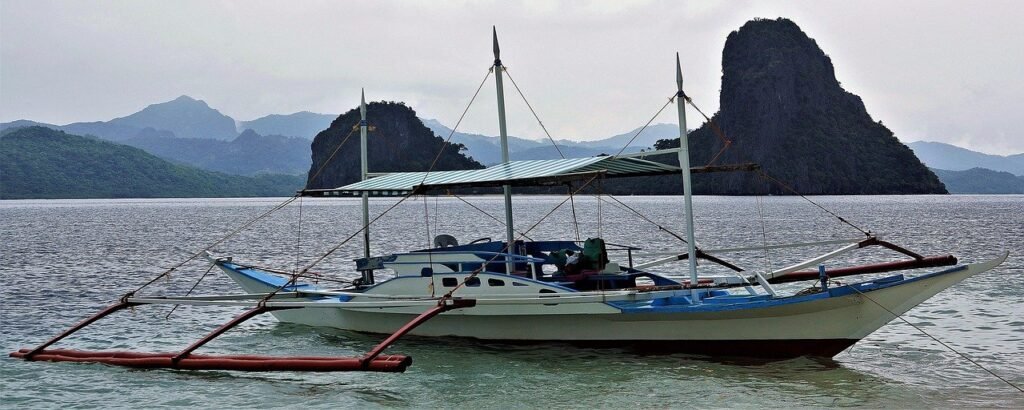
The Bacuit Archipelago’s limestone islands and hidden lagoons are largely accessible only by boat, and many of the standout spots — the Big and Small Lagoons, Secret Beach, Hidden Beach — require a short swim or kayak paddle even after the boat drops anchor. This is what makes El Nido distinct from a typical beach destination: the best parts of the trip happen on the water, moving between islands, rather than at a single resort.
The trade-off is that these tours run on a fairly fixed group schedule, weather-dependent, and popular lagoons get crowded by mid-morning in peak season. Planning around that reality — going early, choosing the right tour for your interests, and not trying to cram all four tours into two days — makes a real difference to how the trip feels.
Best time to go
Palawan’s dry season runs roughly October through May, and this window matters more for El Nido than almost anywhere else in the Philippines, because every tour depends on boats going out. December through February is peak season, driven by the Amihan (northeast monsoon), which brings calm seas, clear skies, and the still water that makes the lagoons photograph so well. March is often cited as the single best month, combining dry weather with strong underwater visibility.
The wet season (June–September) is genuinely risky for island-hopping plans — heavy rain and tropical storms are common in northern Palawan, and tours are canceled or rerouted with little notice when seas are too rough. If your trip dates fall in this window, build in flexible days rather than a tight single-day plan.
Shoulder months (May and November) offer a reasonable compromise of lower prices and thinner crowds, with weather that’s good more often than not, though less reliably than peak months.
How to get there
Most travelers reach El Nido via Puerto Princesa International Airport, followed by a van transfer of roughly five to six hours, or via a smaller direct flight into El Nido’s own airstrip during peak season, which cuts travel time significantly but comes at a higher fare and is more weather-dependent. Once in El Nido town, everything — tour departures, restaurants, most accommodation — is within walking or short tricycle distance of the town center, so you generally don’t need to arrange transport once you’ve arrived.
Understanding Tours A, B, C, and D
Each tour is operated by numerous local companies at similar prices and covers a fixed route of stops, typically running around four to five hours (some operators run closer to seven to eight hours for a fuller day), including a beach lunch.
**Tour A — the lagoon tour.** This is the most popular and typically the most crowded, covering the Big Lagoon, Small Lagoon, Secret Lagoon, Shimizu Island, and Seven Commandos Beach. If you only have time for one tour, this is usually the recommended choice, since it covers El Nido’s most iconic scenery. Actionable tip: book the earliest available departure — the Small Lagoon in particular gets congested with kayaks by mid-morning.
**Tour B — the caves and coves tour.** This route typically includes Hidden Beach, Secret Beach, Matinloc Shrine, and Star Beach, with more emphasis on secluded coves and a bit more swimming and snorkeling time than Tour A. Secret Beach — accessed through a narrow gap in the rock — is a highlight many travelers rank above anything on Tour A.
**Tour C — the shipwreck and reef tour.** This tour generally covers Hidden Beach’s opposite side of the archipelago, including a shipwreck snorkel site, Helicopter Island, and Matinloc Shrine, with more focus on snorkeling and marine life than dramatic lagoon scenery.
**Tour D — the beaches tour.** Typically the most laid-back option, covering Ipil Beach, Pinagbuyutan Island, Cudugnon Cave, and Nat Nat Beach, with fewer crowds than A or B and a slower pace overall.
Tour letters and exact stop lists vary slightly by operator and can change with conservation-driven site rotations, so confirm the specific itinerary before booking rather than assuming the route matches exactly what’s described above.
Realistic USD budget
**Budget tier:** Standard group tours run roughly ₱1,200–1,800 per person (approximately $20–32 at recent exchange rates) including lunch, for any of Tours A through D booked directly through a local operator in town. Add mandatory environmental and municipal fees (see below), plus a modest amount for drinks, tips for the boat crew, and rental snorkel gear if not included.
**Mid-range tier:** Booking through an online platform (Klook, GetYourGuide, Viator) typically costs somewhat more — roughly ₱1,500–2,500 per person — but includes a guaranteed spot during peak season and an English-speaking guide, which matters if you’re traveling in December through February without flexible dates.
**Upscale tier:** Private boat charters, which let you set your own pace, skip crowded stops, and combine highlights from multiple standard tours into a custom route, generally run several times the cost of a shared group tour — expect a meaningfully higher per-person rate for a small private group.
Mandatory fees
Beyond the tour price itself, El Nido charges mandatory environmental fees that aren’t always included in advertised tour prices, so budget for them separately. Based on research conducted for this guide, the general structure includes an Eco-Tourism Development Fee (ETDF) supporting conservation of the Bacuit Archipelago Marine Reserve, plus a separate municipal tourism fee. Environmental, municipal and lagoon fees can change and may be collected separately from the tour price. Confirm the current fee structure with the operator and local authority before booking. Some named lagoons or protected stops can have separate access arrangements or fees; confirm these when selecting your tour. Keep a small local-currency contingency rather than assuming every charge is included in the headline tour price.
How to plan a multi-day itinerary
Three to four full days in El Nido is a reasonable target for travelers who want to do the main tours without feeling rushed. A sensible sequence is Tour A on your first full day (to see the highlight lagoons early, ideally on the clearest weather day of your stay), Tour B on a second day (for Secret Beach and the coves), and then a rest day or Tour C/D depending on your interest in snorkeling versus quieter beaches. Doing all four tours back-to-back is possible but tends to blur together — most travelers find two, or at most three, tours enough to feel satisfied without repetition fatigue.
Actionable tips that apply across all tours: bring reef-safe sunscreen (regular sunscreen is discouraged and sometimes restricted near marine reserves), a dry bag for phones and cameras, and cash in small denominations for fees and tips. Seasickness can be a factor on rougher-water tours (particularly B and C, which spend more time in open water between stops), so consider motion sickness precautions if you’re prone to it.
Where to stay by traveler type
El Nido town center suits travelers who want to walk to tour departure points, restaurants, and nightlife without arranging transport — most tours depart from the town’s public beach area. Corong-Corong, a short tricycle ride south of town, suits travelers who want a quieter beachfront stay with a slightly more relaxed atmosphere while still being close enough to town for tours and dinner. Travelers seeking more remote, resort-style stays sometimes choose island resorts accessible only by boat, which trade town convenience for privacy and direct lagoon access, though these typically require pre-arranged transfers coordinated with the resort.
Safety and common mistakes
Life jackets are standard on all group tours and should be worn, particularly for travelers who aren’t strong swimmers, since some lagoon entries involve swimming through narrow openings. Confirm your tour is proceeding before heading to the departure point during shoulder season, as sudden weather changes can cause last-minute cancellations. A common mistake is booking Tours A and B back-to-back without a rest day — both are physically active with a lot of swimming and sun exposure, and combining them without a break often leads to sunburn and fatigue rather than enjoyment. Another frequent misstep is not confirming which fees are included in the advertised tour price, leading to unexpected cash costs on the day.
FAQ
**Which El Nido tour should I do if I only have one day?** Tour A, since it covers the most iconic lagoon scenery (Big and Small Lagoons) that most visitors come to see. Book the earliest departure to beat the crowds.
**Can I book island-hopping tours on arrival, or do I need to book ahead?** During peak season (December–February), booking a day or two ahead is recommended, especially through an online platform if you want a guaranteed English-speaking guide. In shoulder season, same-day or next-day booking in town is usually workable.
**Are the tours suitable for non-swimmers?** Yes, with caution — life jackets are provided and most swimming portions are optional, though some lagoon entries (like the Small Lagoon) do require getting into the water. Let your guide know if you’re not a confident swimmer.
**How many tours should I realistically plan for?** Two to three tours over three to four days is a comfortable pace for most travelers. Doing all four in quick succession is possible but tends to feel repetitive by the third or fourth day.
**Is El Nido island hopping worth it if the weather is uncertain?** It’s genuinely weather-dependent — rough seas can mean canceled or rerouted tours, particularly outside the November–May dry season. Building flexible days into your itinerary is the best safeguard against a washed-out plan.
**Do the tour letters (A, B, C, D) mean the same thing with every operator?** Generally yes, since the letters correspond to municipally coordinated routes, but exact stops can shift slightly between operators and over time due to conservation rotations. Always confirm the specific stop list when booking.
Next Step
Before booking anything, sketch out how many full days you’ll actually have in El Nido versus travel days getting there — that number will tell you honestly whether two tours or four is the realistic target, and save you from overbooking a trip that’s meant to be relaxed.
Related Travytour guides
- [Palawan or Cebu: Which Philippine Island Should You Choose?](/palawan-or-cebu/)
- [Bali or Lombok: Which Indonesian Island Fits Your Travel Style](/bali-or-lombok-travel-style/)
- [Sapa Trekking Guide for Beginners: What to Know Before You Go](/sapa-trekking-guide-for-beginners/)