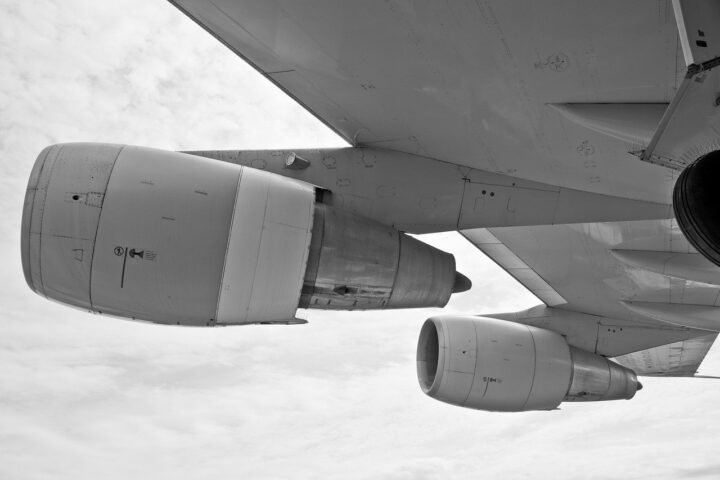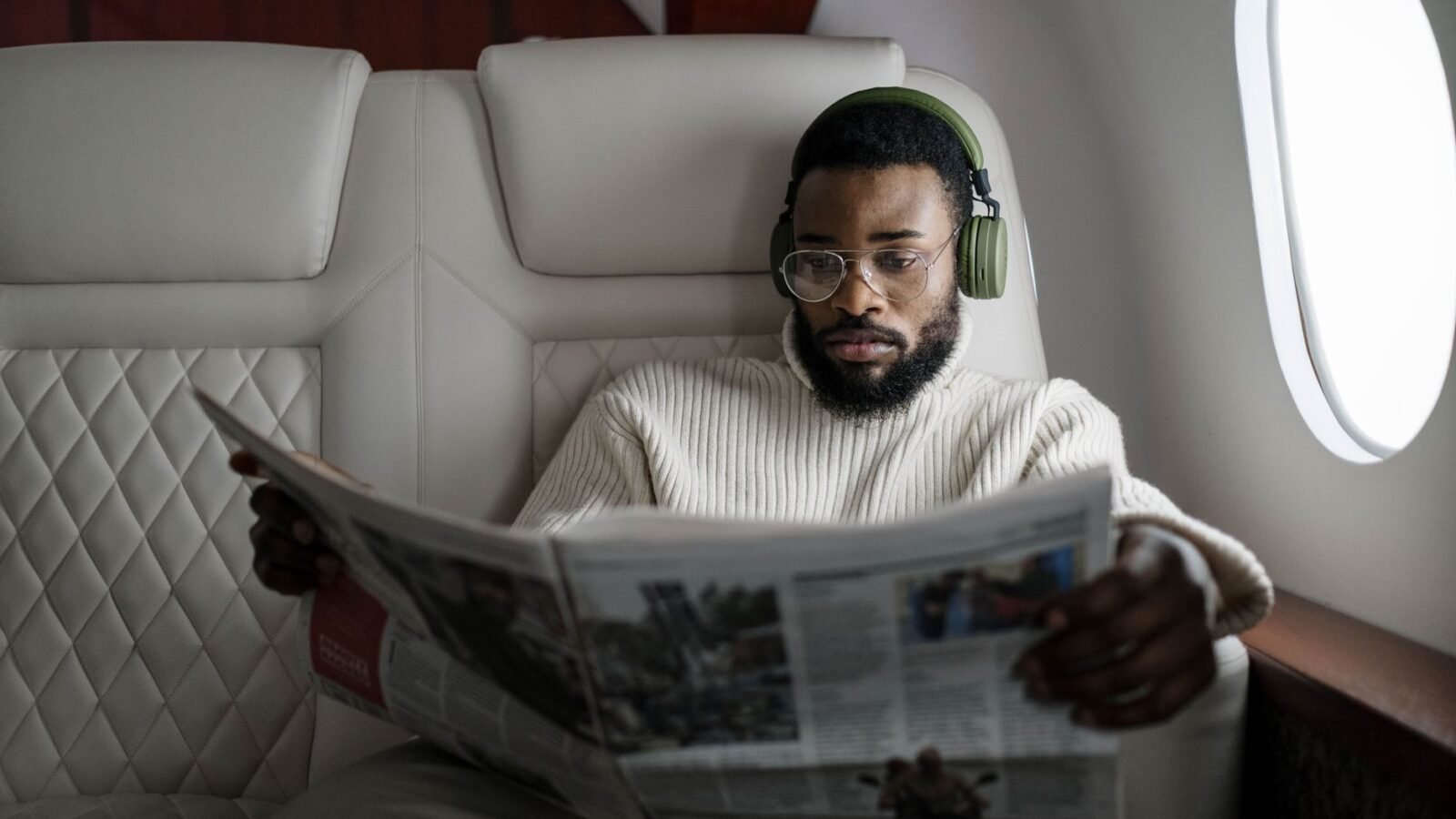
Long-haul flights are loud in a way most travelers underestimate — a steady drone of engine noise, air circulation, and cabin chatter that sits around 80–85 decibels for hours at a stretch, roughly comparable to standing near heavy traffic. That constant low hum is exhausting on its own, even before jet lag, cramped seating, or a crying baby three rows back enter the picture. Good noise-management gear doesn’t just make a flight more pleasant — it can meaningfully reduce the sensory fatigue that makes you land feeling depleted. This guide isn’t a ranked list of products; it’s a framework for understanding the categories of gear available, so you can decide what’s worth packing for your own travel habits.
Why Cabin Noise Matters More Than You’d Think
Sustained exposure to engine drone and ambient cabin noise contributes to a kind of low-grade fatigue that compounds with dehydration, dry cabin air, and disrupted sleep schedules to create the “wiped out” feeling many travelers associate with long flights. Reducing that noise load — even partially — tends to make it easier to relax, nap, concentrate on a book or film, or simply arrive less frayed.
There isn’t one single solution here, because “noise-cancelling gear” actually covers several different technologies and product categories, each suited to different travel styles, budgets, and comfort preferences. Understanding the categories helps you evaluate options on their merits rather than chasing a brand name.
The Main Categories of Noise-Cancelling Travel Gear

Active noise-cancelling (ANC) headphones
These use microphones and internal processing to generate a sound wave that cancels out consistent, low-frequency ambient noise — exactly the kind of steady engine drone found on planes. ANC headphones from major audio brands are widely used by frequent flyers because they’re especially effective against the low, constant hum of a cabin, though they’re generally less effective against sudden, sharp sounds like a baby crying or a cart bumping past.
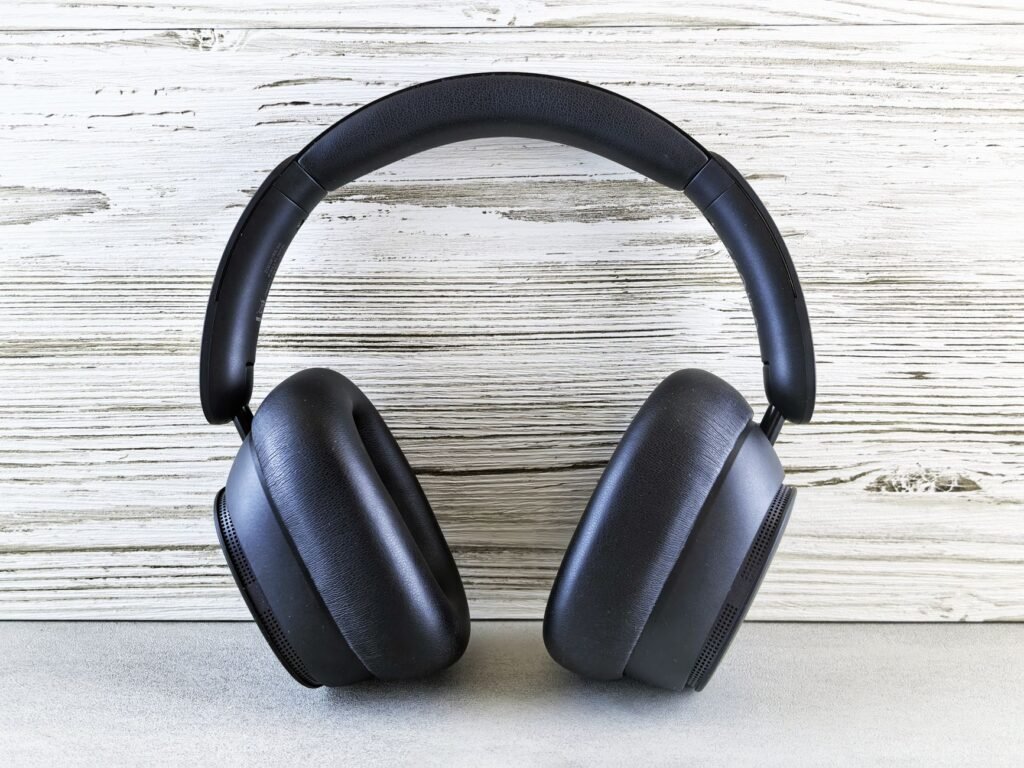
Over-ear designs tend to offer stronger noise cancellation and more comfort for extended wear, though they take up more space in a carry-on and can feel warm on a long flight. On-ear and true wireless earbud designs with ANC have become considerably more capable in recent years, trading a bit of raw noise-cancelling performance for portability and lower profile — a reasonable trade for travelers who prioritize packing light.
Passive noise-isolating earplugs
Foam or silicone earplugs work differently: rather than actively cancelling sound, they physically block sound from reaching your ear canal. They’re inexpensive, don’t require charging, and work well as a low-cost, no-fuss option, particularly for sleeping. Some travelers pair basic earplugs with an eye mask as a minimalist alternative to electronic gear — a setup that costs very little and takes up almost no luggage space.
The trade-off is that passive isolation is generally less effective against low, steady engine noise than true active noise cancellation, and comfort varies a lot person to person — some travelers find foam plugs irritating for hours-long wear.
Hybrid and travel-specific headphone designs
Some headphones combine active noise cancellation with adjustable transparency modes, letting you dial cancellation up during nap time and down when you want to hear flight announcements or chat with a seatmate. This flexibility is worth considering if you don’t want an all-or-nothing noise experience during a long flight.
Neck pillows and travel pillows with sound-dampening or blackout features
While not “noise-cancelling” in the technical sense, several travel pillow designs now integrate built-in eye masks, ear coverage, or a hood-like shape that combines light-blocking with a degree of sound dampening. These can be a reasonable complement to earplugs or ANC headphones, particularly for travelers who struggle to sleep upright.
White noise or masking apps
Rather than blocking sound, some travelers use a phone app or downloaded audio track that plays consistent white or brown noise through headphones, effectively masking cabin noise rather than cancelling it. This can work well paired with basic (non-ANC) headphones or earbuds, and it’s a low-cost option if you already own headphones but not a dedicated ANC pair.
A Framework for Choosing What’s Right for You
Instead of asking “what’s the best noise-cancelling headphones,” it’s more useful to ask a few questions about your own travel habits:
- How often do you fly long-haul? Frequent long-haul travelers often find a dedicated pair of ANC headphones pays for itself in comfort over many trips, while occasional travelers might get most of the benefit from a simpler, less expensive setup.
- Do you prioritize sleep or entertainment on flights? If sleep is your main goal, compact in-ear options or simple earplugs paired with an eye mask might suit you better than bulky over-ear headphones. If you plan to watch films or work, over-ear ANC headphones with good sound quality may be worth the extra bulk.
- How much carry-on space and weight can you spare? Over-ear headphones take up meaningful case space; earplugs take up almost none. If you’re traveling with minimal luggage, that trade-off matters.
- Do you need to stay alert to announcements or a travel companion? Transparency-mode headphones or a lower level of noise isolation might serve you better than maximum-strength cancellation.
- Is battery life or charging a concern? Passive gear like foam earplugs never needs charging, which matters on very long, multi-leg itineraries where outlets aren’t always available.
Thinking About Value Without Chasing Price Tags
It’s worth thinking about noise-cancelling gear as an investment tied to how you actually travel, rather than a category where more spending automatically means a better outcome. A frequent long-haul traveler who flies internationally several times a year will get considerably more cumulative use — and arguably more benefit — out of a well-fitted, durable pair of headphones than someone who takes one long trip every few years. For the latter, a more modest setup, or even borrowing a pair from a frequent-flyer friend, might make more practical sense than buying premium gear that will mostly sit in a drawer.
Rather than comparing specific price points (which change constantly and vary by region and sales cycles), it’s more useful to weigh a few durable questions: How many hours of use will this realistically see per year? Does it need to double as gear for daily commuting or work calls, or is it purely for travel? Would a mid-tier option with good reviews for long-wear comfort serve just as well as a flagship model? These questions tend to lead to a more satisfying purchase than starting from “what’s the top-rated option” alone.
Caring for and Maintaining Your Gear
Noise-cancelling electronics are more delicate than a basic pair of earplugs, and a bit of care extends their usefulness considerably. Store headphones in a hard case when packed in a bag with other items, since crushing damage is one of the more common causes of premature failure. Clean ear cushions and ear tips periodically — both for hygiene and because buildup can subtly affect the seal that passive isolation depends on.
Battery health also matters more on long international trips than on daily commutes. Charging to a partial level rather than always running a battery down to empty is generally better for long-term battery lifespan, and bringing the original charging cable (rather than assuming a universal one will be available or compatible) avoids an unnecessary scramble at the airport.
Airline and Security Considerations
Most noise-cancelling headphones and earbuds travel through airport security without any special handling, since they’re treated like any other small electronics. It’s worth knowing, however, that battery-powered devices are generally expected to travel in carry-on luggage rather than checked bags, largely due to airline policies around lithium batteries — a rule that applies to headphones just as it does to laptops and portable chargers. Packing your gear in your personal item or carry-on, rather than a checked suitcase, avoids this issue entirely and also means it’s accessible for use during a layover.
Practical Tips
- Test comfort before your trip, not during it. Wear any new headphones or earplugs around the house for an hour or two beforehand — discomfort that’s minor on a short test can become genuinely distracting over an eight-hour flight.
- Pack a low-tech backup. A cheap pair of foam earplugs as backup is worth the negligible weight, in case your electronic gear runs out of battery or malfunctions mid-flight.
- Charge everything the night before a long-haul flight, and consider a portable charger if your itinerary includes a long layover or connecting flight.
- Bring your own headphones rather than relying on the airline’s. In-seat headphones on most airlines offer minimal noise isolation and inconsistent audio quality.
- Consider ear comfort over multiple hours, not just sound quality. Some ANC headphones that sound excellent in a short store trial become uncomfortable after four or five hours of continuous wear — read reviews that specifically mention long-wear comfort.
- If traveling with a partner or family, a shared understanding of “quiet time” gear (like an agreed nap window) can be just as useful as the gear itself.
Common Mistakes to Avoid
- Assuming ANC eliminates all sound. It’s most effective against steady, low-frequency noise like engine drone — not sudden sounds like conversation or a crying child nearby.
- Buying new gear the morning of a flight. Unfamiliar fit or an uncharged battery can undermine the entire point of bringing it.
- Overlooking simple, cheap solutions. Foam earplugs and an eye mask solve a surprising amount of the problem for a fraction of the cost and bulk of premium electronics.
- Ignoring long-wear comfort in favor of specs. A headphone with excellent cancellation but a tight clamp can become uncomfortable well before landing.
- Forgetting a charging cable or backup battery, which can turn expensive gear into dead weight mid-flight.
- Wearing new in-ear tips without testing sizes. Many earbuds come with multiple ear tip sizes — using the wrong size undermines both comfort and passive isolation.
- Packing gear in checked luggage. Beyond the risk of damage, battery-powered electronics are generally expected to stay in carry-on bags under most airline policies, and checking them can also mean losing access during a layover when you might want them most.
FAQ
Do noise-cancelling headphones actually make jet lag better? Not directly — jet lag is primarily driven by light exposure and sleep timing, not noise. However, better rest quality on the flight (which quieter gear can support) may leave you feeling less generally depleted on arrival, which is a related but separate benefit.
Are expensive ANC headphones worth it for occasional flyers? That depends on your travel frequency and priorities. Frequent long-haul travelers often report the comfort and noise reduction pay off over time, while occasional flyers may find simpler, less expensive options like earplugs meet their needs just as well.
Can I use noise-cancelling headphones during takeoff and landing? Most airlines allow personal headphones throughout the flight, including takeoff and landing, as long as devices are in airplane mode where required. Specific airline policies can vary, so it’s worth checking with your carrier if you’re uncertain.
Is it better to buy over-ear or in-ear noise-cancelling headphones for travel? It depends on your priorities: over-ear designs generally offer stronger passive isolation and cancellation plus more comfortable extended wear for some travelers, while in-ear designs are more compact and easier to pack. Neither is objectively “better” — it’s a trade-off between performance and portability.
Do noise-cancelling earbuds work as well as over-ear headphones? Modern ANC earbuds have improved significantly and can perform well against steady cabin noise, though many travelers still find over-ear designs offer somewhat stronger isolation and more comfortable multi-hour wear. Individual ear shape and preference play a large role here.
Is it worth bringing both earplugs and headphones? For long-haul or overnight flights, many experienced travelers do pack both — headphones for entertainment and daytime segments, simple earplugs as a lightweight backup for sleep or in case of battery issues.
Can noise-cancelling headphones cause discomfort or ear fatigue on long flights? Some travelers report mild pressure or warmth from over-ear designs during extended wear, particularly with a tight headband clamp or with glasses creating pressure points along the seal. This varies significantly by individual head shape and the specific headphone design, which is part of why testing comfort before a long trip matters more than specifications on a box.
Do I need different gear for a ten-hour flight versus a three-hour flight? Not necessarily different gear, but your priorities might shift. On a shorter flight, comfort and quick setup matter more than maximizing every hour of noise reduction; on a longer flight, long-wear comfort and battery life become more central to the decision.
Where to Go From Here
Rather than chasing the “best” noise-cancelling product on the market, think about the specific flight ahead of you — how long it is, whether you plan to sleep or stay entertained, and how much space you have to pack. Matching the gear category to your actual travel habits will do more for your comfort than any single brand name.
Related Travytour guides
- Travytour Trip Budget Calculator
- All Travytour Travel Guides
- How to Avoid Jet Lag on Long-Haul Flights: A Practical, Science-Aware Guide
Keep planning
- More Global Travel guides on Travytour
- Estimate your own trip cost with the Travytour budget calculator
- Browse all Travytour travel guides