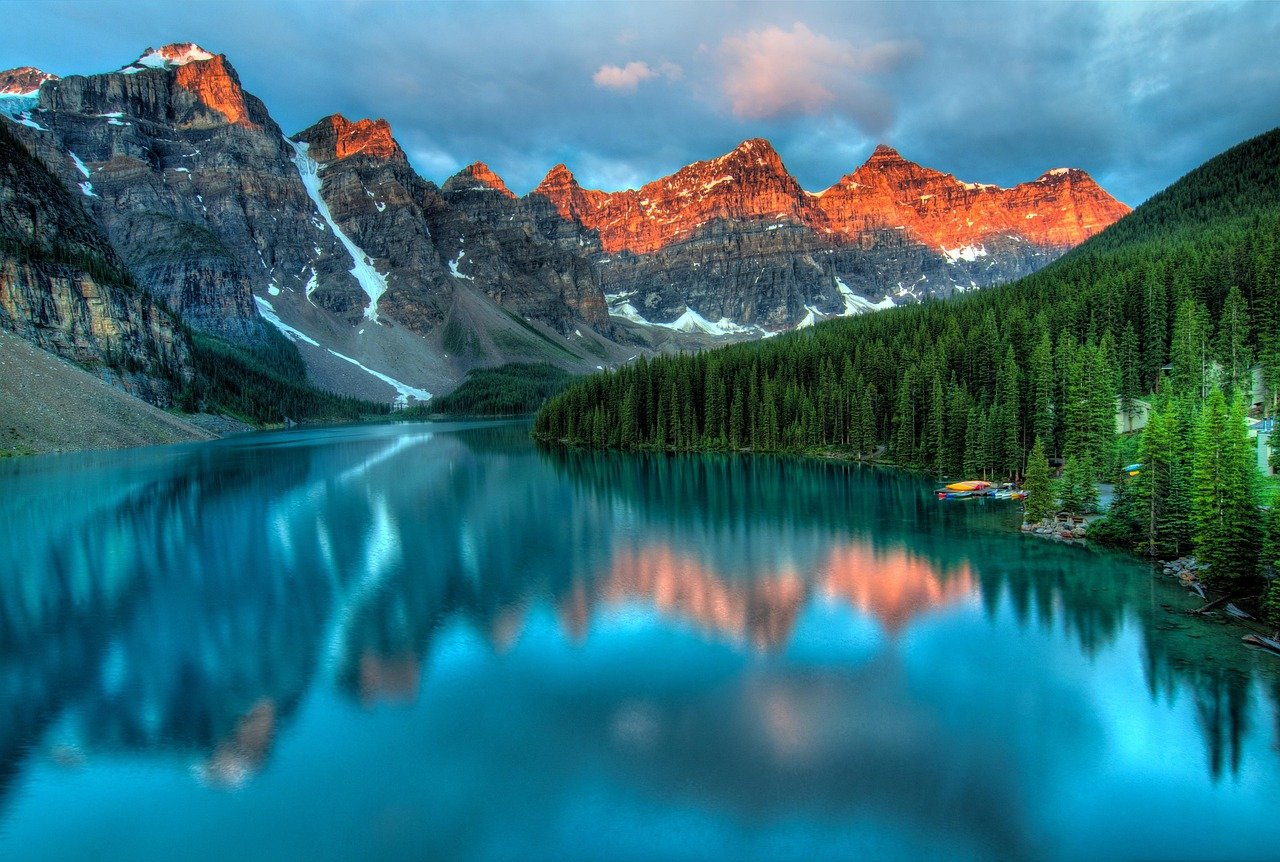
Banff and Jasper sit less than four hours apart along one of the most scenic drives in North America, yet they’ve developed distinctly different reputations. Banff is the more famous, more visited, and more built-up of the two; Jasper is quieter, larger in raw square footage, and known for its dark skies. For a short trip — three to five days — visiting both properly is a stretch, so this comparison looks at what each park actually offers, what’s changed recently, and which one fits different kinds of travelers.
Why this decision matters more than it might seem
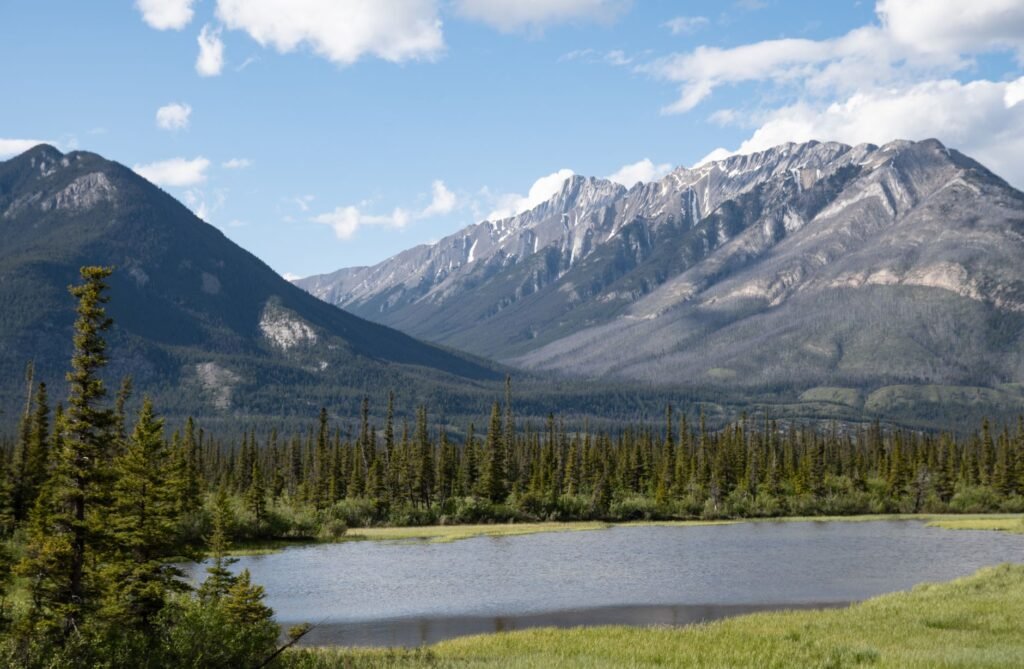
Banff and Jasper are both part of the same UNESCO World Heritage Site (the Canadian Rocky Mountain Parks) and share similar terrain — glacier-fed lakes, dramatic peaks, and abundant wildlife. But the experience of visiting each is genuinely different. Banff’s proximity to Calgary and its concentration of famous sights (Lake Louise, Moraine Lake, the Banff Gondola) makes it more accessible but also considerably more crowded, especially in summer. Jasper is more remote, less developed, and has a reputation for a slower, wilder feel — though it’s important to know that Jasper’s townsite suffered substantial damage from a major wildfire in July 2024, and the current state of rebuilding and visitor services should be confirmed directly before finalizing a trip built around staying there.
Best time to go
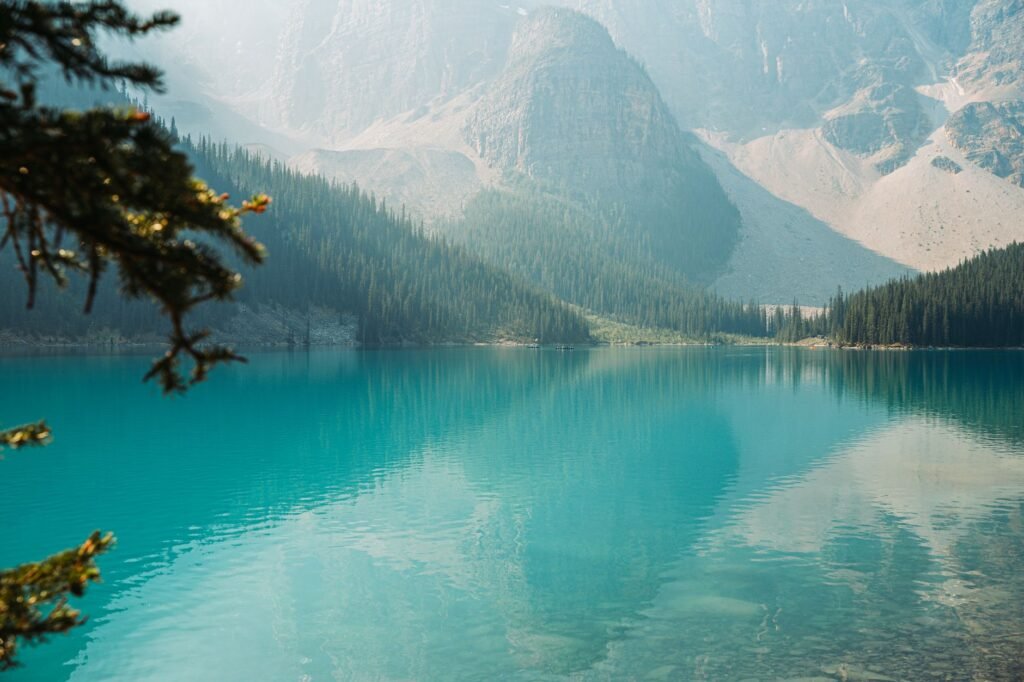
Summer (late June through early September) is peak season for both parks, when all facilities, shuttle systems, and high-elevation trails are typically open and accessible. This is also when the Canada Strong Pass offers free park admission across Parks Canada sites for a defined window in 2026 (June 19 through September 7), which affects both parks’ entrance costs during that period. Shoulder seasons (late May, September, and early October) bring noticeably smaller crowds and often clearer photography conditions, with most main attractions still accessible. Winter transforms both parks into a different kind of destination — Banff leans into skiing at its three nearby resorts, while Jasper’s dark sky preserve (one of the largest accessible ones in the world) becomes a genuine draw for stargazing, though many facilities scale back and driving conditions demand more caution.
How to get there
Banff has the clearer advantage here: Calgary International Airport sits roughly 1.5 hours from Banff townsite by car or shuttle, making it the more convenient starting point for most international travelers. Jasper is considerably less direct — Edmonton International Airport is roughly 4 hours away by car, and there’s no major airport closer. An alternative is flying into Calgary and driving the Icefields Parkway (roughly 230 km/144 miles, about 3-4 hours without stops, though most visitors treat it as a half-day or full-day scenic drive with frequent pull-offs) directly from Banff to Jasper. VIA Rail and the higher-end Rocky Mountaineer tourist train also connect to Jasper, offering a scenic alternative to driving.
For a short trip, this access difference alone often decides the question: if your time is genuinely limited, Banff’s shorter airport transfer preserves more days for actually being in the park.
A realistic USD budget
Both parks use Parks Canada admission rules. Regular fees resume September 8, 2026 after the Canada Strong Pass summer window; the published adult daily fee is CAD $12.25 (around $9 USD depending on exchange rate), with a family/group rate of about $24.50 CAD. An annual Discovery Pass, covering all Parks Canada sites, costs about $83.50 CAD per adult — worth considering if visiting both parks or combining with other Canadian national parks in the same year.
Budget tier (roughly $130-180/day per person): Camping or hostel-style lodging, self-catered meals, and standard park admission. Camping fees within the parks range from roughly $22-55 CAD per night depending on the campground and services.
Mid-range tier (roughly $220-320/day per person): A comfortable hotel in Banff, Canmore, or Jasper townsite, a mix of restaurant and grocery meals, and one or two paid activities like the Banff Gondola or a guided wildlife tour.
Upscale tier ($400+/day per person): Historic resort properties (such as the well-known Fairmont lodges in both parks), fine dining, and private guided experiences. Note that Lake Louise’s lakeshore day-use parking alone runs about $42 CAD per vehicle per day in peak season, an example of how quickly incidental costs can add up around the most photographed sites.
What each park actually offers
Banff’s strengths: The concentration of internationally famous sights — Lake Louise, Moraine Lake, Johnston Canyon, the Banff Gondola up Sulphur Mountain, and the town of Banff itself with its dense mix of shops, restaurants, and the Banff Upper Hot Springs. Banff townsite has real infrastructure: a walkable downtown, a wide range of dining, and easy access to nearby Canmore for additional lodging options. The trade-off is crowding — Lake Louise and Moraine Lake both restrict private vehicle access during peak season, requiring a shuttle or very early arrival, and parking throughout the Bow Valley corridor fills quickly in summer.
Jasper’s strengths: A larger, wilder park by area, with a reputation for better wildlife-viewing odds and considerably lighter crowds than Banff, even in summer. Maligne Lake and Spirit Island, the Jasper SkyTram, and Miette Hot Springs are the region’s signature draws, and its Dark Sky Preserve status makes it one of the better accessible stargazing destinations in North America. The 2024 wildfire is the significant caveat here — it caused substantial damage to the townsite, and while recovery efforts have been ongoing, the current capacity for lodging, dining, and general visitor services should be verified directly before building a trip around Jasper as a base.
If you only have 3-5 days: which to prioritize
For most short-trip travelers flying internationally through Calgary, Banff is the more practical choice — the shorter airport transfer, denser concentration of iconic sights, and more predictable visitor infrastructure make it easier to have a satisfying trip without losing a full day to driving. Three to four days is enough to see Lake Louise, Moraine Lake, and one or two additional hikes or gondola rides without feeling rushed, provided lodging and shuttle reservations (where required) are booked well in advance.
Jasper becomes the priority for travelers specifically seeking a quieter, less-crowded Rockies experience, strong wildlife-viewing odds, or dark-sky stargazing, and who have confirmed current visitor services are operating at a level that supports their trip. It’s also the natural choice for travelers who already plan to fly into Edmonton rather than Calgary.
If time allows five or more days, driving the Icefields Parkway between the two — stopping at the Columbia Icefield and Athabasca Falls along the way — lets you experience both without feeling like either visit was rushed. Compressing both into a 3-4 day trip usually means neither park gets the time it deserves.
Where to stay
In Banff: Banff townsite offers the most walkable, amenity-dense base, though it’s also the busiest. Canmore, roughly 20 minutes outside the park boundary, offers a quieter, often more affordable alternative with easy access into Banff. Lake Louise village, right by the lake itself, minimizes early-morning driving for that specific area but has far fewer dining and lodging options than Banff townsite.
In Jasper: Jasper townsite is the natural base for the park, historically offering a quieter, less commercial feel than Banff townsite even before the 2024 wildfire — current lodging capacity should be confirmed given the townsite’s recovery status.
Common mistakes to avoid
Underestimating shuttle and parking reservation requirements at Lake Louise and Moraine Lake is one of the most common planning errors — both sites restrict private vehicle access during peak season, and shuttle capacity fills up, so book ahead rather than assuming you can drive up and park. Treating the Icefields Parkway as a quick 3-hour transfer rather than the scenic destination it is leads to a rushed, unsatisfying drive — budget a half or full day if possible. Finally, assuming Jasper’s visitor infrastructure is unaffected by the 2024 wildfire without checking current status could lead to booking disappointments; confirm directly before finalizing plans centered on Jasper.
FAQ
Is Banff or Jasper better for a first-time visitor? Banff, generally, due to easier access from Calgary and a denser concentration of internationally recognizable sights within a shorter drive of each other.
Which park has better wildlife viewing? Jasper has a strong reputation for wildlife encounters given its larger, less-developed area, though both parks offer real opportunities, particularly along quieter stretches of road at dawn and dusk.
Do I need a reservation to visit Lake Louise or Moraine Lake? During peak season, yes, typically — private vehicle access to both is restricted, requiring either a shuttle reservation or arrival before very early morning cutoffs. Confirm the current season’s specific system before your trip.
How long does the drive between Banff and Jasper take? Roughly 3-4 hours without stops along the Icefields Parkway, though most visitors treat it as a half-day or full-day scenic drive given the number of worthwhile viewpoints along the way.
Has Jasper recovered from the 2024 wildfire? The townsite suffered substantial damage in July 2024, and rebuilding has been an ongoing, multi-year process.
Is one park cheaper to visit than the other? Park admission fees are identical, since both operate under the same Parks Canada fee schedule. Overall trip cost differences come down more to lodging choice and how far you’re flying to reach each park’s nearest airport.
Next Step
Match your choice to your actual time budget: if you have three to four days and are flying into Calgary, Banff makes the most of the time you have. If you have five or more days, or already have a reason to fly into Edmonton, the full Banff-to-Jasper drive is worth the extra planning — just confirm Jasper’s current visitor services first.