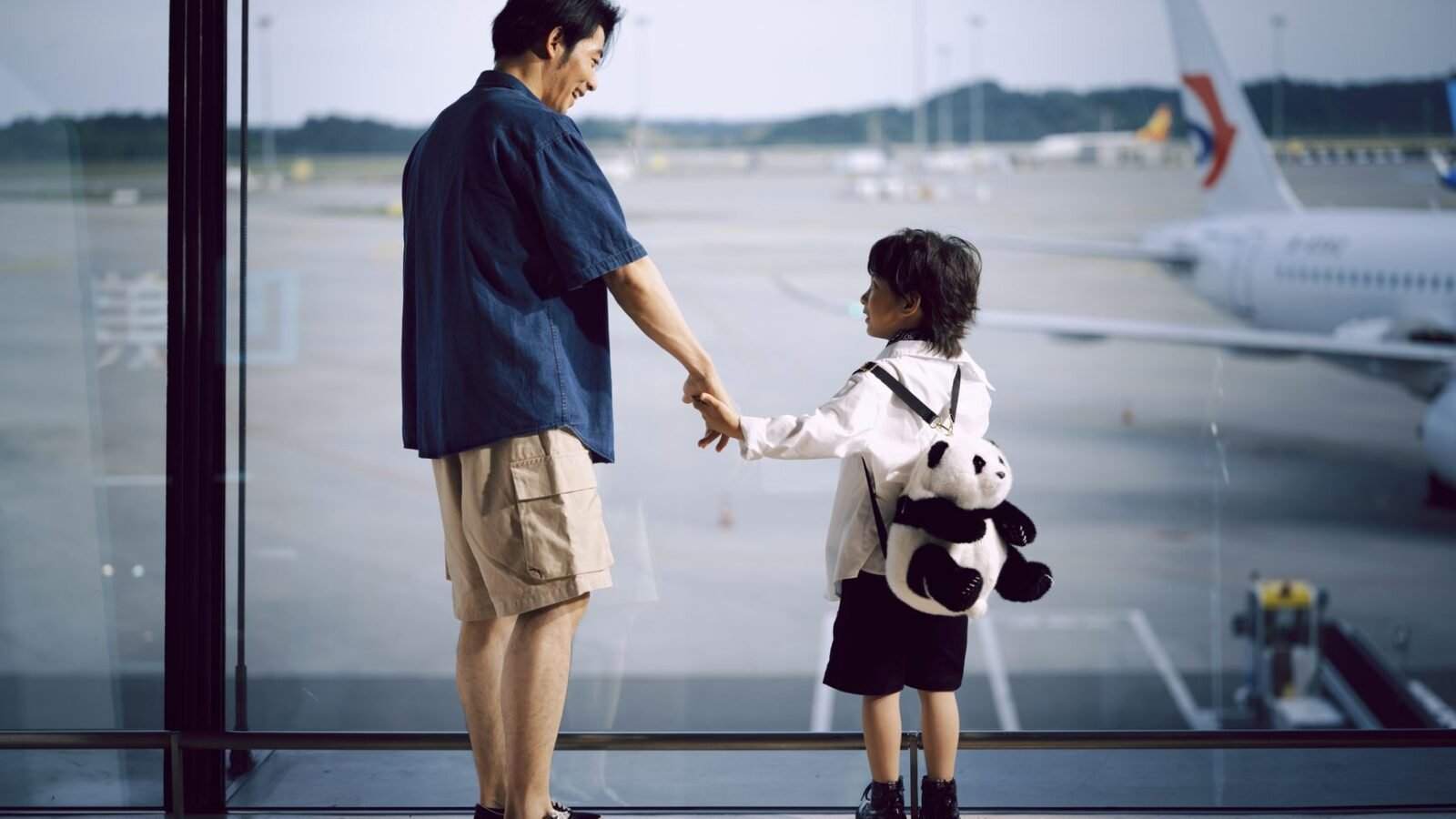
Somewhere between the newborn stage, when babies mostly sleep through flights, and the school-age years, when kids can entertain themselves, sits the toddler stage — widely considered the most physically demanding age to travel internationally with a child. Toddlers are mobile, opinionated, prone to meltdowns on a schedule only they understand, and no longer content to be held for ten hours straight. None of that means international travel is off the table. It means the planning looks different than it did with a baby, and going in with realistic expectations changes the entire experience. Here’s what actually helps.
Why Toddler Travel Is Its Own Category

Airlines, pediatricians, and experienced parents tend to agree that ages one to three present a particular travel challenge. Toddlers are too big to be easily contained but too young to understand instructions like “just twenty more minutes.” They’re also at a developmental stage where routine disruption — new time zones, unfamiliar food, missed naps — can trigger bigger behavioral reactions than it would in either a younger baby or an older child. Recognizing this isn’t a reason to avoid travel; it’s a reason to plan specifically for this stage rather than reusing an infant-travel checklist or assuming an older-kid approach will work.
Documents and Entry Requirements: Start Here
Every country sets its own entry requirements for minors, and these are the details most likely to derail a trip if missed.
Passports are required for infants and toddlers on international travel, including for children who don’t yet have their own seat. This is a firm rule for essentially all international destinations — there is no “lap infant” exception for passport requirements the way there sometimes is for airfare. Apply well in advance, since passport processing times for minors can run longer during peak travel seasons, and passport photos for infants and toddlers often require a few attempts to meet official standards.
Some countries require additional documentation for minors traveling internationally, particularly if a child is traveling with only one parent, with grandparents, or without both legal guardians present. This can include a notarized parental consent letter or, in some countries, a specific minor travel affidavit. Requirements vary significantly by destination and by the child’s citizenship, and they are the kind of detail that changes without much notice.
Airline policies on lap children and seat purchases also vary by carrier and by route (domestic versus international), including the age cutoff for “lap infant” fares, whether a seat must be purchased once a child turns two, and whether a car seat is required or merely permitted in a purchased seat.
Build in extra time for all of this. Passport applications, visa requirements (if applicable), and any consent documentation should be sorted well before you book flights, not squeezed in during the weeks before departure.
A Step-by-Step Planning Approach
Book with the toddler’s schedule in mind, not just the cheapest fare. Flights that align with nap time or overnight sleep hours tend to go more smoothly than flights that fight against a toddler’s natural rhythm. This is worth a modest fare premium if it’s available.
Decide early whether to purchase a seat. Even when an airline allows a lap child at a reduced or no fare, many parents traveling internationally with a toddler find that purchasing a separate seat — and using an FAA-approved car seat — makes the flight meaningfully more manageable, since it gives the child their own contained space rather than requiring them to sit on a lap for the full duration. This is a genuine cost-versus-comfort trade-off worth weighing against your specific child’s temperament and the flight length.
Pack a dedicated “flight bag” separate from the rest of your luggage. This should be reachable at all times and stocked independently of checked or overhead bags, since you often can’t access those mid-flight.
Plan for time zone adjustment before you leave, not just after you arrive. Gradually shifting a toddler’s nap and bedtime schedule by small increments in the days before departure can soften the adjustment on the other end, particularly for larger time zone shifts.
Build buffer time into every transition. Airport connections, immigration lines, and stroller navigation all take longer with a toddler than they did when you traveled without one. A connection that would be comfortable solo can become a stressful sprint with a child in tow.
Research car seat and stroller logistics at your destination before you arrive, including whether your destination requires car seats for taxis or rideshares (rules vary significantly by country) and whether your stroller will be practical on the ground — cobblestone streets and stairs-only metro stations are common realities in many international cities.
Actionable Tips for Travel Day
- Pack more snacks than seems necessary. Toddlers eat unpredictably under stress, and airport food options aren’t always toddler-friendly or available when needed.
- Bring a mix of familiar and novel items. A favorite comfort object provides stability; a few new small toys or activities (unwrapped one at a time during the flight) provide fresh distraction when familiar ones lose their appeal.
- Pack at least one full change of clothes for the child — and one for yourself. Spills and diaper incidents happen, and having a backup for both of you avoids a miserable remainder of the flight.
- Use boarding priority for families if offered, but also consider boarding as late as reasonably possible instead — less confined time on the plane before takeoff can mean a calmer toddler, depending on your child’s temperament.
- Bring ear protection for takeoff and landing, such as a bottle, pacifier, or snack that encourages swallowing, which helps equalize ear pressure and can reduce discomfort-driven crying.
- Set expectations with fellow passengers realistically, not apologetically. A brief, friendly acknowledgment goes further than an anxious pre-emptive apology, and most fellow travelers are more understanding than parents expect.
- Research destination-specific realities before you go — stroller accessibility, availability of formula or diapers if you’d rather buy locally than pack, and typical toddler-friendly food options.
Common Mistakes to Avoid
Underestimating document lead time. Passport and consent-document processing can take weeks longer than expected, especially during high season. Start this the moment travel is a real possibility, not once flights are booked.
Overpacking activities and underpacking practical basics. Snacks, a change of clothes, and basic medication (fever reducer, motion sickness remedy if age-appropriate) matter more on a hard travel day than a bag full of toys.
Scheduling too much on arrival day. Jumping straight into sightseeing after a long-haul flight rarely goes well with a jet-lagged toddler. Build a low-key first day or two into the itinerary.
Assuming a lap-child fare is automatically the easier choice. For many families, purchasing a seat and using a car seat significantly reduces flight stress, even at extra cost.
Not researching entry document requirements early enough. Missing a required consent letter or affidavit at the border is one of the few travel mistakes that can genuinely derail a trip on the day of travel — confirm requirements weeks, not days, in advance.
Frequently Asked Questions
Does my toddler need a passport for international travel? Yes. Virtually all international destinations require a passport for travelers of any age, including infants and toddlers, regardless of whether they occupy their own airline seat.
Can a toddler fly as a lap child internationally? Many airlines allow lap children up to a certain age on many routes, but policies vary by carrier, route, and sometimes by specific fare class. Confirm current policy directly with your airline before booking, since age cutoffs and any associated fare do change.
Do I need permission documents if I’m traveling alone with my toddler? Possibly, depending on the destination and your family’s specific situation (single parent traveling, traveling with one parent while the other stays home, traveling with grandparents, etc.). Requirements vary by country and are worth confirming directly with the destination’s embassy or consulate well before departure.
Should I bring my own car seat, or rent one at the destination? This depends on your airline’s checked-baggage policy for car seats, your destination’s car seat availability and laws, and your toddler’s comfort with an unfamiliar seat. Many parents find that a lightweight, airline-approved car seat that travels with them is worth the extra bag.
What’s the best flight time for a toddler on a long-haul international trip? Flights that align with your toddler’s normal sleep window tend to go more smoothly than flights during peak wake hours, though this isn’t guaranteed — pack for both scenarios regardless of scheduled timing.
How much extra time should I build into airport connections with a toddler? More than you think. Stroller logistics, extra security screening time, and simply moving at a toddler’s pace all add up. A connection window that felt comfortable pre-toddler often feels tight afterward.
Where to Go From Here
International travel with a toddler asks more of the planning stage than the trip itself often turns out to warrant — most families find that a well-prepared travel day, even with a few rough patches, is entirely manageable. Start with the documents, since they carry the least flexibility, and build the rest of the plan around your child’s actual routine rather than an idealized one.
Related Travytour guides
- Travytour Trip Budget Calculator
- All Travytour Travel Guides
- Solo Female Travel Safety Tips for First-Time International Trips
Keep planning
- More Global Travel guides on Travytour
- Estimate your own trip cost with the Travytour budget calculator
- Browse all Travytour travel guides