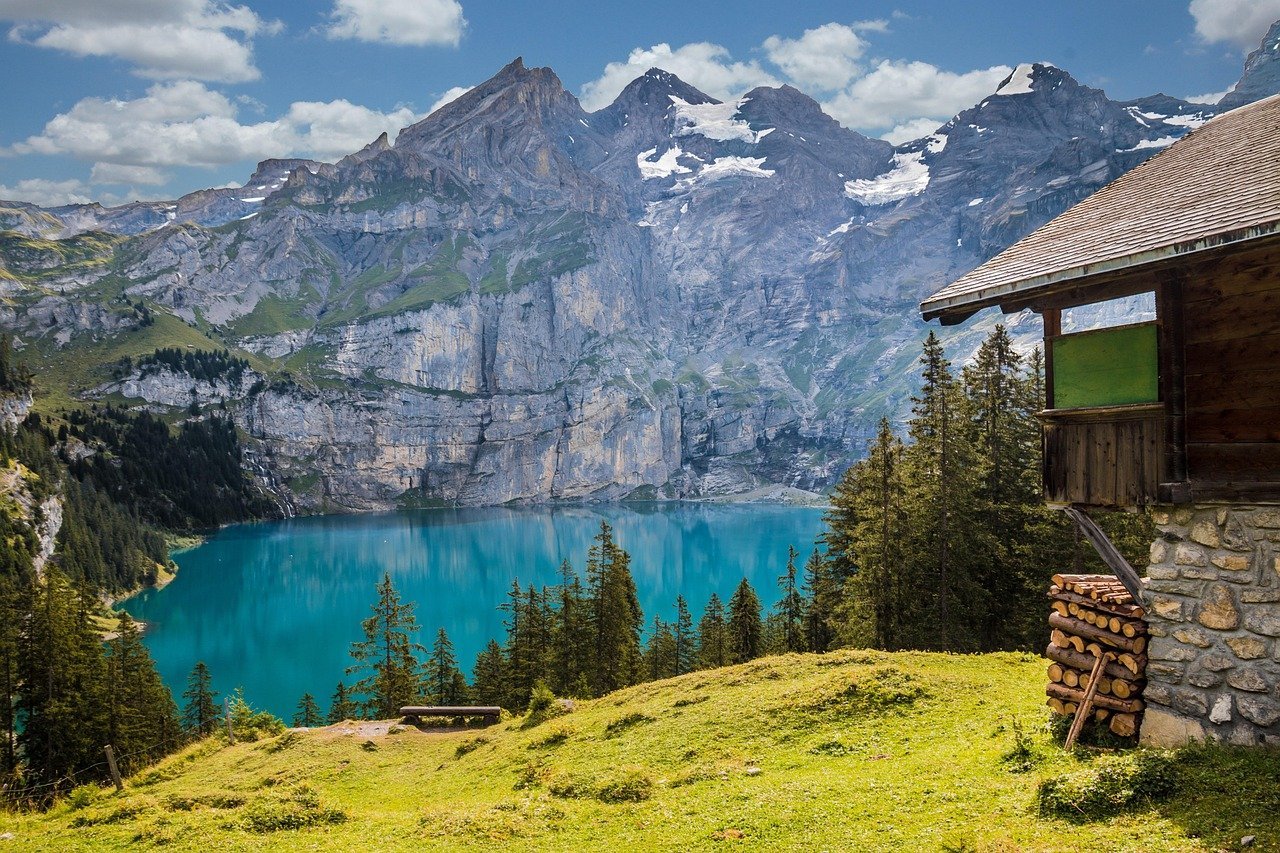
Lake Atitlan looks, at first glance, like a single postcard-worthy destination ringed by three volcanoes. In practice, it’s a string of a dozen or so distinct villages, each with its own access point, culture, and pace, connected mostly by small boats rather than roads. Choosing where to base yourself matters more here than at most lake destinations, because the village you pick shapes your entire trip — one is a transit hub with restaurant variety, another is a wellness retreat scene, another is reachable only by water and has no real nightlife at all. This guide compares the main villages honestly, including their drawbacks, so you can match your stay to how you actually like to travel rather than to whichever name comes up most in search results.
Why the Village You Choose Matters More Than “Lake Atitlan” as a Whole

Most guides talk about Lake Atitlan as a single unit, but staying in the wrong village for your travel style is a common and avoidable mistake. Panajachel and San Pedro La Laguna are worlds apart in atmosphere despite being a twenty-minute boat ride from each other. San Marcos draws a specific wellness-and-retreat crowd that won’t appeal to travelers wanting restaurants and nightlife, and villages like Santa Cruz and Jaibalito have no road access at all, meaning your entire logistics — including late arrivals or heavy luggage — need to route through the public boat system.
The honest trade-off across the board: Lake Atitlan is beautiful and increasingly popular, but infrastructure varies enormously by village, ATMs and reliable Wi-Fi aren’t universal, and getting between villages after dark on the water can be genuinely uncomfortable in poor weather. None of this should discourage a visit — it should inform which village you pick.
Best Time to Go

Guatemala’s dry season, roughly November through April, is the most reliable window for Lake Atitlan, with clearer skies and calmer water for boat travel. The rainy season, May through October, brings afternoon storms that can make the lake choppy and boat crossings less pleasant, particularly during a wind pattern locally known as the “Xocomil,” which typically picks up in the early afternoon and can make later-day boat travel rougher. Planning boat crossings for the morning, regardless of season, is a widely recommended practice.
Getting There and Getting Around
Most travelers reach Lake Atitlan via Guatemala City, either by shuttle (roughly three to four hours by road) or a private transfer. Panajachel is the most common entry point and functions as the lake’s transit hub, with public and tourist boats (“lanchas”) departing regularly to the other villages around the lake.
Once on the lake, boats are the primary way to get around — most villages other than Panajachel and a few others have limited or no road access from the highway side. Public lanchas run fixed routes at set fares and can be crowded; private boats can be chartered for more flexibility and comfort at a higher cost.
Realistic USD Budget Estimate (current)
**Budget tier (roughly $30–55/day per person):** Hostel dorms or simple guesthouses, public lancha transport, casual comedores (local eateries) and street food.
**Mid-range tier (roughly $70–130/day per person):** Comfortable boutique guesthouses or small hotels, occasional private boat charters, a mix of local and traveler-oriented restaurants.
**Upscale tier (roughly $150–280+/day per person):** Design-forward boutique lodges (particularly around Santa Cruz and parts of San Marcos), private boat transfers, higher-end dining and guided experiences such as volcano hikes or weaving cooperative visits.
Prices at the lake are generally lower than in Antigua or Guatemala City, though the more design-oriented boutique properties around Santa Cruz and San Marcos have pushed upscale pricing noticeably higher in recent years.
Village-by-Village Comparison
Panajachel — Best for First-Timers and Convenience
Panajachel (“Pana”) is the lake’s main transport hub and its most developed village, with the widest range of restaurants, ATMs, pharmacies, and tour operators. It’s the easiest village to reach directly by shuttle from Guatemala City or Antigua, and the best base if you want to day-trip to several other villages without committing to any one of them.
The trade-off: Panajachel is also the least distinctly “lake village” feeling of the options here — it has a busier, more commercial main street (Calle Santander) geared toward tourists, and some travelers find it lacks the charm of the smaller villages. It’s a sensible first or last night base, less compelling as your only stop.
**Best for:** first-time visitors, travelers who want reliable infrastructure, those using it as a transit base for day trips.
San Pedro La Laguna — Best for Budget Travelers and a Livelier Scene
San Pedro is Lake Atitlan’s backpacker hub, known for Spanish language schools, a livelier bar and restaurant scene, and generally the lake’s most affordable accommodation. It has real infrastructure — reliable Wi-Fi in most guesthouses, a good range of eateries, and easy boat connections to nearby villages.
The trade-off: San Pedro’s energy skews younger and more nightlife-oriented than the rest of the lake, which won’t suit travelers seeking quiet or a wellness-focused stay. Some parts of the village have also grown fairly built-up compared to a decade ago.
**Best for:** budget-conscious travelers, language-school students, younger travelers or groups wanting some nightlife alongside lake scenery.
San Marcos La Laguna — Best for Wellness and Slow Travel
San Marcos has developed into the lake’s dedicated wellness and retreat village, with a concentration of yoga studios, meditation centers, and holistic-focused guesthouses tucked into dense, jungle-like vegetation right along the shoreline. It’s compact, walkable, and genuinely peaceful in a way few other villages match.
The trade-off: San Marcos has very little in the way of conventional nightlife or restaurant variety outside its retreat-focused offerings, and its specific atmosphere — sound baths, cacao ceremonies, silent retreats — won’t appeal to every traveler. It can also feel a little insular if wellness culture isn’t your interest.
**Best for:** travelers prioritizing yoga, meditation, or a genuine digital-detox stretch of their trip.
Santa Cruz La Laguna — Best for Quiet Boutique Stays and Diving
Santa Cruz is reachable only by boat, with its handful of hotels — several of them upscale, design-forward lodges — built into the steep hillside above the water. It has emerged as a favorite for travelers wanting a quiet, scenic stay with strong hotel-level hospitality, and it’s also a hub for the lake’s small but genuine freshwater diving scene, given Atitlan’s considerable depth.
The trade-off: There’s very little independent village life to wander into — most of what exists here is oriented around the hotels themselves rather than a broader town center, and dining options outside your hotel are limited.
**Best for:** couples or travelers wanting a boutique, resort-like stay with genuine tranquility, plus anyone interested in trying freshwater diving.
Jaibalito — Best for Total Seclusion
The smallest and most remote of the well-known villages, Jaibalito has no road access at all and only a small handful of places to stay, making it the most secluded option on this list.
The trade-off: There’s essentially nothing to do here beyond your accommodation and the surrounding trails — which is precisely the appeal for the right traveler, and a dealbreaker for anyone wanting variety, restaurants, or the option to change plans easily.
**Best for:** travelers who genuinely want to disconnect and don’t mind extremely limited amenities.
San Juan La Laguna — Best for Culture and Craft
San Juan sits just beyond San Pedro but has a markedly different feel: a strong Tz’utujil Maya cultural identity, well-known natural-dye weaving cooperatives, a mural-covered town center, and a noticeably calmer atmosphere than its livelier neighbor. It has become known as one of the better villages for supporting local artisan cooperatives directly.
The trade-off: fewer bars and less traveler-oriented nightlife than San Pedro, and a more modest range of accommodation, though this generally suits the kind of traveler drawn here in the first place.
**Best for:** travelers prioritizing local culture, textiles and weaving cooperatives, and a quieter alternative to San Pedro.
Santa Catarina Palopó and San Antonio Palopó — Best for a Different Angle on the Lake
These two villages sit on the opposite side of the lake from the more traveler-heavy west shore, reachable by road from Panajachel as well as by boat. Santa Catarina Palopó is known for its blue-and-white painted buildings and has attracted a wave of newer boutique hotel investment in recent years; San Antonio Palopó is known for pottery and a more traditional, workaday village feel.
The trade-off: both have less established traveler infrastructure than the west-shore villages, meaning fewer restaurant choices and less English spoken.
**Best for:** travelers wanting a quieter, more local-feeling base with striking visual character, particularly Santa Catarina Palopó’s painted streets.
How to Choose: A Quick Framework
If you want one base with everything nearby, choose Panajachel. If budget and some nightlife matter most, choose San Pedro. If your trip is built around wellness, choose San Marcos. If you want a quiet, upscale, low-effort stay, choose Santa Cruz. If cultural depth matters more than amenities, choose San Juan. Many travelers with more than three or four days end up splitting their stay across two villages — commonly Panajachel or San Pedro for logistics, paired with San Marcos or Santa Cruz for a quieter second stretch.
What to Pack Regardless of Village
Lake Atitlan’s elevation means cooler evenings than travelers often expect from a “tropical” itinerary — a light jacket or fleece is genuinely useful for evenings, particularly in the December-to-February stretch of dry season. Sturdy, closed-toe shoes matter more than sandals for most villages, since streets are frequently cobbled, unpaved, or steep. A dry bag or waterproof cover for electronics is worth having for boat crossings, since lancha spray can be significant even on calmer days, and a poncho or light rain layer is sensible during rainy season crossings.
Cash matters here more than in many destinations — ATMs are concentrated in Panajachel and, to a lesser extent, San Pedro, and smaller villages may have none at all or machines that are frequently out of service. Withdrawing enough cash before heading to a smaller village avoids an awkward situation later in the trip.
Safety, Packing, and Common Mistakes
Guatemala’s government travel guidance from various countries has historically placed the country at a moderate caution level, generally recommending increased vigilance rather than avoidance, with Lake Atitlan itself typically considered one of the more visited and lower-risk areas for tourists compared to some other regions. Standard precautions apply: avoid displaying valuables, use registered tour operators and lancha services, and avoid walking alone late at night in unfamiliar villages.
Altitude is a mild factor — Lake Atitlan sits at roughly 5,100 feet (about 1,560 meters), enough that some travelers coming directly from sea level may notice mild effects, though it’s far less pronounced than at higher-altitude destinations elsewhere in Latin America.
A common mistake is booking a village based purely on photos rather than atmosphere fit — travelers expecting San Pedro’s energy and ending up in quiet Jaibalito, or vice versa, tend to be the ones most disappointed with their stay. Another is underestimating boat logistics: public lanchas generally stop running by early evening, so plan late arrivals or departures around private transport.
FAQ
**Which village is best for a first visit to Lake Atitlan?** Panajachel is the most practical first-visit base due to transport connections and infrastructure, though many travelers prefer to spend most of their time in a smaller village and use Panajachel only for arrival and departure.
**Can I visit multiple villages without staying in each one?** Yes. Day-tripping by public or private lancha between villages is common and one of the best ways to sample several without committing to multiple hotel bookings.
**Is Lake Atitlan safe for solo travelers?** Many solo travelers visit Lake Atitlan without incident, particularly in the more established villages like San Pedro and Panajachel, though standard safety precautions and awareness of current travel advisories are worth following.
**Do I need Spanish to get around the lake?** Basic Spanish helps, especially outside San Pedro and Panajachel, though English is reasonably common in tourist-oriented accommodations and restaurants across most villages.
**How many days should I spend at Lake Atitlan?** Three to five days allows time to properly experience one or two villages without feeling rushed; a single overnight barely scratches the surface given how much the atmosphere shifts village to village.
Related Travytour guides
- [Belize vs. Riviera Maya: Is Belize Worth Visiting Over Mexico’s Coast?](/belize-vs-riviera-maya/)
- [Arenal or Monteverde: Which Should You Prioritize in Costa Rica?](/arenal-vs-monteverde-which-to-prioritize/)
- [A 10-Day Costa Rica Itinerary Without Renting a Car](/costa-rica-10-day-itinerary-no-car/)
Conclusion
Lake Atitlan rewards travelers who treat it as a cluster of distinct small towns rather than one uniform destination. Matching your village choice to your actual travel style — whether that’s convenience, nightlife, wellness, quiet, or culture — will shape your trip more than almost any other single decision. A sensible next step is to shortlist two villages that match your priorities and plan a split stay, using the lancha network to sample the lake’s range rather than betting everything on one dock.