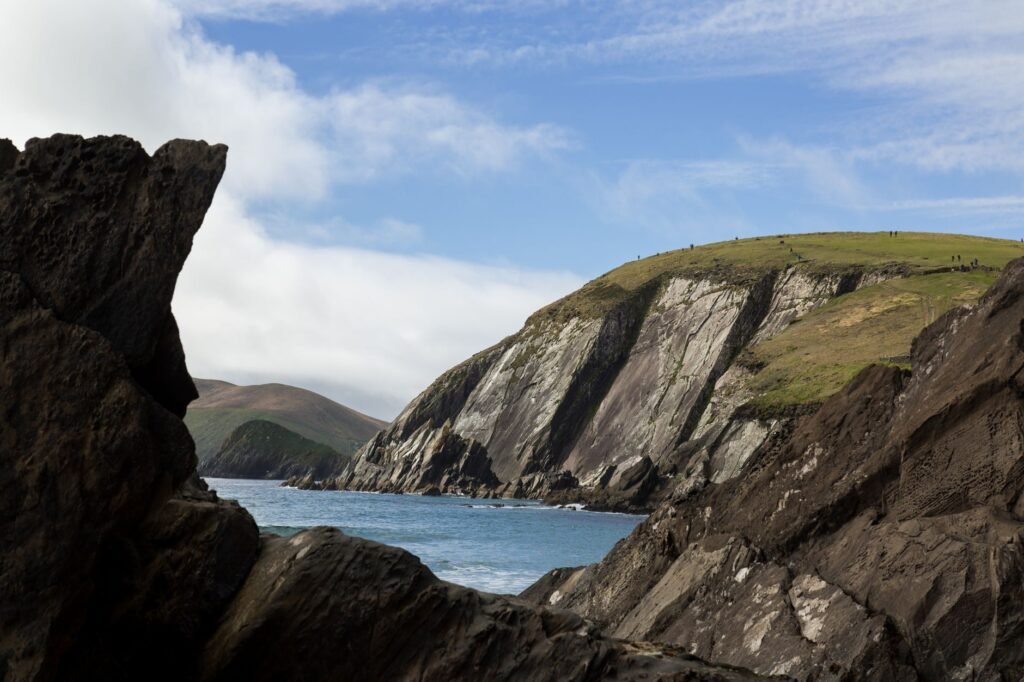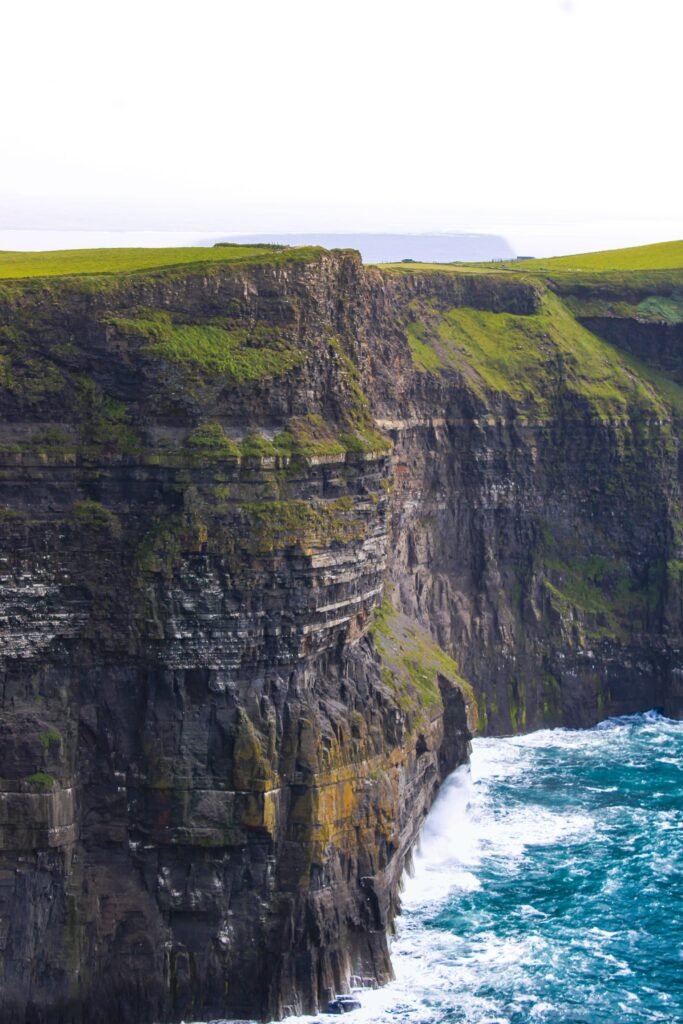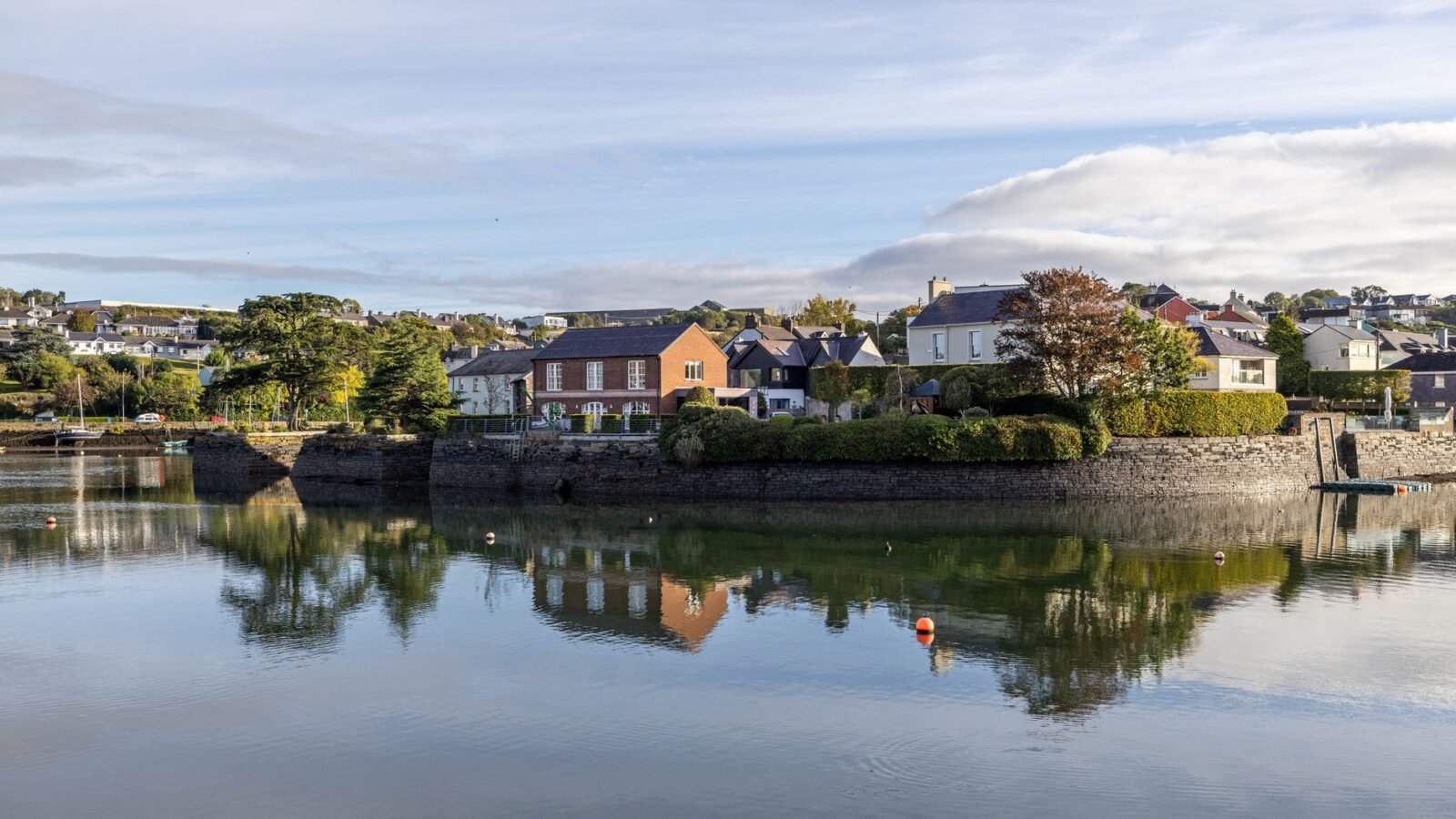
Ireland’s Wild Atlantic Way is far longer than a ten-day holiday. For ten days, concentrate on the southern and central coast from Kinsale to Galway. Do not add Donegal, Mayo and every peninsula to the same trip. This gives Kerry, Dingle, Clare and the Burren enough time to function as places rather than windscreen stops.
The official tourism route spans about 2,500 kilometres from Kinsale to Malin Head. This plan deliberately covers only one section. It uses nine nights, avoids fixed drive-time promises and treats Skellig Michael as an optional weather-dependent expedition—not a required day.
| Nights | Base | Main purpose |
|---|---|---|
| 1 | Kinsale | Arrival and left-side driving reset |
| 2–3 | Kenmare | Beara or Ring of Kerry choice; optional Skellig decision |
| 4–5 | Dingle | Peninsula without combining it with another full loop |
| 6–7 | Doolin, Lisdoonvarna or Ballyvaughan | Cliffs visitor area and Burren on separate days |
| 8–9 | Galway | City recovery and optional Connemara day |
Travellers planning the rest of the country can use the Ireland destination guides. This itinerary follows Travytour’s editorial policy: road, boat, weather, trail and admission details are checked at decision time.
What this route leaves out
Donegal, Sligo, Achill Island and most of Mayo are not omissions to squeeze back in. They form a strong second northern trip. Slieve League should not be the final morning of a Kinsale-to-Galway holiday.
This plan also avoids promising both Skellig Michael and every Ring of Kerry stop. The island landing is limited, seasonal and weather-dependent. A cancellation can occur even after the traveller reaches the coast.
Ten days also does not support Dublin sightseeing unless extra nights are added. Flying through Dublin may be necessary, but the cross-country transfer consumes time and should be planned separately.
Why nine nights, not ten rushed day labels
The arrival day has value only when it contains rest and a short orientation. The final day should protect the flight or onward train. Nine nights between those points produce eight full local days.
If only eight nights are available, remove Galway or reduce the trip to Kinsale–Kerry–Dingle–Shannon. Do not keep every base and cut each to one night.
Arrival and departure choices
Cork supports a Kinsale start. Shannon works well after Clare or Galway. Dublin can provide more international routes, but requires a separate transfer and should not be described with a fixed duration.
One-way rental can reduce backtracking, but compare the full live quote, drop fee, opening hours and exact airport. Confirm the licence requirement with the rental company and the official authority for the driver’s circumstances.
Do not collect a car after a sleepless overnight flight and immediately tackle a peninsula. Stay in Kinsale or near the arrival point first.
Driving on Ireland’s rural roads
Ireland drives on the left. Official Tourism Ireland guidance describes country roads as shared with motorists, walkers, cyclists and livestock, and advises slowing down. A signed speed limit is a maximum under suitable conditions, not a target on a blind bend.
Choose the smallest vehicle that safely carries the group and luggage. Before leaving:
- confirm licence, insurance and permitted-road terms;
- photograph existing vehicle damage;
- learn lights, demisting and reverse controls;
- set navigation before moving;
- download offline mapping without treating it as closure data;
- identify safe stops rather than stopping in the road;
- expect walkers, cyclists, livestock and farm vehicles.
When meeting a coach or larger vehicle, stop with space and follow the professional driver’s signals where safe. Do not force both vehicles into a gap. Never reverse around an unseen bend without a spotter when one can assist safely.
Ring of Kerry direction: remove the myth
The legacy article repeated the common but unreliable claim that a specific direction is always “opposite the coaches.” Coach routing and traffic vary. There is no durable direction that removes encounters on narrow sections.
Choose clockwise or anticlockwise from the base, weather, booked stops and current traffic. Start early only when it creates a rested, safe day—not to race buses. If a driver is nervous, use a guided day or choose the Beara Peninsula rather than turning the Ring into a test.
Skellig Michael: optional and never guaranteed
Heritage Ireland states that access to Sceilg Mhichíl is only through permitted boat operators. Opening arrangements and dates vary with weather, and visits are prohibited when the site is unmanned.
Book a permitted operator directly, verify whether the product lands or only circles, read the cancellation terms and keep the entire day flexible. The sea trip, landing and steep historic-site access are separate physical demands.
Do not place a fixed opening season into a future itinerary. Check the Heritage Ireland page for the intended year. A cancelled landing is not a reason to accept an unsafe substitute boat.
Anyone with mobility, balance, cardiac or severe seasickness concerns should discuss the actual boat and site access with the operator. A Kerry coast day is the fallback, not a failed holiday.
Day 1: arrive in Kinsale
Stay in Kinsale and learn the immediate area on foot. Do not schedule Old Head, Cork city and a peninsula transfer after arrival.
Confirm dinner because kitchens can finish earlier than expected. Leave the car parked after drinking. The harbour and town provide enough orientation for the first day.
Day 2: Kinsale to Kenmare
This is a relocation day, not a full checklist through West Cork. Select one coastal or heritage stop only when it has legal parking and live access.
Reach Kenmare with time to settle. It works as a two-night base because the next day can choose Beara, a partial Ring of Kerry or the Skellig-area plan depending on weather.
Day 3: choose one Kerry day
Option A: Beara Peninsula
Choose Beara for a quieter landscape day and fewer globally famous checkpoints. Narrow roads still require patience. Do not attempt every harbour and pass.
Option B: selected Ring of Kerry
Build a partial or full loop around two priorities. Stop only in proper parking and avoid coach bays. Direction follows the day’s current plan, not folklore.
Option C: Skellig expedition
Use this only with a confirmed permitted operator and suitable weather. Make no other timed commitment. If cancelled, activate the land-based Kerry plan.
Day 4: Kenmare to Dingle
Move between peninsulas without adding a second Kerry circuit. A direct inland or main-road transfer may be less photogenic but protects the Dingle stay.
Confirm current road information and accommodation arrival. Avoid a late Slea Head loop after the transfer; the next day is reserved for it.
Day 5: Dingle Peninsula at local pace
Choose Slea Head or another peninsula segment and keep the full day. The official Ireland tourism material presents Dingle’s coast, villages and cultural landscape as a region, not a drive-time challenge.
Respect residents, farm access and Gaeltacht communities. Do not block gates or photograph people and homes without permission. Use designated viewpoints and obey one-way or vehicle signs where present.
Walk only on established, permitted routes. Cliff edges can be unstable and unguarded. A viewpoint closure overrides an online itinerary.
Day 6: Dingle to Clare
This is the longest geographical transition in the plan, so it has no major cliff visit attached. Use Doolin, Lisdoonvarna or Ballyvaughan as the two-night Clare base.
If a ferry appears in the route, confirm the specific vehicle, seasonal timetable, check-in rule and weather operation. A map that includes a ferry is not proof that it runs when needed.
Reach the base before dinner closes. Save Cliffs of Moher and Burren National Park for separate days.
Day 7: Cliffs of Moher visitor area
Use the official visitor experience and designated viewing paths. The operator warns that extreme weather can close the site or facilities, and that individual components can change for weather or operational reasons.
The broader coastal walk has had serious closure sections. Check the live official walk notice; do not step around a barrier or follow an old track. A visitor-centre viewing day does not guarantee a through-walk to Doolin or Liscannor.
Stay behind boundaries, supervise children closely and keep away from the cliff edge. Wind can affect balance and objects. If visibility is poor, use the exhibition or reschedule rather than approach an unsafe edge.
Day 8: Burren National Park
Burren National Park states that its rural trailhead has no visitor facilities or designated roadside parking. Its information point in Corofin provides current route advice, and a seasonal shuttle may operate.
Begin with the current official information rather than driving to a pin. Choose a trail that fits surface, distance, footwear and weather. Limestone pavement can be slippery and contains fragile habitats; remain on the established route and never pick flowers or move stone.
This separate day prevents the common error of treating the Burren as scenery seen only through a transfer to Galway.
Day 9: Clare to Galway
Move to Galway and return the car early if it is no longer needed. The city provides a useful no-driving night and more indoor options when coastal weather is poor.
Avoid adding a full Connemara loop after arrival. Explore on foot, book music or dining where required and preserve the final full day.
Day 10: Galway or a conditional Connemara day
Choose Galway when the group needs recovery, weather is poor or the departure is early next day. Choose a limited Connemara outing only with suitable conditions and a clear return.
Do not recreate the same problem by covering all Connemara in one day. Select one area or use an organised tour, then return to the same bed.
If departing from Shannon, consider moving closer the previous evening when the flight is inflexible. Do not attach a fixed transfer time; verify the live route.
Weather decides the outdoor day
Met Éireann publishes forecasts, advisories and colour-coded warnings. A Yellow warning can create local danger for exposed activities; Orange and Red warnings require stronger preparation or action.
Check county-level weather each morning and again before a boat, cliff or peninsula. Wind, rain, visibility and sea state affect different activities in different ways.
Use an indoor or town day when the coastal plan is unsafe. Waterproof clothing does not convert a severe warning into a hiking opportunity.
Accommodation that supports the route
Two-night bases are the central quality improvement. They reduce packing and allow a weather-dependent day to move.
Before booking, record:
- cancellation deadline;
- exact parking and EV charging arrangements;
- step-free route and bathroom details;
- breakfast and kitchen times;
- late-arrival contact;
- whether the property can store luggage after checkout;
- the nearest safe alternative if a road or ferry changes.
Do not book remote accommodation only for a sunset view when the next day’s route requires an early departure.
Budget in EUR from exact dates
Ireland uses the euro. Remove static USD daily tiers and compare the complete trip.
| Budget line | Capture from live quote | Risk to include |
|---|---|---|
| Flights | bags, seats, changes and airport | cross-country transfer |
| Rental | one-way fee, insurance, fuel and deposit | extra day after disruption |
| Accommodation | nine nightly totals and meals | flexible-rate premium |
| Boats | operator, landing/circle product and cancellation | weather cancellation |
| Attractions | date, parking and included access | closure or reschedule |
| Food | rural kitchen hours and breakfast | late-arrival fallback |
Enter the dated EUR totals into the Travytour Budget Calculator. Do not compare a cheap flight to Dublin against Cork or Shannon without adding the onward time and cost.
Parking and community impact
Use designated parking. Never stop on a narrow road, gateway, farm entrance, coach bay or private verge. If a car park is full, continue to the fallback rather than inventing a space.
Small villages need visitor spending but also access for residents and services. Buy locally, dispose of waste properly, keep noise low and avoid photographing homes as scenery.
Campervans and motorhomes must use legal authorised places. Do not infer an overnight right from the absence of a barrier.
Coastal and boat safety
Cliff weather can change rapidly. Remain on official paths and behind barriers. Never sit on an edge or cross a closure for a photograph.
For all boat trips, use the licensed or permitted operator required for the activity. Wear supplied safety equipment, disclose relevant health or mobility needs and follow cancellation decisions. Operators cancel because sea conditions matter beyond visible sunshine.
Do not promise puffins, whales, dolphins or a specific sunset. Wildlife and sky are uncontrolled.
Accessibility
Accessibility varies across a facility, not just between places. Ask about parking-to-entry distance, gradients, path surface, steps, toilets, seating and companion access.
The Cliffs of Moher visitor area provides managed facilities, but individual paths, tower operation and weather access can differ. The Burren’s rural trails lack visitor facilities at the trailhead, making the Corofin information point important.
Skellig Michael requires a boat transfer and demanding historic-site access. Confirm with the permitted operator and Heritage Ireland; do not infer suitability from a general tour label.
Public transport and car-free alternatives
A rental car is not the only possible experience, but the exact ten-day rural sequence is not a good public-transport promise. Build a car-free version around bases such as Cork/Kinsale connections, Killarney, Galway and guided peninsula or Clare days.
Check current Transport for Ireland schedules for the exact date. Seasonal buses and tours can change. A base-led car-free trip may cover less coastline but remove driving stress and parking impact.
Responsible travel
- Use official viewpoints, parking and trails.
- Keep dogs under current site and livestock rules.
- Take litter and food waste away.
- Do not build stone stacks on beaches or limestone.
- Avoid drones near wildlife, homes and restricted heritage sites.
- Choose permitted boat operators.
- Spend two nights in bases rather than making short extraction stops.
- Learn and respect local place names and Gaeltacht context.
- Leave Donegal and Mayo for a future trip rather than speeding through them.
Common mistakes
- Trying to reach Donegal from Kinsale in ten days while also “doing” Kerry and Galway.
- Treating Ring of Kerry direction as a guaranteed way to avoid coaches.
- Booking Skellig Michael without checking whether it is a landing product.
- Building another timed activity on a weather-dependent boat day.
- Assuming the Cliffs coastal walk is open end to end.
- Driving directly to the Burren trailhead despite parking and facility guidance.
- Using an old ferry timetable.
- Freezing USD budgets, fuel prices or drive times.
- Eating and drinking in a village, then driving onward late.
- Parking on verges when a viewpoint is full.
FAQ
Can the whole Wild Atlantic Way be driven in ten days?
It can be crossed quickly, but not experienced responsibly at that pace. The official route is about 2,500 kilometres. This guide deliberately covers Kinsale to Galway.
Should I add Donegal?
No, not to this plan. Use Donegal, Sligo and Mayo as a separate northern journey or add substantially more nights.
Which way should I drive the Ring of Kerry?
Choose from current traffic, base and planned stops. No direction guarantees avoiding coaches. Drive slowly enough for every bend and oncoming vehicle.
Is Skellig Michael guaranteed after booking?
No. Access uses permitted boat operators and is dependent on weather and site operation. Keep a land-based fallback.
Can I walk from Doolin through the Cliffs of Moher?
Do not assume so. Parts of the coastal walk have closed for safety. Check the current official notice and obey all barriers.
Do I need a 4×4?
Not as a general route requirement. A smaller comfortable car can be easier on narrow roads. The rental contract and current road conditions remain controlling.
Is the trip possible without a car?
Build a different base-led trip using current public transport and guided day tours. Do not copy this exact road sequence and assume every rural connection exists.
Final route
Use ten days for Kinsale, two nights in Kenmare, two in Dingle, two in Clare and two in Galway. Choose one Kerry day, keep Skellig Michael optional, separate the Cliffs from the Burren and end with a no-driving city or limited Connemara day. A focused southern route is not an incomplete Wild Atlantic Way—it is the version that leaves time to experience it.