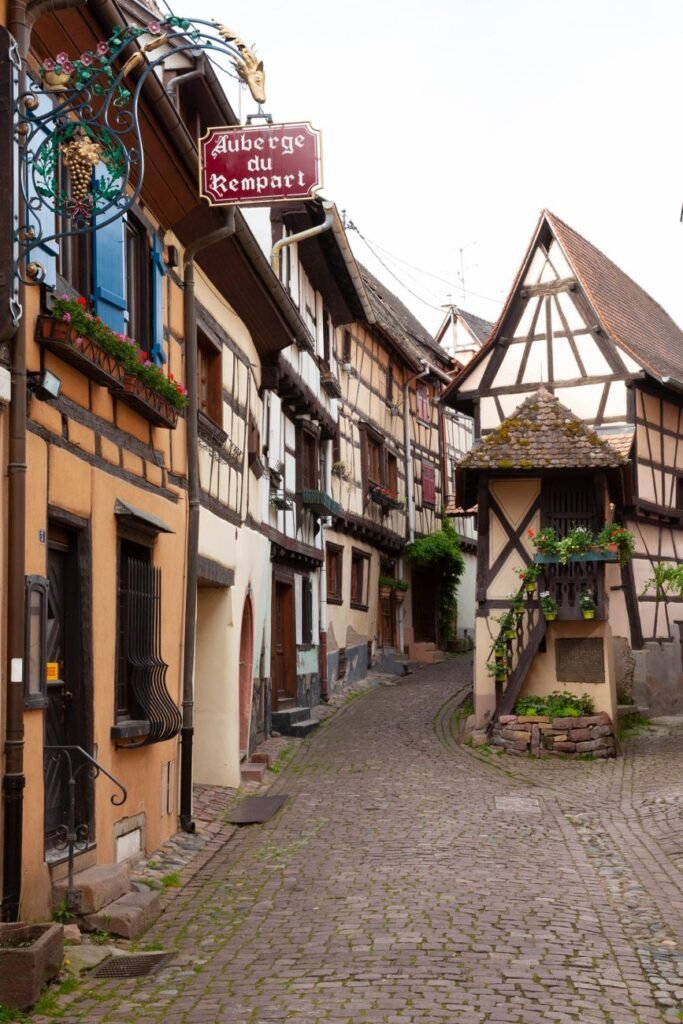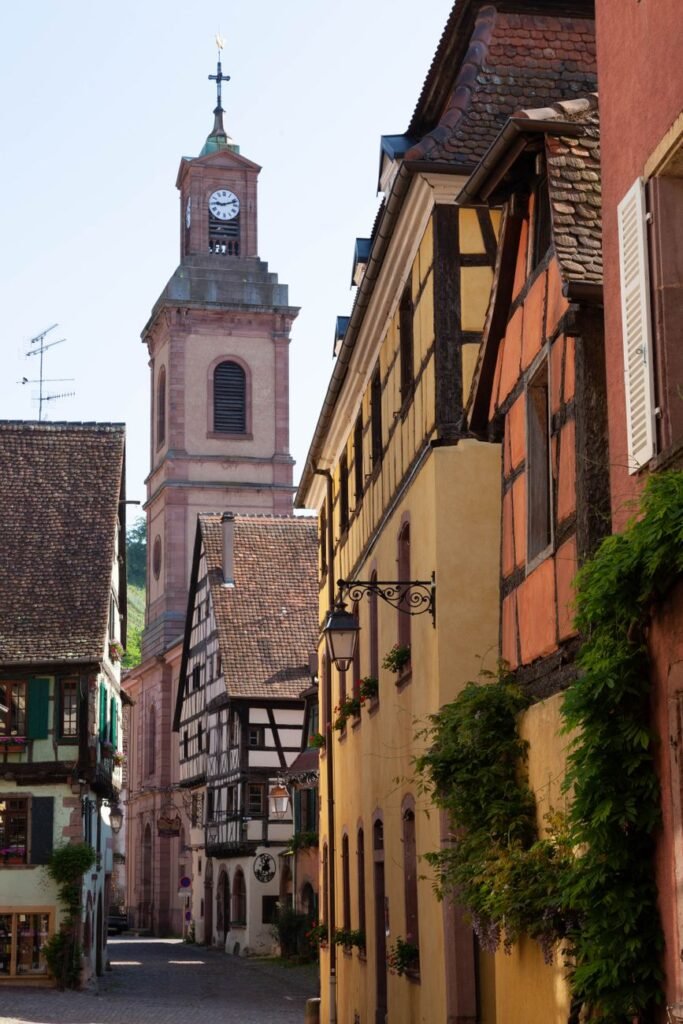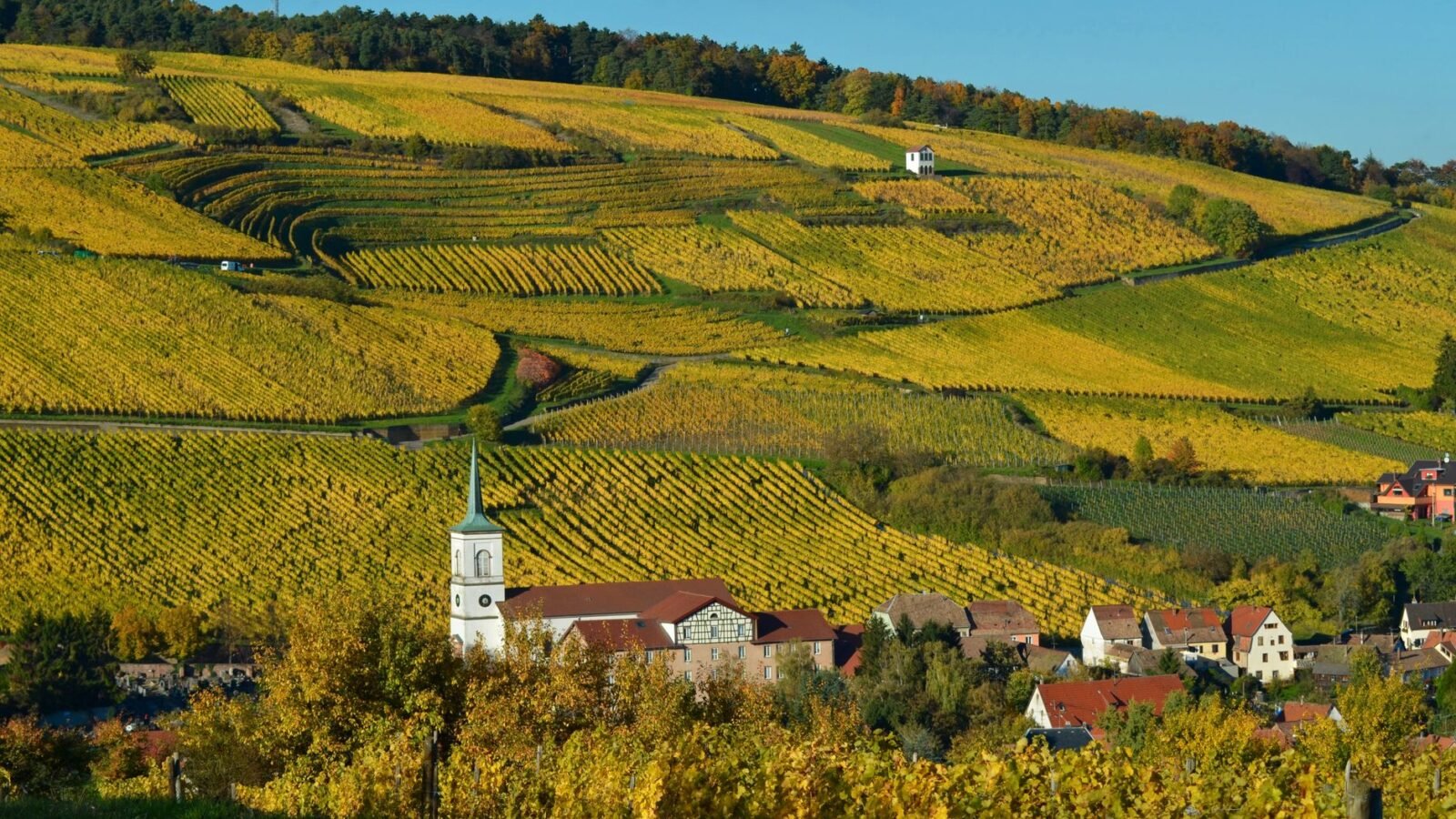
The Alsace Wine Route is more than a chain of photogenic villages. It is a working vineyard landscape stretching for more than 170 kilometres, with producers, trails, homes and roads functioning throughout the visitor season. For a first visit, choose one base, two full days, four principal villages and no more than one confirmed wine appointment per day.
This plan uses Colmar as the easiest all-round base, but a village stay also works when parking or public transport is confirmed. It pairs Eguisheim with Kaysersberg on one day and Riquewihr with Ribeauvillé or quieter Hunawihr on the other. The pairings are frameworks, not fixed driving schedules.
| Night | Base | Focus |
|---|---|---|
| 1 | Colmar or one selected village | Arrival, live transport and reservation checks |
| 2 | Same base | Eguisheim + Kaysersberg + one confirmed producer |
| 3 | Same base | Riquewihr + Ribeauvillé/Hunawihr + one confirmed producer |
Travellers building a wider French trip can use the France destination guides. This guide follows Travytour’s editorial policy: transport, cellar access, events, weather and prices are checked for the actual date.
Why four villages are enough
The official route passes more than one hundred wine-growing towns and villages. Its scale is precisely why trying to “complete” it in a weekend fails. Parking, walking, meals and conversations with producers take longer than a map suggests.
Four principal villages allow time to notice their different plans and landscapes. Eguisheim has concentric lanes; Kaysersberg follows its river and fortified bridge; Riquewihr is compact and enclosed; Ribeauvillé functions as a larger wine town. Hunawihr can replace Ribeauvillé when a quieter, shorter visit better fits the day.
Do not interpret “principal” as “best.” The route contains many worthwhile alternatives, including Bergheim, Turckheim and villages farther north or south. Select from current access, accommodation and booked experiences.
The route in context
Official Alsace tourism describes the route as an itinerary from Marlenheim to Thann, inaugurated in 1953 and extending more than 170 kilometres. The regional wine body documents village trails, vineyards, castles and interpretation across the route.
The landscape is agricultural. Vines are not public gardens, and harvest activity is work rather than a seasonal performance. Remain on signed paths, never pick grapes and move aside for machinery.
Wine is only one layer. Architecture, markets, local food, museums, walking and cycling make a strong trip for non-drinkers and families as well.
Choose the transport mode before the tastings
The safest plan decides mobility first.
Car-free
Use Colmar as a base and check each village through the official Fluo Grand Est journey planner for the exact date and return. A route may combine train, bus and walking; service can differ by day and season.
Do not infer that every famous village has a frequent direct link. Save the last workable return, identify the stop location and keep a taxi or no-tasting fallback. Disruption can alter regional services, so check the live Fluo information again on the day.
Organised tour or hired driver
A small-group or private tour can combine villages and a producer without a participant driving after alcohol. Confirm what the price includes, the language, walking required, pickup, cancellation, accessibility and whether tastings are optional.
“Private driver” must mean an actual transport service; a member of the group who tastes is not the designated driver.
Self-drive
Self-driving offers flexibility only when the driver consumes no alcohol. Book accommodation parking or identify official public parking before leaving. Do not take a rental car into a pedestrian core or stop in vineyard access lanes.
Compare the complete rental contract, insurance, deposit, fuel and return terms. Use current road and parking information rather than fixed travel-time estimates.
Bicycle
The official Vineyard Cycle Route runs broadly parallel to the wine route and forms part of the region’s cycling network. It is not a licence to combine drinking and riding. Alcohol impairs cycling, gradients vary and some segments use roads or shared space.
Select a segment from the current route map, weather and the least experienced rider. Confirm surface, elevation, closures, bicycle parking, lights, helmet provision and return logistics. Choose alcohol-free tastings or transport the bicycle back without riding impaired.
Alcohol and driving: use a zero-alcohol driver rule
French law sets maximum blood-alcohol levels and stricter limits can apply to some drivers. A traveller cannot reliably translate glasses tasted into a legal or safe reading because pour size, food, time and the person all matter.
Travytour’s operational rule is simpler: the person driving consumes no alcohol. Spitting during a professional tasting reduces intake but does not turn an uncertain driver into a safe one.
Use a car-free itinerary, booked driver, non-drinking designated driver or tasting at the accommodation’s village after the car is parked for the night. Non-alcoholic participation should be welcomed; confirm it when booking.
Before booking a cellar visit
Many producers are small working businesses. Harvest, bottling, family commitments and language availability affect visits. A map listing is not proof of walk-in access.
Ask the producer directly:
- date, start time and duration;
- reservation and cancellation conditions;
- price and what is included;
- languages offered;
- number and size of samples;
- alcohol-free option;
- minimum age and child policy;
- step-free entrance, seating and accessible toilet;
- parking or public-transport instructions;
- shipping and customs limitations for the traveller’s country.
One confirmed appointment per day is enough. Do not pressure a producer to extend a tasting because the group arrived late from another village.
Day 1: Eguisheim and Kaysersberg
Morning in Eguisheim
Begin in Eguisheim after checking the selected transport. Its old lanes form a compact concentric pattern around the centre. Walk the signed circuit slowly, keep doorways clear and remember that the decorated buildings are homes and businesses.
Use the official car park or arrive by confirmed public transport. If the centre is busy, do not circle repeatedly looking for a closer illegal space. A short walk from lawful parking is part of the visit.
Choose coffee, a bakery or local heritage stop before any tasting. This keeps the morning useful even if the producer changes the appointment.
Midday reset
Eat and hydrate. A meal does not make later driving after alcohol safe. The designated driver remains alcohol-free for the whole day.
Do not attach a fixed departure time to Eguisheim. Leave enough margin for the confirmed Kaysersberg appointment or remove it if the day is already full.
Afternoon in Kaysersberg
Kaysersberg offers a river setting, historic bridge and an uphill castle option. The climb is separate from a casual level stroll; check surface, weather and ability before using it.
Spend the afternoon on one village walk and the day’s confirmed producer. If the appointment is outside town, verify the exact address rather than assuming the tasting room and vineyard are together.
Return to the same base. Do not add Riquewihr as a sunset checkbox.
Day 2: Riquewihr and Ribeauvillé or Hunawihr
Morning in Riquewihr
Riquewihr’s walled historic core concentrates visitors and businesses in a small area. Arrive through the planned transport and use the official pedestrian approach. Deliveries, events or maintenance can change access.
Walk beyond the main shopping street without entering private courtyards. Photograph buildings without blocking residents, shop entrances or other pedestrians.
If crowds or weather reduce the experience, shorten the visit. The trip does not depend on recreating a photograph.
Choose one afternoon village
Pick Ribeauvillé for a larger town with more services and a longer walk, or Hunawihr for a smaller heritage stop. Do not attempt both automatically.
A hill or castle walk requires separate trail planning, footwear and daylight. Wine tasting is not preparation for an exposed or steep walk.
Use the second confirmed producer appointment only if transport remains safe. Otherwise use a shop, museum, café or non-alcoholic visit.
Colmar deserves separate time
Colmar is the transport and accommodation hub in this framework, not a fifth village squeezed between tastings. Give its historic centre a separate arrival evening or additional day.
If only two nights are available, choose between a full Colmar day and the second village day. Do not compress both into one sequence of parking stops.
A central stay can support car-free evening dining and removes the need to drive after a village tasting. Confirm the last connection back before ordering alcohol.
When to travel
There is no universally quiet season.
- Spring can support walking and village visits, but weather and producer hours vary.
- Summer can bring heat, events and high visitor demand.
- Harvest is culturally important but also the producers’ busiest work period; appointments may be limited.
- Christmas-market periods transform transport, parking, access and accommodation demand.
- Winter outside events can be calm, with shorter daylight and reduced business hours.
Check the official event calendars only after choosing travel dates. Never preserve a future Christmas-market date or wine festival programme in an evergreen itinerary.
Weather and walking conditions
Use Météo-France vigilance and a local forecast before village, vineyard or cycling days. Heat, thunderstorms, wind, ice and heavy rain affect cobbles, paths and rural roads differently.
Wear shoes suitable for uneven stone and vineyard surfaces. Carry water without relying on a fountain. An umbrella can be awkward in a narrow crowded lane; waterproof layers may be easier.
A weather warning or closed path overrides the plan. Use a museum, cellar visit that is safely reachable, or a rest day.
Accessibility
Half-timbered centres can include cobbles, slopes, narrow pavements and historic thresholds. Accessibility varies between the public route, tasting room, cellar and toilet.
Ask each village tourist office or venue about:
- designated accessible parking and drop-off;
- step-free route through the centre;
- gradients and cobblestone alternatives;
- lift access to a cellar or upper tasting room;
- accessible toilet and seating;
- assistance-dog policy;
- accessible bus, taxi or tour vehicle.
Do not describe a producer as accessible because its shop entrance appears level in a photograph. Cellars can be underground and operational areas may be unsuitable.
Family and non-drinker planning
A family trip should not make children wait through multiple adult tastings. Combine one short pre-arranged producer experience with village history, food and an outdoor stop.
Confirm whether minors may enter and whether juice or another non-alcoholic option is offered. Never allow a child to taste alcohol. Keep cellar machinery, stairs and agricultural vehicles in mind.
Non-drinkers are not merely drivers. Give them equal choice over villages, meals and activities, and do not assume they want to attend every tasting.
Responsible vineyard travel
- Stay on signed public paths.
- Never pick grapes, flowers or vine material.
- Do not enter rows for photographs.
- Keep dogs under the current local and landholder rules.
- Move aside for tractors and working vehicles.
- Take waste away.
- Keep voices low around homes and early-morning work.
- Buy only what can be transported legally and safely.
- Never operate a drone without checking airspace, local and landowner rules.
Harvest photographs require extra care. Do not photograph identifiable workers closely without permission or obstruct the work.
Budget in EUR from dated quotes
France uses the euro. Remove static USD tiers and compare the full trip.
| Budget line | Record from current quote | Include |
|---|---|---|
| Transport to Alsace | fare, bags, restrictions | change and disruption terms |
| Local mobility | Fluo fares, tour or rental | parking, fuel, taxi fallback |
| Accommodation | two or three nights | tax, parking, cancellation |
| Producer visits | reservation and inclusions | alcohol-free participation |
| Food | booked meals and breakfast | designated-driver choices |
| Activities | museums, cycle hire, guided walks | weather cancellation |
| Purchases | bottles and shipping | customs and baggage limits |
Enter dated totals into the Travytour Budget Calculator. Wine purchases belong in a separate discretionary line, not hidden inside food.
Accommodation decision
Choose Colmar for rail access, restaurant choice and easier car-free evenings. Choose one wine-route village for atmosphere after day visitors leave, but verify transport, dinner and luggage logistics.
Before booking, confirm:
- exact parking or station-to-door route;
- air conditioning or heating rather than assuming either;
- stairs, lift and bathroom accessibility;
- restaurant closing days;
- late arrival procedure;
- cancellation around events;
- safe return after an evening tasting.
Do not claim that village rooms always sell out months ahead. Check the actual dates and use a refundable option when event or transport details remain uncertain.
Common mistakes
- Trying to collect six or seven villages in one day.
- Making three unconfirmed cellar visits.
- Letting the designated driver “taste just one.”
- Assuming a seasonal shuttle from an old article still runs.
- Cycling after drinking.
- Entering vine rows or blocking agricultural access.
- Treating harvest as a visitor show rather than work.
- Freezing train times, market dates or tasting prices.
- Adding a castle climb without checking trail and weather.
- Budgeting in static USD estimates for a euro trip.
FAQ
Do I need a car for the Alsace Wine Route?
No. Build a car-free plan from Colmar using the live Fluo planner, or book a tour/driver. A car increases flexibility only with a completely alcohol-free driver.
How many villages fit in a day?
Two principal villages and one confirmed producer provide a realistic framework. Remove a stop when transport, crowds, weather or interest require it.
Can I visit wineries without reservations?
Do not rely on walk-in access. Many are working family businesses. Confirm the appointment, price, language and access directly.
Is cycling a safe tasting strategy?
No. A bicycle is a vehicle requiring attention and control. Use alcohol-free tastings, a support transfer or a separate non-riding tasting day.
Is the route suitable for non-drinkers?
Yes. Villages, architecture, food, museums, trails and cycling can form the trip. Book experiences that welcome non-alcoholic participation.
Should I visit during harvest?
Only with flexibility. Harvest provides context but producers are busy and access may be reduced. Never enter working rows or interrupt machinery.
Final two-day framework
Stay three nights in Colmar or one selected village. Pair Eguisheim with Kaysersberg, then Riquewihr with either Ribeauvillé or Hunawihr. Confirm one producer per day, decide transport before tasting and keep the driver alcohol-free. Check Fluo, venue access and Météo-France at decision time. Four villages experienced carefully are a stronger Alsace Wine Route trip than a hurried attempt to count them all.