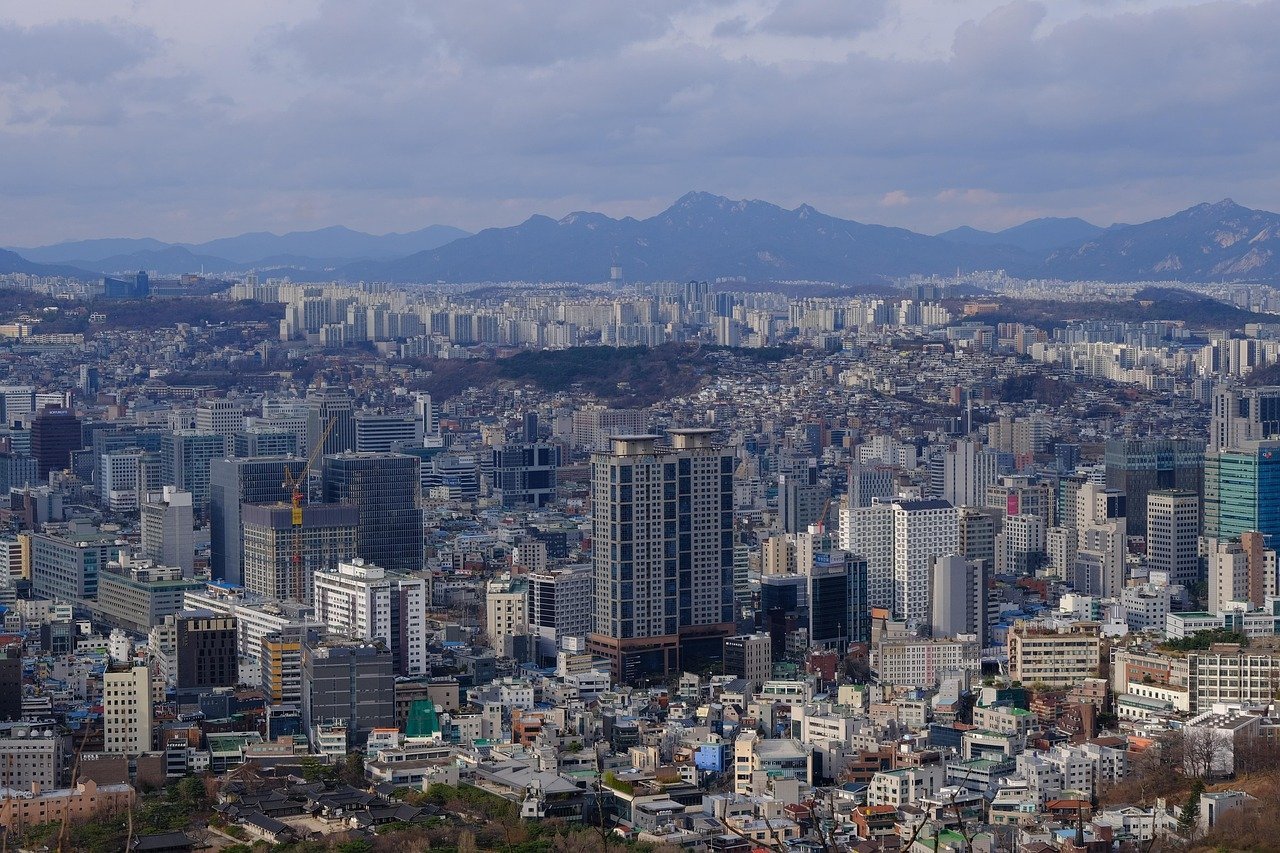
Seoul rewards a paced first visit more than a packed one. Four days is enough time to cover the historic palace district, get a feel for at least three distinct neighborhoods, eat well without repeating a meal, and take a day trip beyond the city — all without the exhausting, checklist-driven pace that shorter visits often force. This itinerary is built for first-timers with no prior Seoul experience, sequencing each day around a natural cluster of sights and food rather than scattering the trip across the whole city. It assumes moderate walking stamina, a willingness to use the subway (genuinely one of the best in the world), and a preference for a real feel of the city over checking off every famous landmark.
Why Four Days Works Well for First-Timers
Seoul is large — Gyeongbokgung Palace and the historic center sit in the north, the trendy Hongdae and Yeonnam-dong areas cluster in the west, and Gangnam’s modern, upscale core sits well south of the river. Trying to cover all of it in two or three days means constant subway transfers and little time to actually settle into any single neighborhood. Four days allows one day per major cluster, plus a day trip, without feeling rushed, and it’s a realistic length for most travelers combining Seoul with another Korean destination or a longer Asia itinerary.
Best Time to Go
Seoul has four distinct seasons, and the choice matters more than in many warm-weather destinations. **Spring (late March through April)** brings cherry blossoms, particularly along the Yeouido riverside and around Namsan, and comfortable walking weather, making it one of the most popular times to visit. **Autumn (October through mid-November)** offers similarly comfortable temperatures with strong foliage color, especially in the palace grounds and around Bukhansan. **Summer (June through August)** is hot and humid with a distinct monsoon stretch in July, generally the least comfortable season for a walking-heavy itinerary. **Winter (December through February)** is cold but manageable, with the advantage of fewer crowds at major sights and markets.
This itinerary works in any season with only minor adjustments — mainly the amount of time spent outdoors versus in Seoul’s abundant indoor markets, museums, and cafes.
Entry Requirements and Practical Logistics
Entry, visa, and electronic travel-authorization rules vary by nationality and can change. Check the destination government’s official immigration portal for the requirements, fees, and start dates that apply to your passport before booking and again before departure.
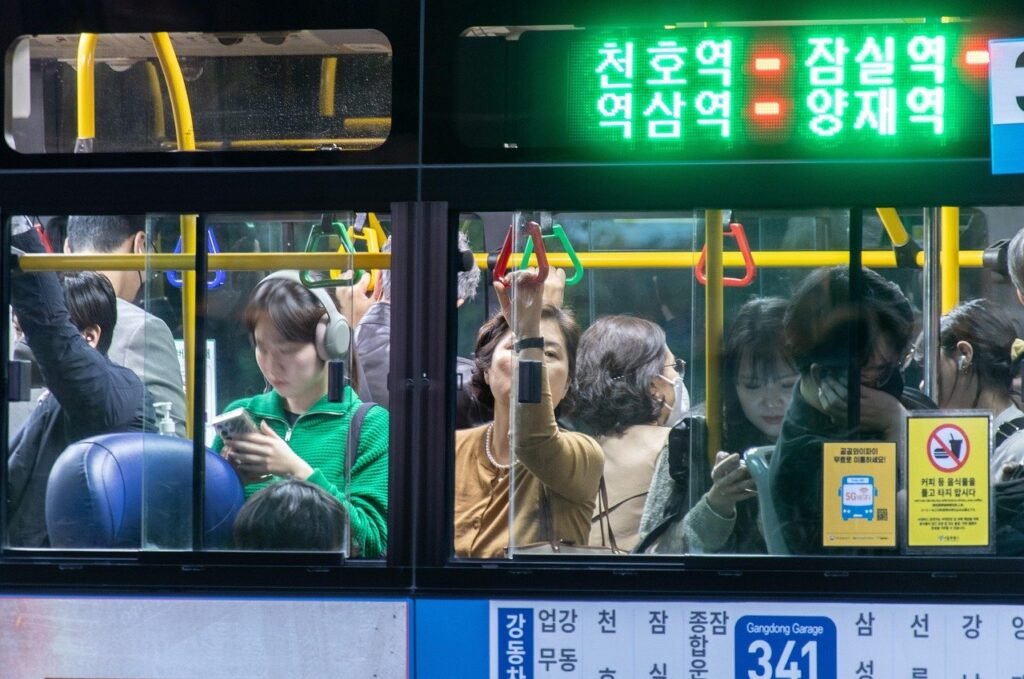
For getting around, a **T-money card** is essential — it works across the subway, city buses, and even Incheon Airport’s all-stop AREX train, and is sold at convenience stores (GS25, CU, 7-Eleven) and station kiosks. Loading it once at the airport and topping it up as needed covers nearly all transport for the trip. The AREX all-stop train from Incheon Airport to Seoul Station takes about 44 minutes and costs roughly ₩4,750; the express version skips stops for around ₩9,000. High-speed KTX trains for trips beyond Seoul require a separate ticket, purchased via the Korail Talk app, station kiosks, or counters — T-money does not cover KTX fares.
Realistic Budget (current)
**Budget tier (~$50-80/day):** Guesthouses or budget hotels, mostly local restaurants and street food (a full meal at many local spots runs $6-12), and subway/bus transport via T-money.
**Mid-range tier (~$100-180/day):** 3-4 star hotels, a mix of local and international dining, occasional taxis, and paid attractions like palace tickets and a DMZ tour.
**Upscale tier (~$220-400+/day):** Well-located hotels in areas like Myeongdong or Gangnam, higher-end Korean and international dining, private transfers, and premium experiences like a hanbok photo session or a tasting-menu dinner.
Most of Seoul’s grand palaces charge modest entrance fees, generally in the ₩1,000-3,000 range (roughly $1-2), and several offer free admission for visitors wearing a traditional hanbok, rented from shops near the palace gates for a few hours (typically $15-30). A standard half-day DMZ tour covering the Third Tunnel and Dora Observatory runs roughly ₩55,000-75,000 ($40-55) per person; tours that include JSA (Joint Security Area) access, when available, run higher and require earlier booking due to security clearance.
Day 1: Palaces and the Historic Center
Start at **Gyeongbokgung Palace**, Seoul’s largest and most iconic royal palace, ideally arriving near opening to beat both crowds and the day’s heat in warmer months. The changing of the guard ceremony, held at scheduled times through the day, is worth timing a visit around. Renting a hanbok nearby (several shops cluster around the palace’s main gate) grants free palace entry and makes for a memorable set of photos, though it’s an optional add rather than a necessity.
From Gyeongbokgung, walk to the nearby **Bukchon Hanok Village**, a hillside neighborhood of preserved traditional Korean houses, many still lived in — worth a quiet, respectful wander rather than a loud group visit, since it remains a residential area. **Insadong**, just to the east, offers a dense concentration of traditional crafts, tea houses, and galleries, a good spot for a slower afternoon and an early dinner.
In the evening, **Gwangjang Market** is one of Seoul’s most famous food markets, known for bindaetteok (mung bean pancakes) and mayak gimbap (small, addictive seaweed rice rolls) — a genuinely good way to sample a wide range of Korean street food in one stop.
Day 2: Modern Neighborhoods and Han River
Spend the morning in **Myeongdong**, Seoul’s dense shopping and street-food district, best experienced with an appetite rather than a strict itinerary — the street food stalls that populate the main pedestrian strip by afternoon are part of the experience. From there, head to **Namsan Seoul Tower**, reachable by cable car or a moderate uphill walk through Namsan Park, for a citywide view; sunset is a popular and rewarding time to visit, though it does draw crowds.
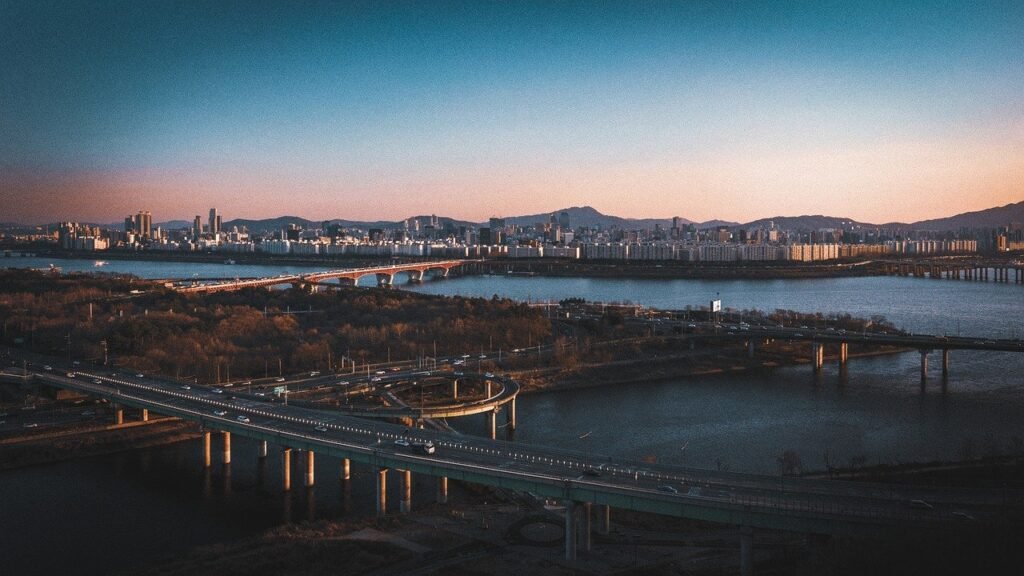
In the afternoon or evening, head to the **Han River**, Seoul’s defining natural feature, where several riverside parks (Yeouido and Banpo among the most popular) offer a genuinely local way to unwind — renting a bike, picking up delivery food from a nearby convenience store, and watching the Banpo Bridge’s rainbow fountain show (seasonal, generally running in warmer months) is a well-loved local pastime worth adopting for an evening.
Day 3: DMZ Day Trip
Dedicate day three to a half-day or full-day trip to the **Korean Demilitarized Zone (DMZ)**, one of Seoul’s most distinctive day trips and something genuinely hard to replicate elsewhere. Standard tours depart in the morning and typically include the Third Tunnel (one of several tunnels dug beneath the border, discovered and now open to visitors), the Dora Observatory (offering views into North Korea), and Dorasan Station, a symbolically significant train station built for a future reconnected rail line.
Booking logistics matter here: tours require advance booking, generally 48-72 hours ahead, and require bringing an original physical passport — no photocopies or phone photos are accepted at security checkpoints. DMZ sites are closed on Mondays, so this day trip should be scheduled accordingly. Tours that include the JSA (Joint Security Area, where the two Koreas face each other directly) have been suspended or unpredictable since 2023 following a security incident, so travelers specifically wanting JSA access should confirm current availability directly with tour operators before booking, rather than assuming it’s included.
Back in Seoul by late afternoon, a relaxed dinner in a neighborhood not yet visited — **Itaewon**, with its international food scene, is a good change of pace after a day focused on Korean history.
Day 4: Hongdae, Markets, and Departure Prep
Spend the final day in **Hongdae** and neighboring **Yeonnam-dong**, Seoul’s youthful, arts-and-university district, known for street performances (particularly on weekends), indie cafes, and a dense concentration of small boutiques. It’s a good contrast to the palace-heavy first day and a comfortable, low-pressure way to close out the trip.
If time and energy allow, **Gangnam**, south of the river, offers a look at Seoul’s more upscale, modern side — worth an afternoon for travelers curious about the contrast with the historic north, though it’s optional if the pace has been full already. Use the remainder of the day for any last markets or souvenir shopping — **Namdaemun Market**, one of Korea’s oldest and largest traditional markets, is a good final stop for gifts and a last round of street food before departure.
Where to Stay, by Traveler Type
**First-time visitors wanting easy sightseeing access:** The Myeongdong or Jongno (near Gyeongbokgung/Insadong) areas put the palace district and major shopping within easy walking or short subway reach.
**Nightlife and international dining focused:** Itaewon or Hongdae offer the most varied evening scene, from craft cocktail bars to late-night food.
**Modern, upscale-focused travelers:** Gangnam offers Seoul’s most contemporary hotel and dining scene, though it’s a subway ride from most historic sights.
**Quiet, local-feeling stays:** Neighborhoods like Ikseondong (a small hanok-lined pocket near Insadong) or parts of Yeonnam-dong offer a quieter, more residential feel without sacrificing central access.
Safety, Packing, and Common Mistakes
Seoul is a genuinely easy and safe city for first-time visitors, with low petty crime rates and an efficient, well-signed public transport system (English signage is standard throughout the subway). Comfortable walking shoes matter more than almost any other packing item — this itinerary, like most Seoul visits, involves substantial daily walking.
The most common mistake first-timers make is underestimating the DMZ tour’s booking lead time — arriving in Seoul and trying to book a next-day DMZ tour often fails due to the 48-72 hour advance requirement, so this should be arranged before arrival if it’s a priority. A second common mistake is over-scheduling Gangnam and the historic north on the same day; the subway ride between them, while easy, eats more time than it looks like on a map, and pairing them same-day tends to rush both.
Frequently Asked Questions
**Do I need a visa or travel authorization to visit Seoul?** Requirements depend on nationality and current policy. Check South Korea’s official immigration guidance before travel.
**Is four days really enough time for Seoul?** For a first visit focused on the historic center, a couple of key neighborhoods, and one day trip, yes — it’s a realistic, unrushed pace. Travelers wanting to add destinations outside Seoul (beyond a DMZ day trip) would benefit from extending the stay.
**Can I do the DMZ tour independently, without a group tour?** Independent travel to the DMZ zone is not permitted; visits require a licensed tour operator due to the area’s restricted, security-controlled status.
**What’s the best way to get from Incheon Airport to central Seoul?** The AREX all-stop train, using a T-money card, takes about 44 minutes to Seoul Station and is generally the most reliable and cost-effective option; airport buses and taxis are also available.
**Is Seoul expensive compared to other major Asian capitals?** It sits in the mid-to-upper range — generally less expensive than Tokyo for comparable quality, though noticeably more expensive than Bangkok or Hanoi, particularly for accommodation and dining out.
Related Travytour guides
- [Busan Day Trip from Seoul: Is It Worth It? A Realistic Guide](/busan-day-trip-from-seoul/)
- [Sri Lanka 10-Day Itinerary: A First-Time Visitor’s Route](/sri-lanka-10-day-itinerary/)
- [Everest Base Camp Trek Cost: A Realistic Budget and Difficulty Breakdown](/everest-base-camp-cost/)
Conclusion
Four days in Seoul, paced by neighborhood rather than by checklist, leaves room to actually experience the city rather than just photograph it. Book the DMZ day trip early given its lead-time requirement, load a T-money card on arrival, and treat the rest of the itinerary as a loose guide rather than a fixed schedule — Seoul rewards a bit of unplanned wandering as much as it rewards good planning.