
Sapa Trekking Guide for Beginners
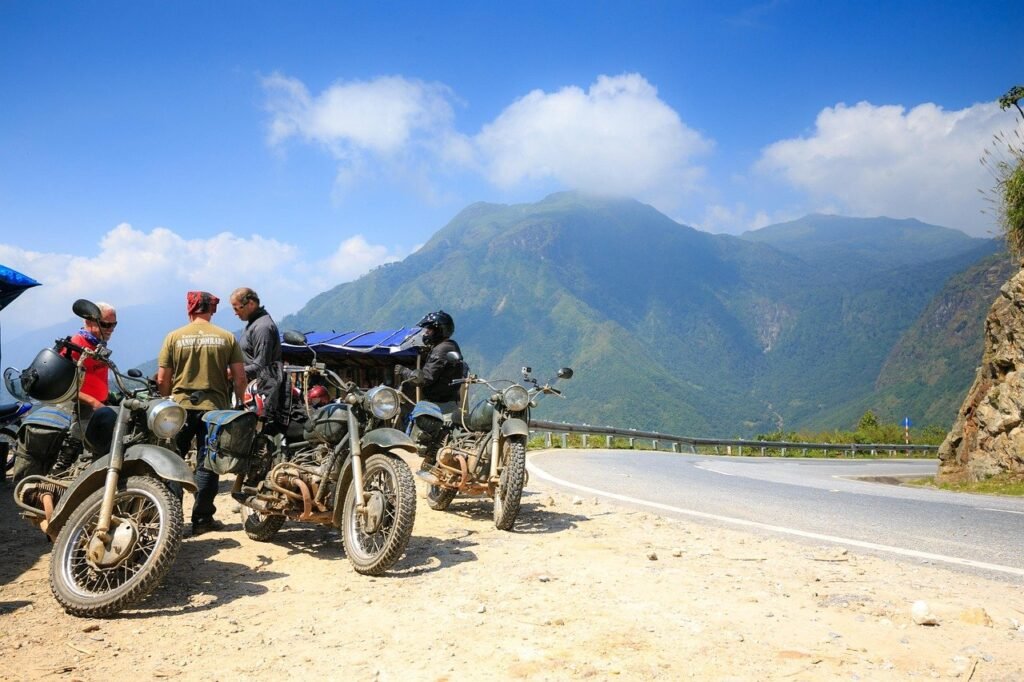
Sapa’s rice terraces look almost unreal in photographs — impossibly green steps carved into steep mountainsides in Vietnam’s far northwest. What the photos don’t show is the trek to get there: several hours a day on narrow dirt paths, sometimes muddy, sometimes steep, through villages where the H’mong, Dao, and other ethnic minority communities still farm the same slopes their families have worked for generations. This is a genuinely accessible trip for a fit beginner with no technical hiking experience, but it’s not a stroll. This guide covers what a first Sapa trek actually involves, from choosing a route to picking a season, so the trip matches expectations.
Why Sapa, and What to Expect Honestly
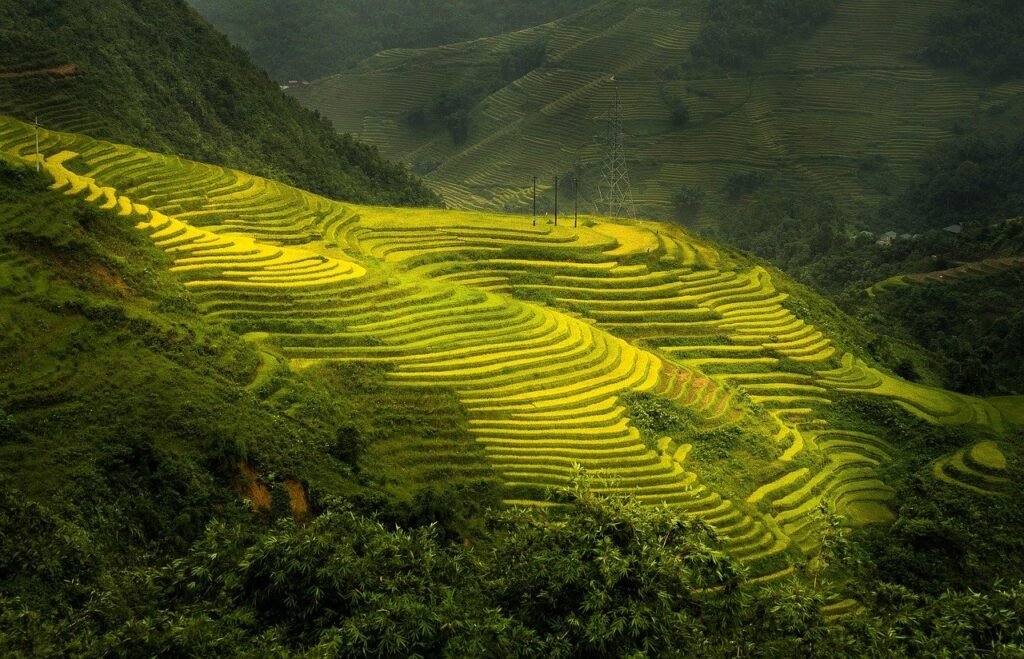
Sapa draws travelers for the combination of dramatic mountain scenery and genuine cultural contact — treks typically pass through Muong Hoa Valley villages where trekking is often guided by local women from H’mong or Dao communities, and homestay nights involve real interaction with a farming family rather than a staged performance. That’s the appeal, and it’s largely real.
The honest trade-offs: trails are frequently muddy, especially outside the driest months, and “trekking” here means uneven dirt paths with real elevation change, not paved walkways. Homestays are simple — shared rooms, mattresses on the floor, basic bathroom facilities — which suits travelers looking for an authentic experience but disappoints anyone expecting hotel-level comfort. Persistent, friendly selling of handicrafts by village vendors along the trail is common and can feel repetitive by the second day; declining politely and consistently works better than engaging at length. And Sapa town itself has grown considerably as a tourist base, so the peaceful mountain-village feeling is strongest once a trek moves beyond the town center into the valley.
Best Time to Go
Two windows stand out. September and October bring the rice harvest, when terraces turn a deep gold rather than green — considered by many repeat visitors to be the most visually striking season, though it draws the biggest crowds among photography-focused travelers. March through May offers clearer skies, comfortable daytime temperatures, and green (rather than golden or bare) terraces, with generally reliable trekking conditions.
Outside these windows, expect trade-offs: June through August is hot and humid with a higher chance of heavy rain and occasional typhoon-linked weather systems affecting the wider region, which can make trails slippery. November through March turns notably cold, particularly at night — average temperatures in Sapa run cooler than most of lowland Vietnam, and December through February can see near-freezing conditions and occasional fog that limits mountain views. The Tet holiday period (dates vary, typically late January or February) is worth avoiding for trekking specifically, since many homestays, guides, and restaurants close for the week regardless of weather.
How to Get There
Sapa sits roughly 300 km (185 miles) northwest of Hanoi, and there’s no airport in town, so every route starts from Hanoi. Three practical options:
**Overnight train to Lao Cai, then transfer.** Trains run overnight from Hanoi to Lao Cai, taking roughly 8–9 hours, followed by a road transfer of about an hour up to Sapa itself. This is the most comfortable overnight option and saves a hotel night, with berths generally running in the $35–60 range depending on class.
**Sleeper bus or shuttle van, direct to Sapa.** Direct buses and vans run straight into Sapa town, taking around 5–6 hours, and tend to be the most budget-friendly option, generally $12–25. These run both as daytime and overnight sleeper services.
**Private car.** Fastest and most flexible at roughly 4.5 hours, useful for travelers short on time or those who want to stop along the way, at a higher cost.
For a first trip, the overnight train followed by a short transfer tends to strike the best balance of comfort and cost, especially since it avoids losing a full daytime travel window.
Realistic USD Budget Estimate
Figures below reflect research recorded in the July 2026 planning notes and cover a typical 2–3 day / 1–2 night trekking package including guide, meals, and homestay, layered on top of transport to and from Hanoi.
**Budget tier (approx. $60–100 total for a 2-day/1-night trek):** Small group tour with a local guide, one homestay night, most meals included, budget bus transport to and from Hanoi.
**Mid-range tier (approx. $100–200 total for a 3-day/2-night trek):** Smaller group or semi-private tour, two homestay nights, all meals included, train transport with a private transfer, better-vetted guide agencies.
**Upscale tier (approx. $250–450+ total):** Private guide, a mix of homestay and a comfortable lodge or boutique hotel night in Sapa town itself, private transfer both ways, more curated village and trail selection.
Tipping guides and homestay hosts is customary and appreciated; a commonly cited range for guide tipping is roughly $4–8 per person per day, though this is a cultural norm rather than a fixed rule.
Fitness Level and Trail Difficulty
The classic beginner route follows the Muong Hoa Valley, generally considered moderate: distances of roughly 8–15 km (5–9 miles) per day, with sustained but not extreme elevation change, on dirt and sometimes muddy paths rather than technical terrain. No prior trekking experience is required, but reasonable day-to-day fitness matters — this isn’t a flat, paved walk, and several hours of continuous walking on uneven ground is more tiring than it looks in photos. Trekking poles are optional but genuinely useful for anyone unsteady on slippery slopes, particularly after rain.
A Realistic Itinerary for Beginners
**Day 1:** Arrive in Sapa town in the morning after an overnight train or bus, meet the guide, and begin trekking through the valley toward the first village, typically Lao Chai or Ta Van, with lunch along the trail. Afternoon trekking continues to the homestay village, arriving in time to help with dinner preparation, a common and genuinely welcomed part of the homestay experience.
**Day 2:** A full day of trekking through additional villages — routes commonly pass through communities like Giang Ta Chai or Ban Ho — with more sustained walking than day one. A second homestay night follows for 3-day itineraries, or a return transfer to Sapa town for 2-day trips.
**Day 3 (if applicable):** A shorter final morning trek back toward a road access point, followed by transfer back to Sapa town and onward transport to Hanoi.
Tip: booking through a smaller operator or one that caps group size (commonly around 6–10 people) tends to produce a noticeably better experience than large-group tours, both for trail crowding and for the quality of homestay interaction.
Where to Stay
**In Sapa town itself, for travelers not doing an overnight homestay, or for a comfortable night before or after the trek:** Sapa town has a full range of guesthouses, mid-range hotels, and a handful of higher-end lodges, most within walking distance of the town center and its viewpoints over the valley.
**In-village homestays, for the trekking nights themselves:** These are typically arranged directly through the trekking operator rather than booked independently, and vary in comfort level from very basic to reasonably well set up for tourism — asking a tour operator in advance what a specific homestay includes (hot water, Western-style toilet or squat toilet, shared vs. private space) helps set accurate expectations.
**For travelers wanting a slower pace with better views:** A few lodges sit outside Sapa town proper, closer to the valley, offering more scenic surroundings at the cost of easier access to restaurants and shops in town.
Packing Notes
Layering matters more than any single piece of gear, since temperatures shift meaningfully between morning, midday, and evening even within one season. A rain jacket is worth packing regardless of season, since mountain weather changes quickly. Sturdy, broken-in trail shoes or boots — not sandals or brand-new shoes — make a real difference on muddy or uneven sections. A headlamp or flashlight is useful for homestay nights, where lighting is often minimal. Cash in Vietnamese dong is important, since card payment is unreliable once outside Sapa town.
Safety and Common Mistakes
The most common mistake beginners make is underestimating trail conditions after rain — paths that look manageable can become genuinely slippery, and a fall on a terraced slope is a real risk, not a theoretical one. Booking with an unlicensed or unvetted freelance guide to save a small amount of money is a second common misstep; reputable local agencies and homestay networks generally provide better safety oversight and more reliable village relationships. Travelers should also be aware that persistent trail vendors, often children or elderly women from local villages selling handicrafts, are a normal and expected part of the experience — declining respectfully rather than ignoring them outright tends to go over better locally.
Basic travel insurance that covers trekking activities is worth confirming before departure, since standard policies don’t always include multi-day rural trekking as a covered activity.
FAQ
**Do I need to be an experienced hiker to trek in Sapa?** No. The standard beginner routes are moderate rather than technical, and guides set a pace appropriate for the group. Reasonable fitness and comfort walking several hours on uneven terrain are what matter most.
**Is the homestay experience safe and comfortable for solo travelers?** Generally yes, particularly through an established tour operator. Facilities are basic rather than luxurious — shared sleeping space, simple bathrooms — which is part of the experience rather than a shortfall, but it’s worth knowing in advance.
**How much English do trekking guides speak?** Most local guides working with tour operators speak conversational to good English, since guiding foreign trekkers is their primary work. Village hosts at homestays typically speak less English, and communication there tends to be simpler and more gesture-based.
**Is Sapa worth visiting outside the September–October and March–May windows?** It’s possible, but conditions are less favorable — colder and foggier in winter, wetter and more humid in summer. Travelers with flexible dates generally get a better experience prioritizing the two recommended windows.
**Can I do a day trip to Sapa without an overnight trek?** Technically yes, but given the travel time from Hanoi, a day trip leaves very little time in Sapa itself. Most travelers find at least one overnight, whether in a homestay or in Sapa town, makes the travel time worthwhile.
**What should I do with my main luggage during the trek?** Most hotels in Sapa town or Hanoi will store extra luggage while trekking with just a daypack, since homestays have limited space and trails aren’t suited to full suitcases or large packs.
Next Step
Before booking, it’s worth reading a few recent traveler accounts of a specific route or operator to confirm current trail conditions and homestay standards, since these details shift from season to season. Matching trek length and season to personal fitness and weather tolerance, rather than picking the most photographed itinerary, tends to produce the better trip.
—
Related Travytour guides
- [Ha Giang Loop Guide for Beginners: What to Know Before You Ride](/ha-giang-loop-guide-beginners/)
- [Hanoi or Ho Chi Minh City First? How to Decide Where to Start Your Vietnam Trip](/hanoi-or-ho-chi-minh-city-first/)
- [Where to Stay in Bangkok: A Neighborhood Guide for First-Time Visitors](/where-to-stay-in-bangkok-neighborhood-guide/)