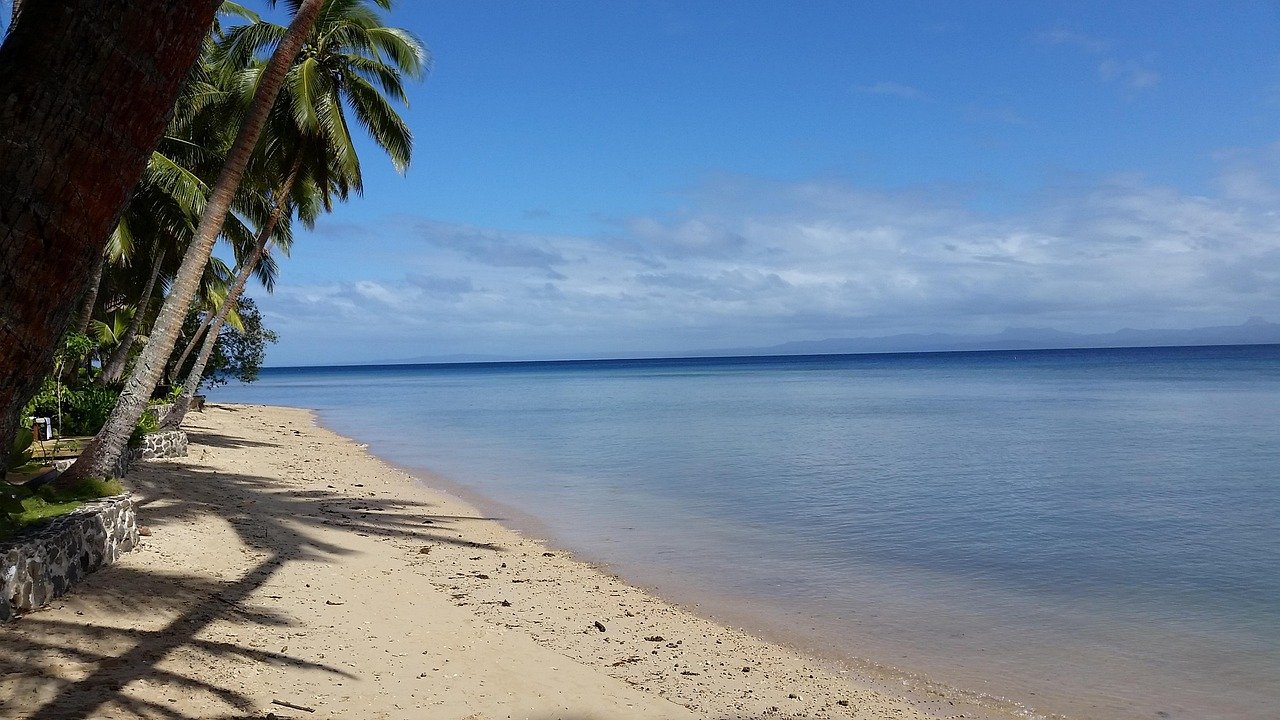
Fiji’s tourism marketing leans heavily on all-inclusive resorts and pre-packaged island transfers, which can make independent travel feel like it’s not really an option. It is — the Yasawa and Mamanuca island chains in particular are set up for travelers moving between islands on their own schedule, using scheduled passenger catamarans rather than private resort transfers. This isn’t the same as backpacking Southeast Asia’s islands, though; Fiji’s independent travel infrastructure is real but narrower, concentrated on a few well-served routes, with far more limited options once you move beyond the main tourist chain. Here’s an honest assessment of what island-hopping without a tour actually involves, and where it makes more sense to book a package instead.
Why Independent Island-Hopping Is Worth Considering (and the Trade-Offs)
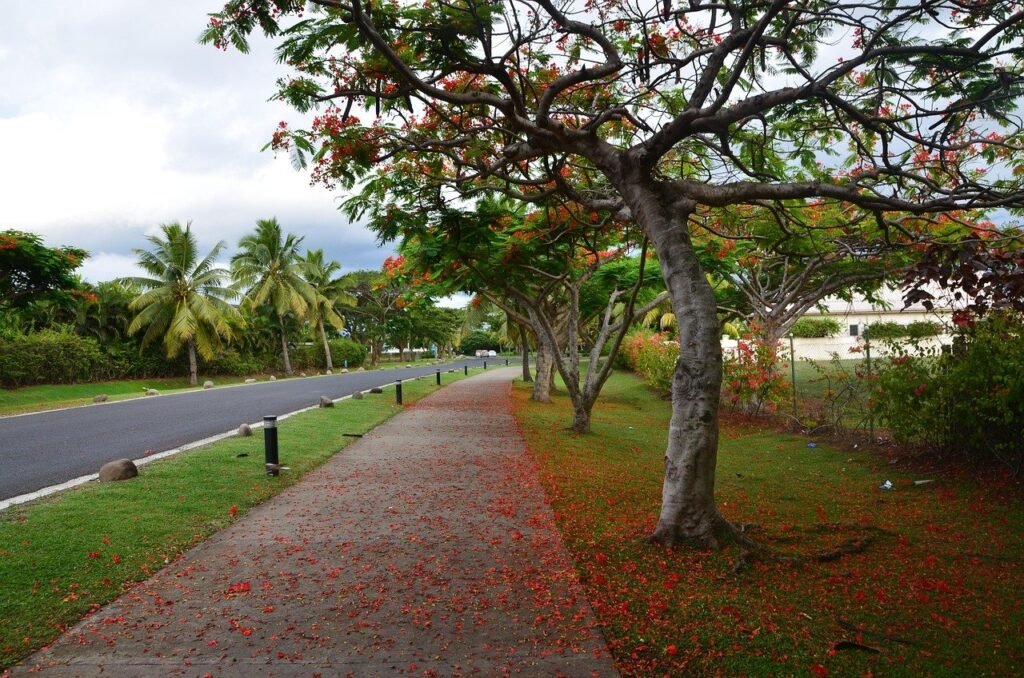
The appeal is straightforward: independent travel lets you set your own pace, choose your own accommodation mix (from backpacker dorms to mid-range beachfront bungalows), and skip islands that don’t interest you rather than following a fixed package itinerary. Fiji’s Yasawa Islands, in particular, are built around exactly this kind of flexible, hop-on-hop-off travel via a single well-established ferry route.
The trade-offs are worth being honest about. Scheduling is less flexible than it might sound — the main interisland ferry serving the Yasawas typically runs once daily in each direction, which means your itinerary is built around a single boat’s timetable, not spontaneous island-changing. Weather (particularly during cyclone season) can disrupt sailings with little notice. And once you move beyond the Yasawas and Mamanucas to Fiji’s other island groups — Vanua Levu, Taveuni, the Lau Group — independent transport options thin out considerably, relying on smaller ferries and domestic flights with less tourist-oriented scheduling and information.
Is It Safe?
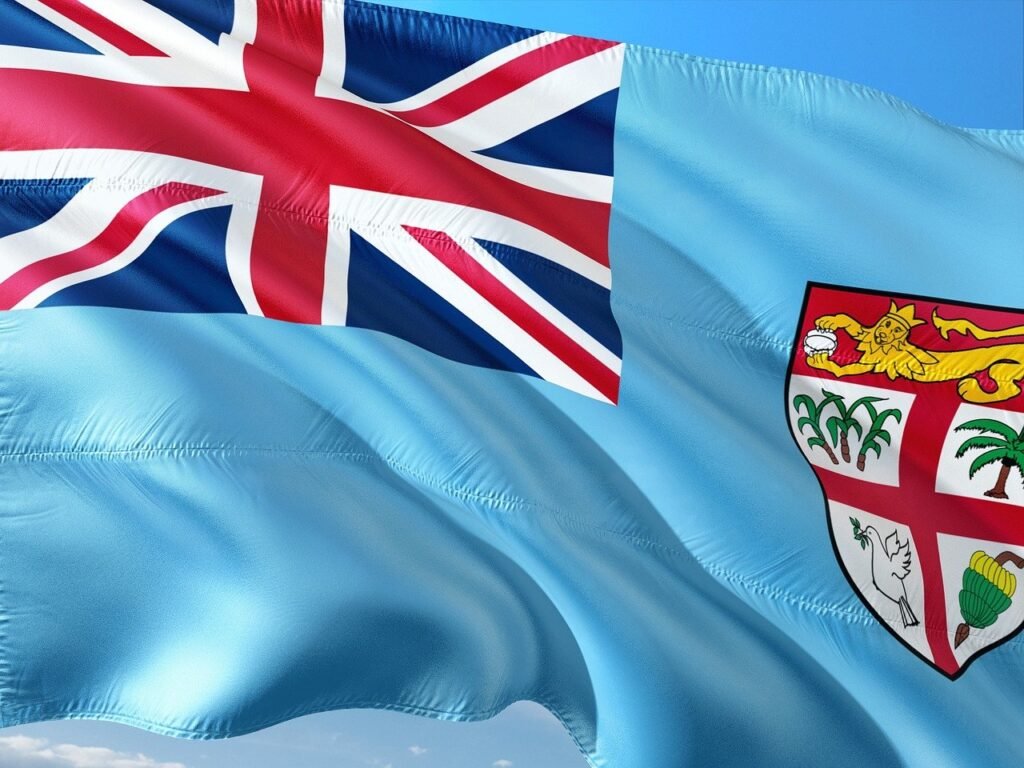
Fiji is generally considered a safe destination for independent travelers, including solo travelers, by the standards of most Western government travel advisories, with violent crime against tourists uncommon. That said, “safe” doesn’t mean “risk-free,” and a few specific, practical safety considerations matter more here than in many other island destinations:
Ocean and boat safety: Interisland ferries and smaller boat transfers operate in open water, and conditions can change quickly. Confirm any operator has appropriate safety equipment and follows standard maritime safety practice; this is generally not a concern with the main established operators serving the Yasawas but is worth more scrutiny with smaller, informal boat charters.
Rip currents and reef hazards: Fiji’s beaches and reefs are beautiful but not uniformly beginner-friendly for swimming and snorkeling — some outer-reef areas have strong currents. Follow local advice on where it’s safe to swim at each specific island, since conditions vary significantly between resorts and villages.
Cyclone season: Fiji’s cyclone season runs roughly November through April, with the risk concentrated December through March. Independent travelers are more exposed to schedule disruption during this window than package travelers with a tour operator managing contingencies, since a cancelled ferry sailing is your problem to solve, not a company’s.
Village etiquette and respect: Many islands include villages that are not tourist attractions but functioning communities. Basic cultural courtesies — dressing modestly when visiting a village, removing hats, and not wearing swimwear away from the beach — matter more in Fiji’s outer islands than at a resort, and getting this wrong is a common source of unintentional offense, not danger, but worth taking seriously.
Overall, the safety profile of independent island-hopping in Fiji is closer to “manageable with reasonable preparation” than “genuinely risky,” but it does require more self-sufficiency and flexibility than a guided package trip.
Best Time to Go
Fiji’s dry season, roughly May through October, is the most reliable window for independent island-hopping: lower humidity, less rain, and the lowest cyclone risk. This is also peak tourist season, so ferries and popular accommodation get busier and pricier, particularly around July and August.
The wet season (November–April) brings higher humidity, more frequent rain, and the cyclone risk noted above, but also lower prices and thinner crowds. Shoulder months — May, June, September, and October — often deliver a strong balance of good weather and manageable costs, particularly for travelers prioritizing budget flexibility over guaranteed dry days.
How to Get There and Logistics
Most international visitors fly into Nadi International Airport on the main island of Viti Levu, which is also the gateway to Port Denarau, the departure point for the main Yasawa and Mamanuca island ferries.
Entry requirements: Many Western passport holders, including from the US, Canada, UK, Australia, and most EU countries, can enter Fiji visa-free for a set period on arrival. Confirm your passport’s validity requirements (typically at least six months beyond your departure date) and have proof of onward travel ready, as is standard for most Pacific island entry.
Getting to the Yasawas and Mamanucas from Nadi: The main option is a passenger catamaran service running daily from Port Denarau, stopping at numerous islands along the Yasawa chain on a fixed route. Many independent travelers use a multi-day “hop-on-hop-off” pass that allows boarding and disembarking at different islands over a set validity window, rather than buying single-leg tickets for each hop.
Getting between other island groups: Beyond the Yasawas and Mamanucas, transport options shift toward smaller passenger/vehicle ferries (serving Vanua Levu, Fiji’s second-largest island) and short domestic flights on Fiji’s regional carrier (serving Taveuni, Savusavu, and more remote outer islands like the Lau Group). These options exist and are used by locals and independent travelers alike, but require more planning, flexibility, and tolerance for schedule changes than the well-oiled Yasawa ferry route.
Realistic budget estimate
Figures below are per-person daily estimates in USD, based on general current Fiji travel cost patterns, and should be treated as planning ranges.
Budget tier (roughly $60–100/day): Dorm beds or budget bure (traditional-style bungalow) accommodation on backpacker-oriented islands in the Yasawas, meals included in many budget island stays (common practice at smaller island properties), and ferry passes rather than private transfers.
Mid-range tier (roughly $130–220/day): Private bure or beachfront room at a mid-range island resort, a mix of included and à la carte meals, snorkeling or day-trip excursions booked locally, and the standard ferry pass for interisland movement.
Upscale tier (roughly $280–500+/day): Higher-end resort accommodation (often on private or semi-private islands), full board or fine dining, private boat transfers instead of the shared ferry, and add-ons like diving certification courses or spa treatments.
Independent island-hopping tends to save the most money at the budget and lower mid-range tiers, where the price gap between a shared ferry pass and a private resort transfer is largest. At the upscale end, many travelers opt for private transfers regardless, narrowing the cost advantage of going fully independent.
Practical Island-Hopping Route (Yasawas Example)
A common independent structure for a 7 to 10 day trip:
Days 1–2: Mamanuca Islands. Closer to Nadi, with shorter boat transfers, making this a practical, low-effort start to acclimatize before heading further out.
Days 3–7: Yasawa Islands, moving progressively north. Using the hop-on-hop-off ferry pass, choose two to three islands to overnight at rather than trying to hit every stop — the appeal here is slowing down, snorkeling, and village visits, not covering maximum ground. Popular stops include islands known for the Blue Lagoon area in the northern Yasawas and others with strong reef snorkeling near the southern end of the chain.
Days 8–9 (optional): Return via a different island than your outbound stops, using the flexibility of the hop-on-hop-off pass to see somewhere new on the way back to Port Denarau.
Tip: Because the main ferry generally runs once per day in each direction, plan your minimum overnight stay at each island around that single daily departure — arriving on the morning boat and trying to leave on the same day’s return boat usually isn’t possible.
Where to Stay by Traveler Type
Solo and budget travelers: Backpacker-oriented islands within the Yasawa chain offer dorm and budget bure options with a social, communal atmosphere, often including meals as part of the standard rate — a practical model when you’re island-hopping and don’t want to hunt for restaurants at each stop.
Couples and mid-range travelers: A mix of one or two islands with a private bure and a slightly more resort-style island (with a pool, spa, or dive shop) balances the backpacker energy with more comfort and privacy.
Families: A smaller number of longer stays, rather than frequent island changes, tends to work better with children — look for islands and resorts specifically noting family-friendly facilities, since not all Yasawa properties are set up for young kids.
Common Mistakes
Overpacking the itinerary. The single most common mistake is trying to visit too many islands in too few days, given the once-daily ferry schedule. Two or three islands over a week, each with a proper stay of two or more nights, generally produces a better trip than a rushed six-island dash.
Not booking accommodation ahead in peak season. Popular budget-friendly islands can sell out during July and August; while spontaneity is part of the independent-travel appeal, some advance booking (even loosely) avoids arriving somewhere with no beds available.
Underestimating cash needs. Card payment isn’t universal on smaller islands, and ATMs are limited outside Nadi and Suva. Carry sufficient Fijian dollars for several days at a time.
Ignoring cyclone-season trip insurance. If traveling in the wet season, travel insurance that specifically covers weather-related cancellations is worth the cost given the independent traveler’s greater exposure to schedule disruption.
FAQ
Do I need to speak Fijian or Fiji Hindi to get around? No — English is an official language of Fiji and is widely spoken, especially in tourist areas and on the main ferry routes.
Is the water safe to drink? Tap water in Nadi, Suva, and most resort areas is generally treated and safe, but on smaller outer islands, bottled or filtered water is the more reliable choice. Confirm locally at each stop.
Can I island-hop Fiji on a tight budget, or does it require a mid-range spend minimum? It’s genuinely possible on a budget, particularly in the Yasawas, where backpacker-oriented bure accommodation with meals included keeps daily costs manageable. The ferry pass system is also generally less expensive than private transfers.
Is it better to book everything before I arrive, or figure it out once I’m in Fiji? A hybrid approach tends to work best: book your ferry pass and at least your first one or two nights of accommodation in advance, then decide the rest once you have a feel for the pace you want.
How much of Fiji can I realistically see independently? The Yasawas and Mamanucas are the most realistic independent island-hopping region. Fiji’s other island groups are reachable independently too, but require more planning, local knowledge, and schedule flexibility than most short first-time trips accommodate.
Is it safe for solo female travelers? Fiji is generally considered a reasonably safe destination for solo female travelers by most standard international travel advisories, with the same general precautions (trusted transport, awareness in unfamiliar areas after dark) that apply broadly across independent travel destinations.
Related Travytour guides
- Travytour Trip Budget Calculator
- All Travytour Travel Guides
- Milford Sound Day Cruise or Overnight: An Honest Comparison
Conclusion
Independent island-hopping in Fiji is genuinely achievable, particularly across the Yasawas and Mamanucas, and it can be a more flexible, often more affordable way to experience the islands than a fixed package. It does ask more of you than a guided trip — planning around a single daily ferry, carrying enough cash, and building in weather buffers, especially outside the dry season. If that trade-off sounds manageable, it’s worth mapping out a rough route before you book flights; if it sounds like more logistics than you want to manage on a first Pacific trip, a partially guided or resort-based itinerary remains a reasonable, non-embarrassing choice.
Keep planning
- More Fiji guides on Travytour
- Estimate your own trip cost with the Travytour budget calculator
- Browse all Travytour travel guides