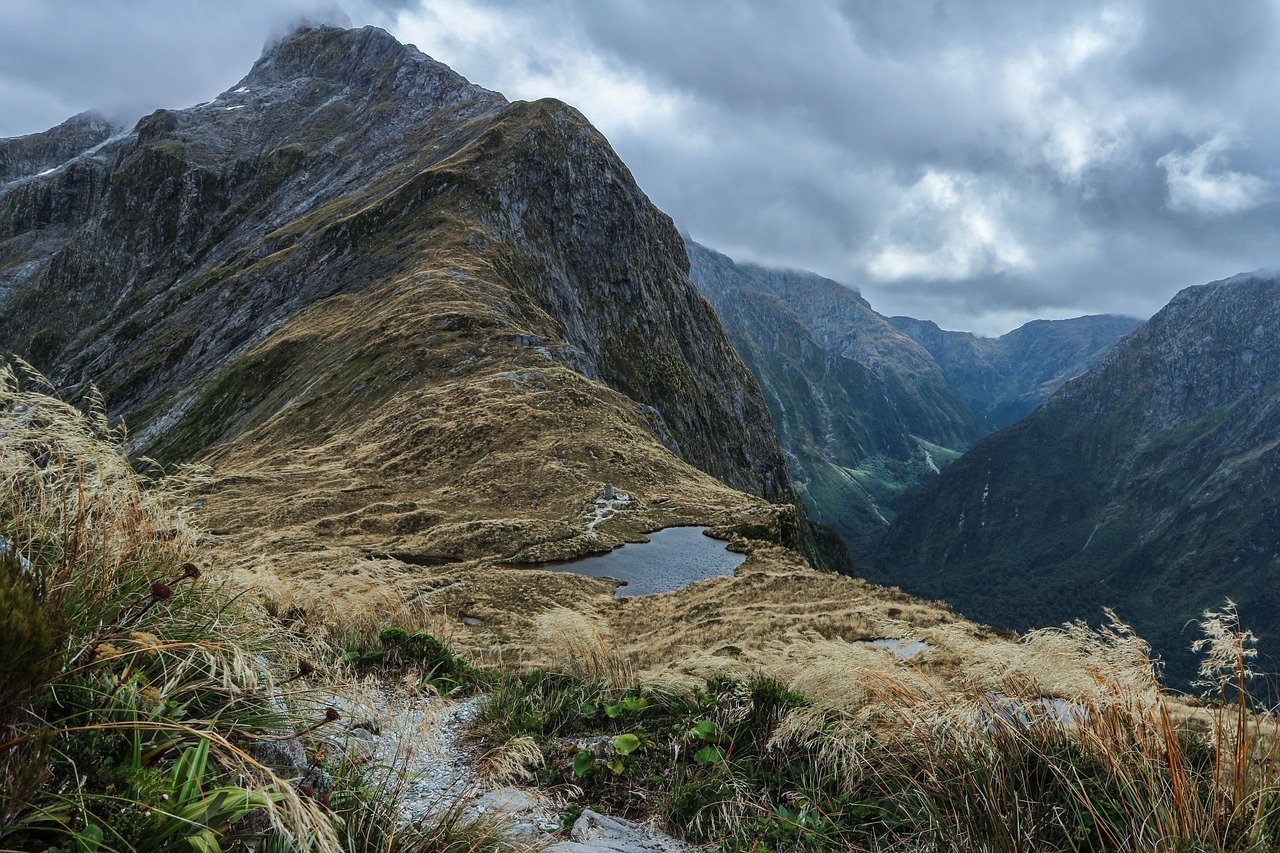
Milford Sound gets photographed so often that it’s easy to assume any visit will look the same. It won’t. Whether you spend two hours on the water or a full night anchored beneath Mitre Peak changes what you actually experience — the wildlife you’re likely to see, the light you’ll photograph, and how rushed or unhurried the whole thing feels. Both options are legitimate ways to see one of New Zealand’s most photographed landscapes; they’re just different trips wearing the same destination.
This comparison lays out what each cruise style involves, who tends to prefer which, and the trade-offs that don’t always make it into the marketing copy.
Why this decision is worth thinking through
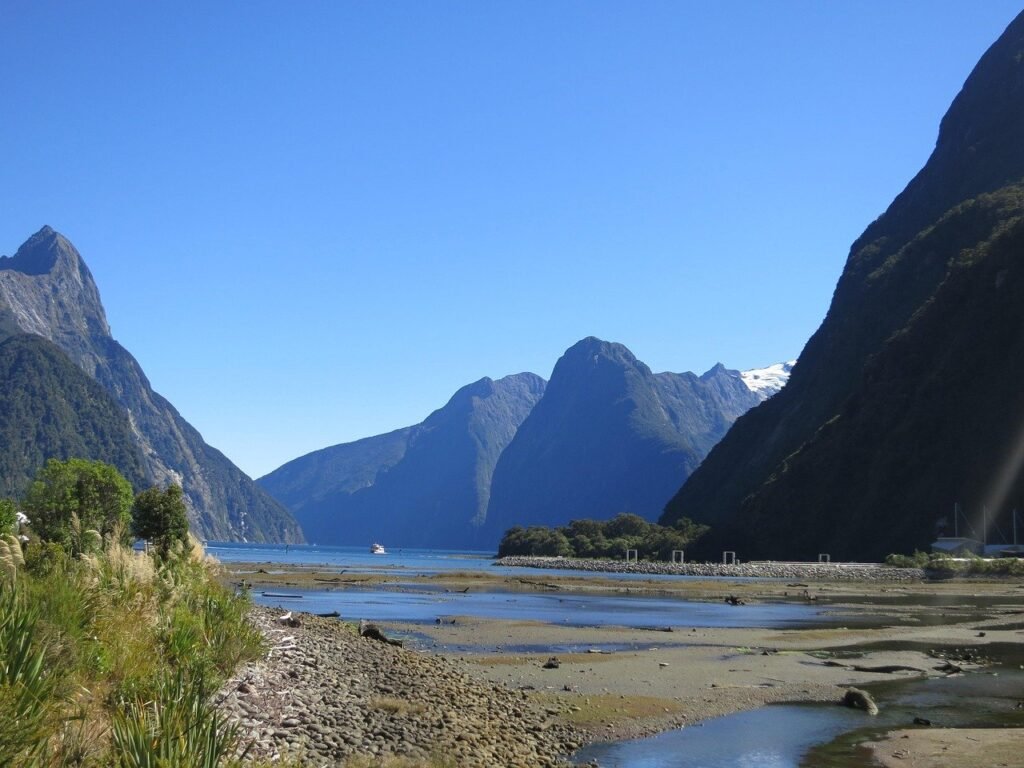
Milford Sound (Piopiotahi) sits inside Fiordland National Park on the South Island’s remote southwest coast, reached via a scenic but sometimes weather-affected road from Te Anau. Because getting there takes real effort — most visitors are looking at two to four-plus hours of driving each way from Queenstown or Te Anau — the choice between a day cruise and an overnight cruise isn’t trivial. It shapes your whole day (or two), your budget, and whether Milford ends up as a quick stop or a genuine highlight of the trip.
The day cruise: what it actually involves
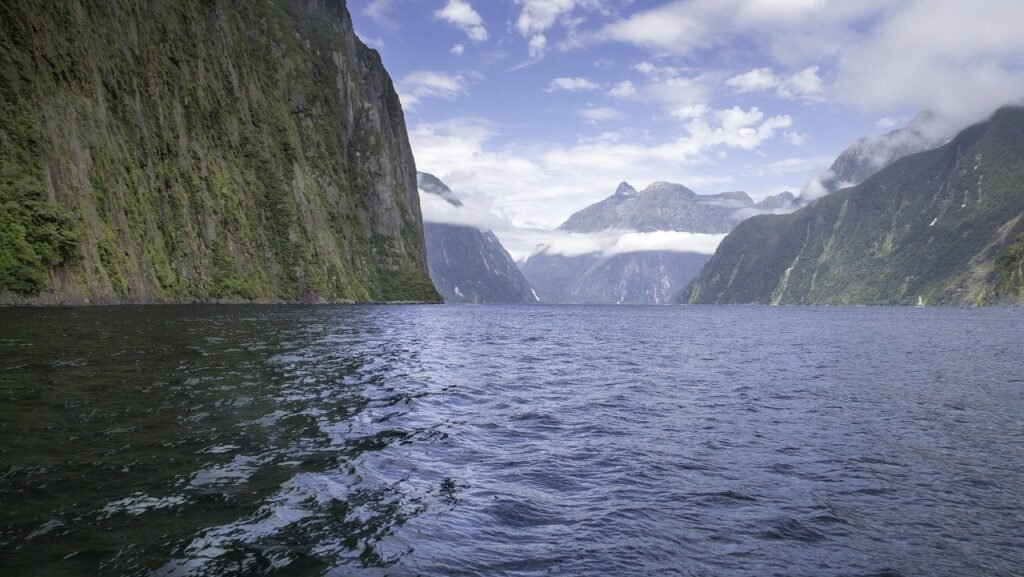
A day cruise typically runs about two hours on the water, departing from Milford Sound’s small harbor. Multiple operators run scheduled sailings throughout the day, generally between mid-morning and mid-afternoon, with some offering a nature-focused smaller vessel option alongside larger standard cruises.
On a day cruise, you’ll typically pass beneath or near Mitre Peak, Stirling Falls, and (weather and conditions permitting) Bowen Falls, with a reasonable chance of spotting fur seals on the rocks near the fjord’s entrance to the Tasman Sea. Dolphins and penguins are possible but not guaranteed. Most day-cruise visitors combine the boat trip with the drive from Queenstown or Te Anau as a single long day, often as part of a coach tour package that includes stops at Mirror Lakes and the Homer Tunnel along the way.
What you get: the core visual experience of the fjord — the scale of the cliffs, the waterfalls, Mitre Peak — in a tight, efficient window that fits into a broader South Island itinerary without requiring an extra overnight stay.
What you don’t get: golden-hour light (cruises run during the brightest, flattest part of the day), the quieter wildlife activity that tends to happen at dawn and dusk, and the sense of having the fjord to yourself, since day cruises share the water with several other boats at once.
The overnight cruise: what it actually involves
Overnight cruises — Milford Sound’s best-known operator markets its overnight vessel as the Milford Mariner, styled after historic trading scows — depart in the late afternoon and spend the night anchored in a quiet arm of the fjord, returning the following morning.
The itinerary usually includes cruising further into the fjord than day boats manage, an included dinner and breakfast, and often optional activities like kayaking or a smaller tender-boat excursion to get closer to waterfalls and wildlife. Cabins range from shared bunk-style rooms to private ensuite cabins, with pricing scaling accordingly.
The headline advantage is time and light: overnight guests see Milford Sound at sunset, after the day-trippers have left, and again at sunrise, when the fjord is typically at its calmest and wildlife (particularly penguins and dolphins near dawn) is more active. Many past guests describe the evening quiet — after the tour boats clear out — as the most memorable part of the experience.
What you get: a slower, more atmospheric encounter with the fjord, better light for photography, a genuine chance at penguin and dolphin sightings, and a meaningfully different pace than a rushed day trip.
What you don’t get: flexibility — you’re committed to a full overnight stay with a fixed schedule, shared common spaces with other guests, and a higher price point. Cabins on older or standard vessels can also be compact, which matters for travelers sensitive to tight quarters.
Honest trade-offs, side by side
| Factor | Day cruise | Overnight cruise |
|---|---|---|
| Time commitment | ~2 hours on water, fits into a day trip | Afternoon to next morning |
| Cost | Lower | Meaningfully higher, includes meals and cabin |
| Light and atmosphere | Midday, often flat | Sunset and sunrise, often best light |
| Wildlife odds | Moderate (seals reliable, dolphins/penguins possible) | Higher, especially dawn/dusk |
| Crowds | Shared with several other boats | Quieter after day boats leave |
| Flexibility | Easy to combine with a broader day itinerary | Requires committing a full overnight slot |
| Best for | Time-limited travelers, tight itineraries, budget-conscious trips | Photographers, slower-paced trips, special occasions |
Best time to go
Fiordland has a reputation for rain, and that reputation is earned — Milford Sound is one of the wettest inhabited places in New Zealand, which is part of why its waterfalls are so dramatic. Rain doesn’t ruin the experience; if anything, heavy rain often produces spectacular temporary waterfalls cascading down the cliff faces. Fog and low cloud, more than rain itself, are what most affect visibility.
Peak season runs roughly November through March (New Zealand’s summer), when days are longest and the Milford Road sees the heaviest traffic. Shoulder months (April–May and September–October) tend to have fewer crowds and reasonable weather odds. Winter (June–August) is quieter still, but the Milford Road can require snow chains or face temporary closures due to avalanche risk, and some overnight cruise availability may be reduced.
How to get there and logistics
Milford Sound is not close to anywhere with hotel infrastructure. Most travelers base themselves in Te Anau (about 120 km / roughly 2 hours’ drive from Milford) or Queenstown (about 290 km / roughly 4–5 hours’ drive one-way). The Milford Road (State Highway 94) is one of New Zealand’s most scenic drives, passing Mirror Lakes, the Eglinton Valley, and through the Homer Tunnel, but it is also subject to avalanche closures and can require chains in winter.
Given the distance, a day cruise from Queenstown typically means an early departure and a long day — often 11 to 13 hours round-trip including the cruise itself. Basing in Te Anau the night before cuts that significantly. An overnight cruise absorbs that long transfer day into the itinerary naturally, since you’re staying out on the water rather than driving back the same evening.
Coach tours that include return transport, guiding along the drive, and the cruise itself are a popular way to do the day-trip version without self-driving the Milford Road, which some travelers find long and occasionally nerve-wracking in poor weather. Scenic flights from Queenstown are also available for travelers short on time, combining an aerial view of Fiordland with a shorter cruise, though this is a different (and pricier) experience entirely.
Realistic budget estimate (USD, per person, As checked on September 2, 2026)
- Budget tier — day cruise: roughly $70–100 for the cruise itself; add $30–60 for a self-drive day, or $120–180 for an included coach tour from Queenstown or Te Anau.
- Mid-range tier — overnight cruise, shared or standard cabin: roughly $250–400, typically including dinner, breakfast, and a shared or basic private cabin.
- Upscale tier — overnight cruise, premium ensuite cabin: roughly $450–700+, for larger private cabins with better views and amenities.
These are general planning estimates, not confirmed current rates.
Top tips for either option
- Book Milford Sound activities early in your South Island itinerary rather than on your last available day, so a weather-related delay doesn’t derail your whole trip.
- Pack a real rain layer regardless of season — Fiordland’s weather changes quickly, and being dry matters more than the forecast.
- If choosing a day cruise, ask about smaller nature-cruise options versus larger standard vessels; smaller boats often get closer to wildlife and waterfalls.
- If choosing overnight, ask specifically about cabin type and whether it’s shared or ensuite before booking, since standard bunk rooms and premium cabins are priced very differently.
- Bring layers even in summer; it’s noticeably cooler and windier on the water than on the drive in.
Where to stay by traveler type
Day-trip travelers based in Queenstown: Queenstown offers the widest range of accommodation and the most flexibility for combining Milford with other activities, at the cost of a long transfer day.
Travelers wanting to minimize driving: Te Anau is the practical choice — a smaller, quieter town positioned close enough to Milford to make an early cruise departure manageable without a pre-dawn start from Queenstown.
Overnight cruise guests: Since accommodation is the boat itself, plan your land-based stay for the night before and after in Te Anau, which sits closest to the Milford Road and minimizes additional driving around the cruise.
Safety, packing, and common mistakes
Fiordland’s sandflies are a genuine nuisance rather than a minor annoyance — insect repellent is worth packing regardless of season. The Milford Road can close with little notice due to weather or avalanche risk in winter and shoulder seasons, so travelers with tight onward connections should build in a buffer day if possible. A common mistake is underestimating drive time on the Milford Road; it’s slower and more winding than the map distance suggests, with plenty of one-lane sections and photo-stop temptations along the way.
FAQ
Which is more worth the money, a day cruise or an overnight cruise? It depends on priorities. A day cruise delivers the core visual experience efficiently and affordably; an overnight cruise adds meaningfully better light, quieter water, and higher wildlife odds, at a noticeably higher price and time commitment.
Is Milford Sound worth visiting if the weather forecast looks bad? Generally yes — rain often intensifies the waterfalls, and Fiordland’s weather can clear quickly. Fog and very low cloud are the bigger concern for visibility, more than rain itself.
How far in advance should I book a cruise? During peak summer months (December–February), popular cruise times and overnight cabins can sell out weeks ahead, so booking a month or more in advance is a reasonable rule of thumb.
Can I drive myself to Milford Sound, or do I need a tour? Self-driving is common and doable in a standard rental car in good conditions, but many travelers prefer a coach tour to avoid driving the winding road themselves, especially in winter or after a long flight.
Is an overnight cruise appropriate for families with young children? It can work, but shared common areas, early wake-ups for sunrise viewing, and compact cabins are worth considering for families with very young kids; a day cruise may suit that group better.
Do I need a passport-style visa or entry document to visit Milford Sound as part of a New Zealand trip? Most visitors from visa-waiver countries need to apply for an NZeTA before arrival, in addition to standard passport requirements.
Next Step
Before booking, map out your South Island route and place Milford Sound early enough in the itinerary that a weather delay or road closure has room to resolve — it’s the single factor most likely to affect whichever cruise style you choose.
Related Travytour guides
Keep planning
- More Milford Sound guides on Travytour
- Estimate your own trip cost with the Travytour budget calculator
- Browse all Travytour travel guides