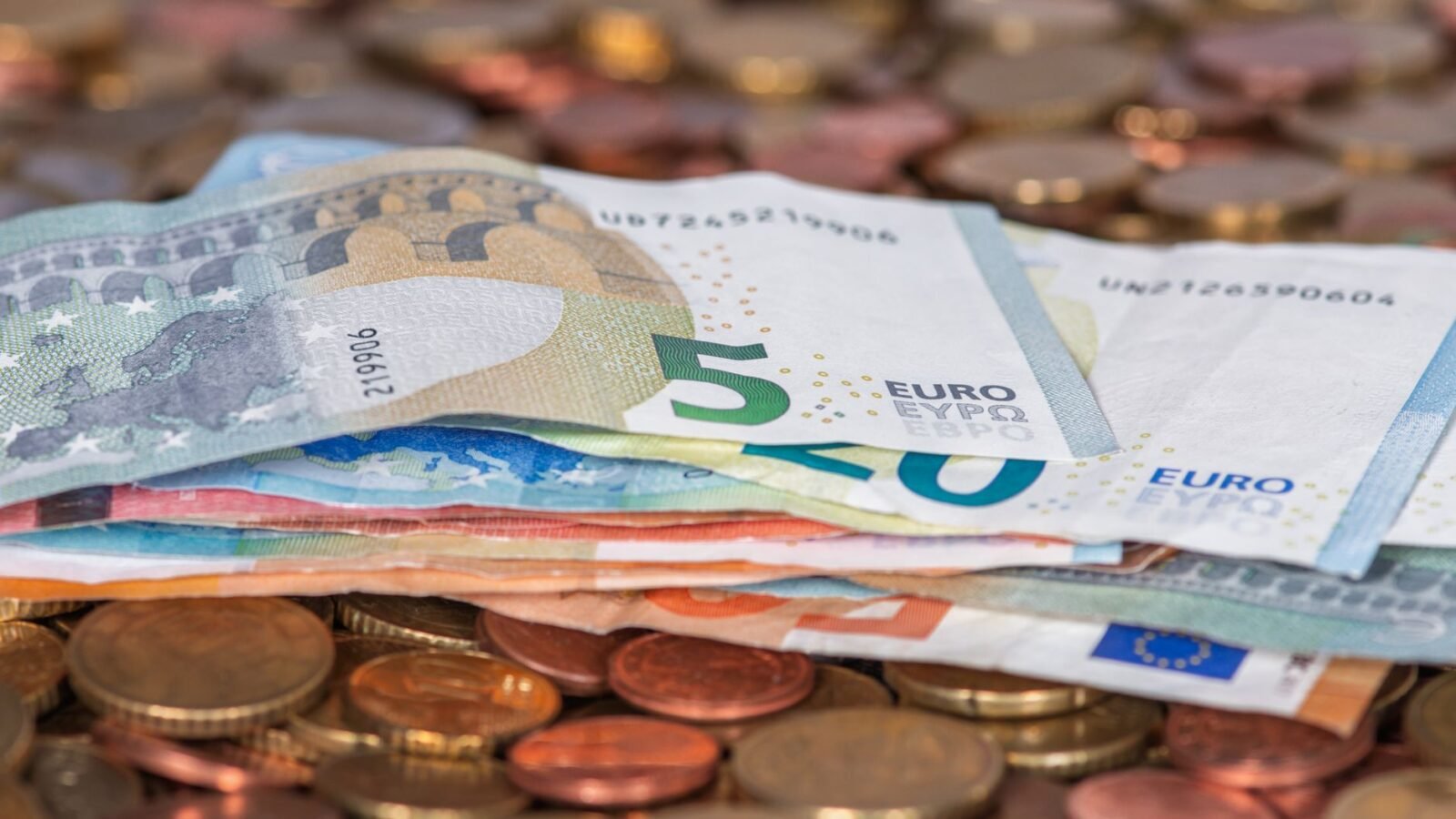
The most expensive mistake on many trips isn’t a splurge dinner or a pricier hotel room — it’s quietly losing money on every single currency transaction without realizing it. Poor exchange rates, hidden conversion fees, and a handful of well-worn tourist traps can add up to a meaningful percentage of a travel budget, and most of it is avoidable with a little preparation. This guide covers how currency exchange actually works, where travelers commonly lose money without noticing, and the habits that keep more of your budget going toward the trip itself.
Why This Matters More Than Travelers Expect
Currency exchange feels like a background detail compared to booking flights or choosing a hotel, but the cumulative effect of small percentage losses across dozens of transactions over a trip is easy to underestimate. A few percentage points lost on every meal, souvenir, and cash withdrawal compounds quickly, and unlike a single bad purchase, a poor currency exchange strategy affects literally every transaction of the trip. The good news is that avoiding the worst of it doesn’t require currency trading expertise — mostly it requires knowing where the traps are and avoiding a handful of specific situations.
How Currency Exchange Actually Works
Every currency conversion involves two components: the underlying exchange rate and a markup or fee added on top by whoever is handling the conversion. The “real” exchange rate — the one you see quoted in financial news or on rate-comparison sites — is the interbank rate, which individual travelers essentially never get access to directly. Banks, ATMs, currency exchange kiosks, and card networks all add their own margin on top of that rate, and the size of that margin is where most of the meaningful differences between good and bad currency exchange options come from.
Understanding this distinction matters because it explains why two options can both claim “no fees” and still cost very different amounts — one might have no visible fee but a poor exchange rate baked in, while the other has a small visible fee but passes through a rate close to the real interbank rate.
A Step-by-Step Approach to Handling Money Abroad
1. Check whether your bank or card issuer wants a travel notice. Some issuers still recommend one; others rely on automated fraud controls and no longer use manual travel notifications. Check the issuer’s current app/help page before departure, keep your contact details current, and make sure you can receive security prompts abroad.
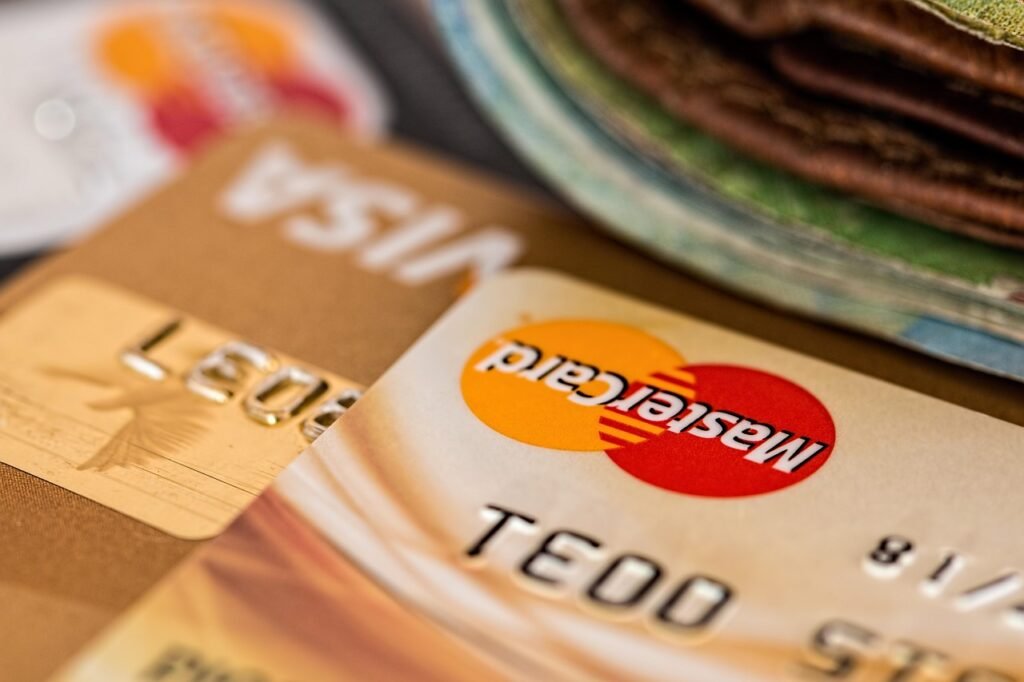
2. Check your card’s foreign transaction fee policy before you leave. Many travel-oriented credit cards charge no foreign transaction fee, while many standard cards charge a percentage on every foreign purchase. This is one of the most consequential fees to check in advance, since it applies to every card purchase for the entire trip.
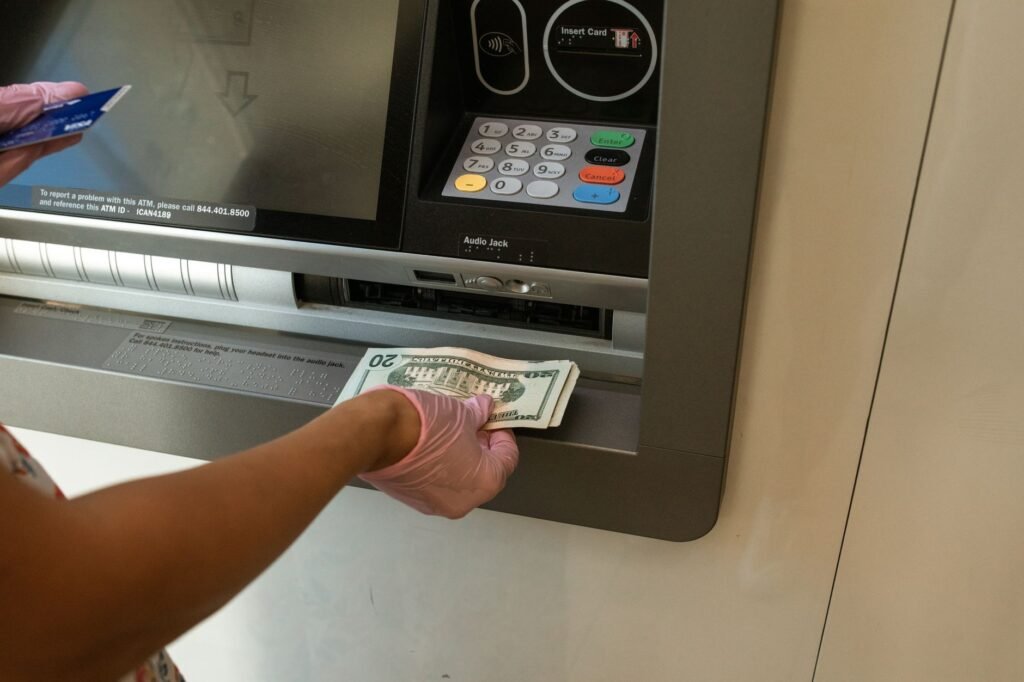
3. Withdraw cash from ATMs rather than exchanging cash at kiosks, when possible. ATM withdrawals, particularly from major banks in your destination country, generally offer exchange rates closer to the real interbank rate than currency exchange counters do. This is one of the most consistently cited pieces of practical travel-money advice among experienced travelers, though it’s still worth checking your own bank’s foreign ATM withdrawal fee before relying on this as your primary strategy.
4. Avoid airport and hotel currency exchange counters for anything beyond a small emergency amount. These locations have a well-established reputation for offering some of the least favorable rates and highest fees, largely because they serve a literally captive audience with limited alternatives at the moment of a flight arrival or hotel check-in.
5. Always decline “dynamic currency conversion” when offered. When paying by card abroad, some merchants and ATMs offer to charge you in your home currency instead of the local currency, often framed as a convenience (“would you like to pay in US dollars?”). This uses a merchant/ATM conversion offer with its own disclosed rate and any applicable markup/fees; it is usually better to compare that offer with paying in local currency and letting your card issuer/network perform the conversion, and it’s one of the more common ways travelers unknowingly lose money on card transactions. Always choose to pay in the local currency when given the option.
6. Carry a modest amount of local cash for arrival, but don’t over-rely on cash. Having enough local currency for a taxi, a meal, or incidentals upon arrival — before you’ve had a chance to find a good ATM — is sensible. Carrying large amounts of cash for an entire trip is generally neither necessary nor advisable in most destinations with reasonable card and ATM infrastructure.
7. Compare a couple of options before committing to a larger exchange, if you do need to exchange a meaningful amount of cash. Rates can vary noticeably between providers even within the same city, and a quick comparison — bank branches, reputable exchange offices away from tourist centers, or your home bank’s pre-trip exchange service — is worth the few minutes it takes.
Actionable Tips
- Use a no-foreign-transaction-fee card for purchases wherever cards are accepted, and reserve cash for places that don’t take cards.
- Withdraw larger amounts less frequently rather than many small withdrawals, if your ATM fee is a flat amount rather than a percentage — this reduces the number of times you pay that fee.
- Keep a small cash reserve in a separate location from your primary wallet as a backup, not as your main spending method.
- Check the display rate carefully at any point of sale that asks “charge in USD or local currency” and default to local currency unless you have compared the disclosed DCC rate/fees and have a specific reason to accept the home-currency offer.
- Research your destination’s cash-versus-card culture before you go — some destinations remain heavily cash-based for smaller vendors and markets, while others are almost entirely card- or app-based.
- Keep a record of your starting balances and card notifications active so you can catch any unusual charges quickly while still traveling, rather than discovering them after the fact.
Common Mistakes to Avoid
Exchanging a large amount of cash at the airport on arrival. This is consistently one of the worst-value currency exchange options and should be limited to a small emergency amount at most.
Accepting dynamic currency conversion without realizing what’s being offered. The framing (“pay in your home currency for convenience”) makes it sound helpful; the actual effect is usually a worse rate.
Not checking a card’s foreign transaction fee before departure. This is easy to verify in a few minutes and affects every card purchase made abroad for the duration of the trip.
Carrying too much cash out of an old habit or unfounded worry. In most well-developed tourist destinations, card and ATM infrastructure is reliable enough that large cash reserves add risk (loss, theft) without much practical benefit.
Assuming every issuer handles travel notices the same way. Check your own bank’s current policy and make sure its fraud-alert contact details for you are current.
Assuming all “no fee” options are actually free. A missing visible fee doesn’t mean a favorable rate — the cost can simply be built into a worse exchange rate instead.
Frequently Asked Questions
Is it better to exchange currency before I leave or after I arrive? Generally, ATM withdrawals after arrival (using a low-fee card) offer better rates than exchanging currency at your home bank or airport before departure. It’s reasonable to arrive with a small amount of local cash already in hand — often obtainable from your home bank or an airport ATM on arrival — for immediate needs, while planning to use ATMs or cards for the bulk of your spending.
What is dynamic currency conversion, and why should I avoid it? It’s an option, usually offered at the point of sale or an ATM abroad, to have a transaction charged in your home currency instead of the local one. It’s typically framed as a convenience but generally applies a less favorable exchange rate than letting your card network handle the conversion in local currency. Paying in local currency avoids the merchant/ATM DCC conversion; compare your card’s own foreign-exchange and foreign-transaction-fee terms before travel.
Are airport currency exchange kiosks always bad? Not always disastrous, but they are consistently among the least competitive options for exchange rates and fees, given their convenience and captive customer base. They’re reasonable for a small emergency amount but not for exchanging a significant sum.
How much cash should I carry when traveling internationally? This varies by destination, but a common approach is carrying enough for immediate needs on arrival (transportation, a meal, small incidentals) and relying on ATM withdrawals and cards for the remainder, adjusted for how cash-reliant your specific destination is.
Do all credit cards charge foreign transaction fees? No — many cards, particularly ones marketed for travel, waive this fee, while many standard cards charge a percentage (commonly cited in the low single digits, though this varies by issuer) on every foreign purchase. Check your specific card’s policy before traveling.
Is it safe to use ATMs abroad? Generally yes, particularly ATMs attached to established bank branches rather than standalone machines in tourist areas, which can carry higher fees or, less commonly, security risks like card skimming. Using ATMs during daylight hours at bank locations is a reasonable general precaution.
Where to Go From Here
Before your next trip, take fifteen minutes to check your card’s foreign transaction fee policy and notify your bank of your travel dates. Those two small steps do more to protect your travel budget from currency-related losses than almost any single decision you’ll make once you’ve landed.