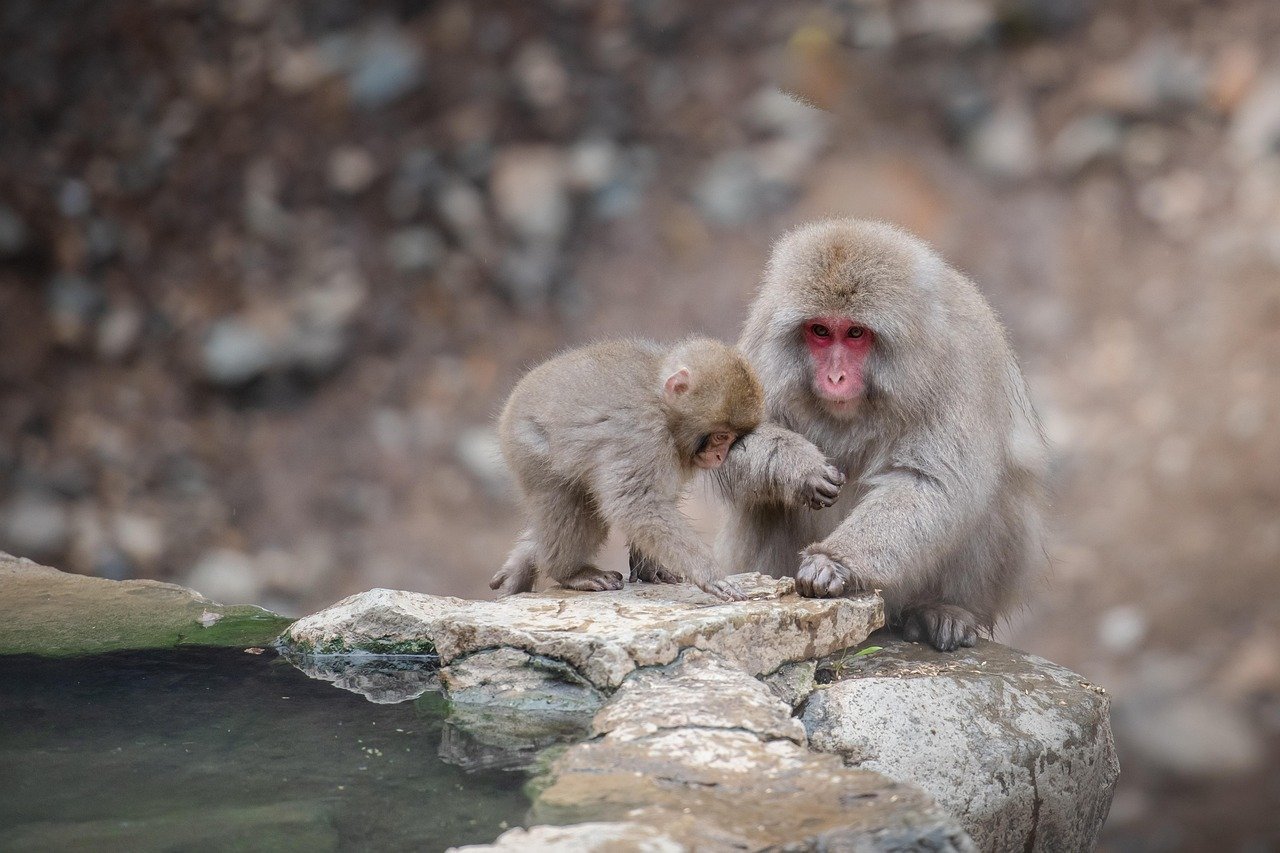
Japan’s onsen culture rewards patience — a proper hot spring town is meant to be savored over a night or two, in a yukata robe, moving between the bath and a slow multi-course dinner. But not every trip allows for that, and a well-chosen day trip from Tokyo can still deliver a genuine soak in mineral-rich water, a change of scenery from the city, and a taste of small-town Japan. This guide covers the onsen towns realistically reachable from Tokyo in a single day, honest about which ones feel rushed and which ones are worth the early alarm.
Why an Onsen Day Trip Is Worth Considering
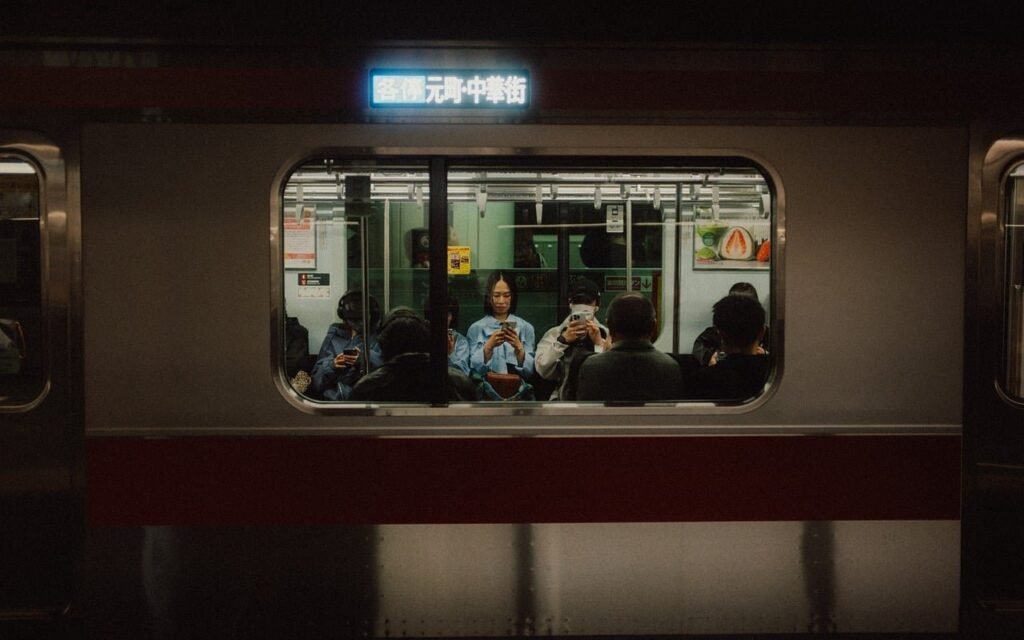
The appeal is straightforward: hot spring bathing is one of the more distinctly Japanese experiences available to visitors, and unlike many cultural activities, it doesn’t require booking weeks ahead or elaborate planning. Many towns near Tokyo have public bathhouses or day-use facilities at ryokan (traditional inns) that welcome non-overnight guests for a few hours’ access.
The honest trade-off: a day trip compresses what’s meant to be an unhurried experience. Travel time eats into your day, and some of the most atmospheric parts of onsen culture — the private late-night soak, the leisurely kaiseki dinner — aren’t really achievable without staying overnight. If your schedule allows even one night away from Tokyo, it’s worth strongly considering upgrading a day trip to an overnight stay at one of these towns.
Best Time to Go
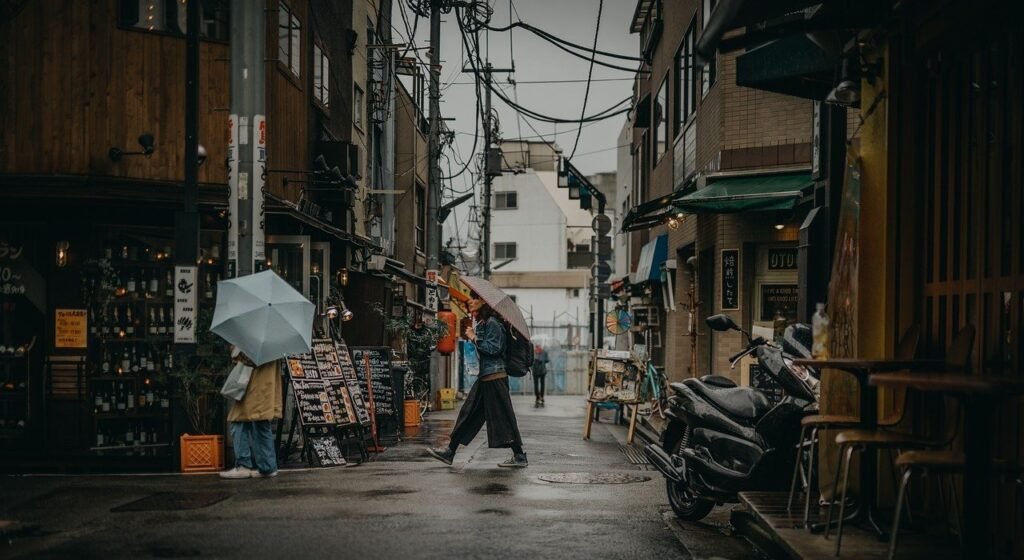
Onsen bathing works year-round, but the experience shifts with the seasons:
- **Winter (December–February)** is widely considered the best season — soaking in hot mineral water while snow falls or blankets the surrounding hills is a genuinely memorable contrast, and this is peak onsen season in Japan for good reason.
- **Autumn (November)** pairs hot spring towns with foliage viewing, especially in mountain locations like Hakone and Nikko.
- **Summer (June–August)** is less popular for onsen specifically, given the heat and humidity, though early morning or evening baths remain pleasant.
- **Spring (March–May)** is a solid shoulder season with mild weather for the walk between bath and train station.
How to Get There: Four Realistic Day-Trip Options
Hakone
The most popular and most accessible onsen destination from Tokyo, Hakone sits within the Fuji-Hakone-Izu National Park and offers stunning views of Mount Fuji on clear days.
**Getting there:** From Shinjuku Station, the Odakyu Romancecar limited express runs directly to Hakone-Yumoto Station in about 85–90 minutes (approximately ¥2,280 one-way including the limited express surcharge). A slower option using local trains with a transfer at Odawara takes closer to two hours but costs less (around ¥1,190).
**Why it works as a day trip:** Hakone-Yumoto itself has several public bathhouses and day-use ryokan baths within a short walk of the station, so you can arrive, soak, eat, and explore without needing to venture far. The Hakone Free Pass (sold by Odakyu) bundles the round-trip train fare with unlimited use of local buses, the Hakone Ropeway, and the Hakone Tozan cable car, which is worth it if you also want to see Lake Ashi or the Owakudani volcanic valley.
Atami
A historic seaside onsen town on the Izu Peninsula, Atami is the fastest option on this list and has enjoyed a genuine revival in popularity in recent years among younger Japanese travelers, giving it a slightly more contemporary energy than some older onsen towns.
**Getting there:** Approximately 40 minutes from Tokyo Station via Shinkansen (Kodama or Hikari services), or around 2 hours via local JR Tokaido Line trains for a considerably lower fare.
**Why it works as a day trip:** The Shinkansen connection makes Atami the easiest true “half-day” onsen trip near Tokyo — you can realistically leave Tokyo after breakfast, soak, have lunch by the harbor, and be back by early evening. Several public foot baths (ashiyu) are free and require no booking, a nice low-commitment way to sample the town’s hot spring water if you’re short on time.
Kinugawa Onsen (near Nikko)
Kinugawa combines a riverside onsen town with proximity to Nikko’s UNESCO-listed shrines, making it appealing for travelers who want to pair a shrine visit with a soak.
**Getting there:** From Tokyo (Asakusa Station), the Tobu Railway’s limited express trains run directly to Kinugawa-Onsen Station in around 2 hours.
**Why it works as a day trip:** It’s a longer day than Hakone or Atami, so this works best if you’re comfortable with roughly 4 hours of round-trip travel, or if you’re combining it with a Nikko shrine visit on the same day (in which case, budget the whole day for the combination and treat the onsen as an add-on rather than the main event).
Kusatsu
Widely regarded as one of Japan’s most storied and highest-quality onsen towns, with a famous central source (Yubatake) where mineral-rich water is channeled through wooden troughs in the middle of town. It’s also the most demanding day trip on this list.
**Getting there:** The JR Limited Express Kusatsu-Shima from Ueno Station reaches Naganohara-Kusatsuguchi Station in roughly 2 hours 20 minutes, followed by a connecting JR bus of about 25 minutes to Kusatsu itself — a total of approximately 2 hours 45 minutes to 3 hours each way.
**Honest assessment:** At nearly 6 hours of round-trip travel, Kusatsu as a single-day trip is technically possible but leaves only a few hours in town after accounting for meals and the walk between the bus stop and the baths. For most travelers, Kusatsu is better suited to at least one overnight, allowing a relaxed evening walk around the Yubatake when it’s lit up, and a morning soak before the crowds arrive.
Realistic budget estimate
- **Budget:** $30–50 total for train fare (local/limited express) plus a public bathhouse entry fee, typically $5–10 per person for non-overnight use.
- **Mid-range:** $60–110 total including Shinkansen or Romancecar fare, a day-use ryokan bath with a private or semi-private setting (often $15–35 per person), and lunch.
- **Upscale:** $150+ for premium day-use access at a higher-end ryokan offering a private open-air bath (kashikiri-buro) reservation, plus a multi-course lunch.
Top Experiences and Practical Tips
- **Public bathhouses (sento) versus ryokan day-use baths.** Public bathhouses are cheaper and more casual; ryokan day-use baths, often bookable for a set time window, offer a quieter, more scenic setting and sometimes a private outdoor (rotenburo) option.
- **Foot baths (ashiyu) are a low-commitment alternative.** Nearly every onsen town has free public foot baths where you can dip your feet without undressing — useful if you’re short on time or traveling with someone who prefers not to bathe.
- **Tattoos can still be an issue at some traditional bathhouses,** though this has relaxed considerably in tourist-oriented towns. Many day-use facilities in Hakone and Atami now accept small tattoos or offer tattoo-friendly private baths; it’s worth checking a specific facility’s policy in advance if this applies to you.
- **Bathing etiquette matters.** Wash and rinse thoroughly at the shower stations before entering the communal bath, keep long hair tied up and out of the water, and leave your small modesty towel outside the bath itself (it’s common to fold it and place it on your head or beside the tub, not in the water).
- **Bring your own towel or rent one.** Larger bath towels are sometimes not provided at budget public bathhouses; a small towel rental is usually available for a modest fee.
Where to Base Yourself If You Extend to an Overnight
If a day trip leaves you wanting more, each of these towns supports an easy overnight upgrade:
- **Hakone** for the widest range of ryokan styles and easy onward access to Mount Fuji viewpoints.
- **Atami** for a livelier, slightly more modern seaside town with good seafood.
- **Kinugawa** for pairing with Nikko’s shrines and a quieter riverside setting.
- **Kusatsu** for the most classic, atmospheric onsen town experience, best enjoyed unhurried.
Common Mistakes to Avoid
- **Underestimating travel time and missing the last train back.** Confirm return train times before you leave, especially for Kusatsu and Kinugawa, where evening service can thin out.
- **Skipping the pre-bath shower.** This is a firm etiquette expectation, not a suggestion, in Japanese bathing culture.
- **Assuming all bathhouses are mixed-gender.** Most traditional onsen separate bathing by gender (look for the character indicating men’s or women’s entrance), though a small number of rural rotenburo remain mixed — check signage or ask staff if unsure.
- **Not checking bathhouse closure days.** Public bathhouses sometimes close one day a week for maintenance; verify hours for your specific chosen facility before traveling, especially outside major tourist-facing establishments.
Accessibility Notes
Traditional onsen facilities, especially older ryokan, often involve steps, elevated bath thresholds, and limited elevator access, which can be a barrier for travelers with mobility considerations. Newer or renovated facilities in Hakone and Atami are more likely to offer barrier-free access; it’s worth calling ahead or checking specific facility websites for accessibility details before planning a visit.
FAQ
**Do I need to book an onsen day-use visit in advance?** Public bathhouses generally don’t require reservations, but ryokan day-use baths, especially private (kashikiri) options, often do, particularly on weekends.
**Can I visit an onsen if I have tattoos?** Policies vary. Many public bathhouses still restrict visible tattoos, though tourist-oriented facilities in Hakone and Atami increasingly accommodate them, and some rent tattoo-cover stickers or offer private bath options.
**Which onsen town is best for a first-time visitor with limited time?** Atami, given its fast Shinkansen connection, or Hakone, given its bundled transit pass and range of easy-access baths near the station.
**Is Kusatsu realistic as a day trip from Tokyo?** It’s possible but tight — expect roughly 5.5–6 hours of round-trip travel, leaving only a few hours in town. An overnight stay is a better way to experience it fully.
**What should I bring for an onsen day trip?** A small towel (unless renting one on-site), a change of clothes if you plan to bathe before continuing your day, and cash, since some smaller bathhouses don’t accept cards.
**Is mixed-gender bathing common?** No, most onsen separate bathing areas by gender. A small number of rural, more traditional rotenburo remain mixed, but this is increasingly rare and should be confirmed before visiting if it matters to you.
Related Travytour guides
- [Best Cherry Blossom Spots in Japan Outside Tokyo and Kyoto](/cherry-blossom-spots-japan-outside-tokyo-kyoto/)
- [Is the Japan Rail Pass Worth It? An Honest Cost Breakdown](/is-jr-pass-worth-it/)
- [Where to Stay in Kyoto: 6 Neighborhoods That Skip the Crowds](/where-to-stay-kyoto-without-crowds/)
Conclusion
A day trip from Tokyo won’t replicate the full slow-paced pleasure of an overnight onsen stay, but it’s a genuinely worthwhile way to experience Japanese hot spring culture without restructuring your itinerary. Start with Atami or Hakone if your time is tight, and if the experience leaves you wanting more, both towns — along with Kinugawa and Kusatsu — reward a return trip with a night added on.