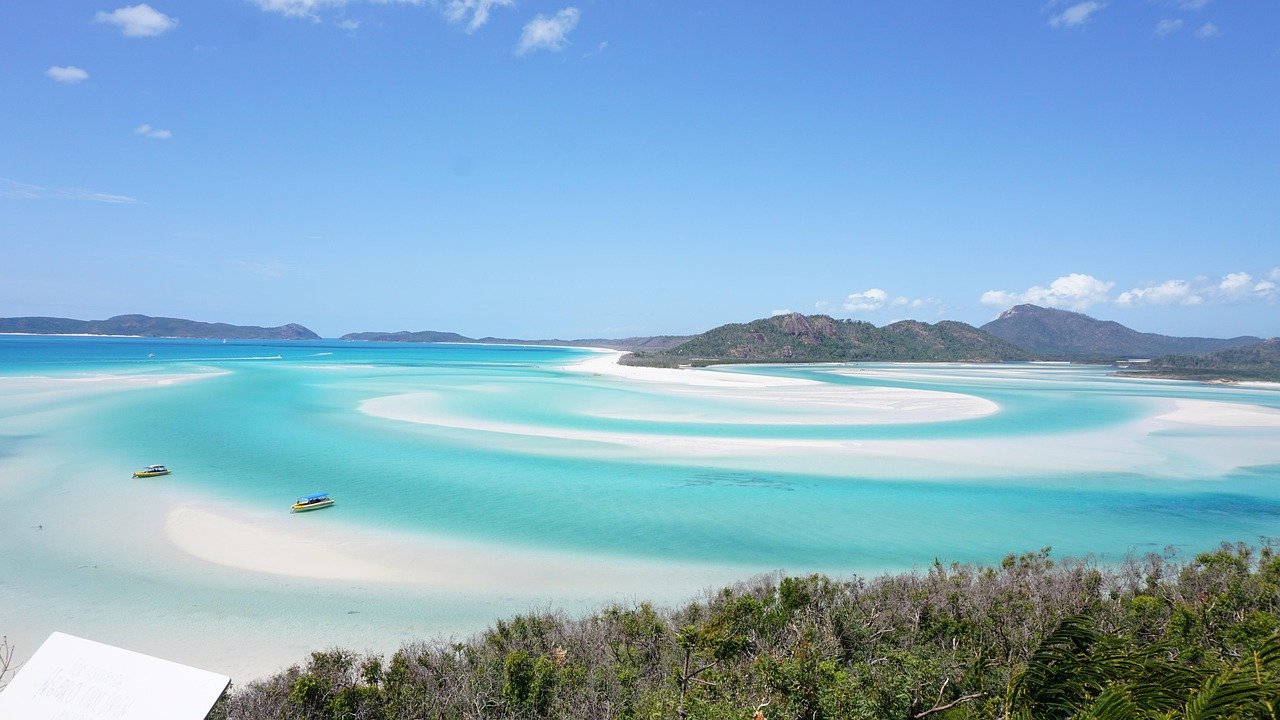
Travelers planning a Great Barrier Reef trip often assume “the reef” is one single destination, then discover it’s a 2,300-kilometer system with genuinely different access points that offer different experiences. The two most common bases — the Whitsundays, anchored around Airlie Beach, and the mainland gateway towns of Cairns and Port Douglas further north — aren’t interchangeable. One is built around island sailing and a famous beach; the other is built around faster access to healthier outer-reef coral. Here’s an honest look at what each actually delivers, so the choice matches what you actually want from the trip.
Why this comparison matters
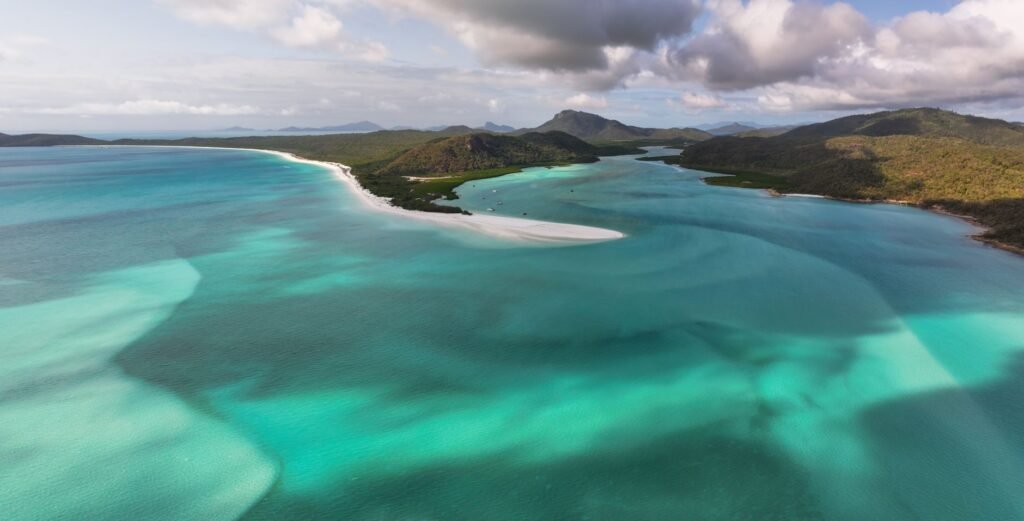
The Great Barrier Reef isn’t a single reef you visit — it’s a vast system of individual reefs stretching along the Queensland coast, and reef health varies significantly by location and has been affected by coral bleaching events in recent years, particularly following marine heatwaves. Where you base yourself changes both the scenery on land (island-hopping and beaches versus a more urban mainland gateway) and the specific stretch of reef you’ll actually snorkel or dive.
Broadly: the Whitsundays are a collection of 74 mostly uninhabited islands off Airlie Beach, known primarily for sailing, island resorts, and Whitehaven Beach’s famous silica sand — not for having the reef directly offshore. Cairns and Port Douglas, further north, sit much closer to outer reef sites, which tend to have clearer water and healthier coral than the fringing reefs immediately around the Whitsunday Islands.
The Whitsundays: what it actually offers
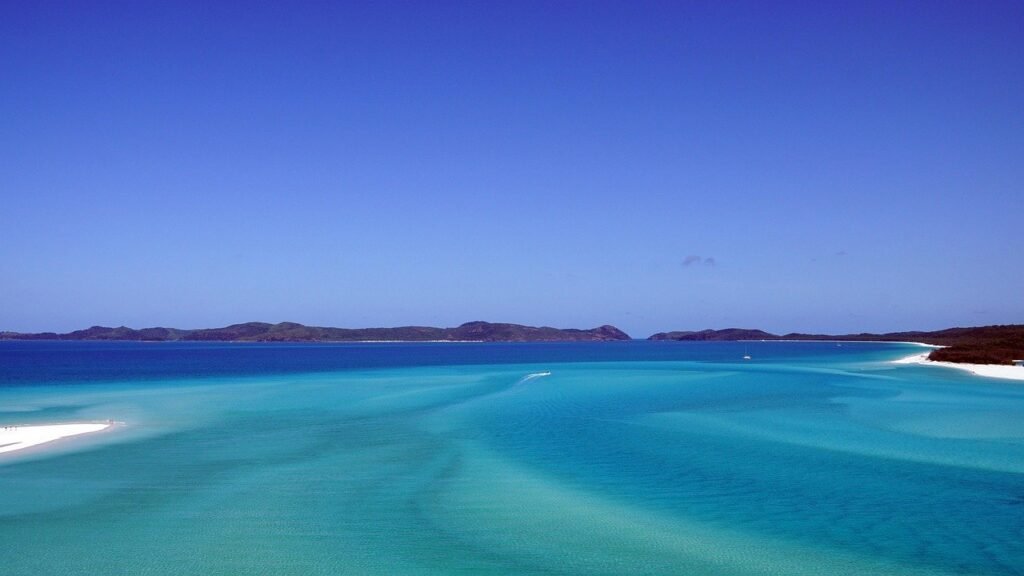
Airlie Beach is the main gateway town, with Hamilton Island serving as the primary resort island with its own airport. The Whitsundays’ signature experience is Whitehaven Beach on Whitsunday Island — seven kilometers of brilliant white silica sand, widely regarded as one of Australia’s most photogenic beaches, plus the swirling sand-and-water patterns at Hill Inlet nearby.
Sailing is the region’s core identity. Multi-day sailing trips, ranging from budget backpacker boats to upscale catamarans, are a signature Whitsundays experience that doesn’t really exist in the same form around Cairns. Day trips typically combine Whitehaven Beach with a stop at a reef pontoon or fringing reef site for snorkeling.
The honest trade-off: the reef directly around the Whitsunday Islands is fringing reef, which has historically been more exposed to cyclone damage and coral bleaching than some outer reef sites further north, and snorkeling quality can vary noticeably depending on recent weather and conditions. Travelers who come to the Whitsundays purely for exceptional snorkeling sometimes leave a little underwhelmed by the underwater experience relative to the beach and sailing experience.
Best for: travelers who want sailing, island-hopping, and Whitehaven Beach as the centerpiece of the trip, with reef snorkeling as a strong bonus rather than the sole purpose of the visit.
Great Barrier Reef mainland tours (Cairns and Port Douglas): what it actually offers
Cairns and, to its north, the smaller and more upscale Port Douglas, are the main gateways to the outer reef — sites that sit closer to the edge of the continental shelf, generally with clearer water and, at many sites, healthier coral than fringing reefs closer to shore. Large reef-tour operators run day boats out to pontoons moored at outer reef sites, offering snorkeling, introductory and certified diving, semi-submersible or glass-bottom boat viewing, and sometimes helicopter transfers for a scenic add-on.
Port Douglas in particular is positioned close to the Low Isles and outer reef sites accessible in a shorter boat ride than from Cairns, and pairs naturally with a Daintree Rainforest day trip, giving travelers a reef-and-rainforest combination within a short drive.
The honest trade-off: Cairns itself is a larger, more commercial tourism hub with less of the laid-back island-resort feel of the Whitsundays, and reef day trips from the mainland involve more time on a larger boat with bigger passenger numbers at popular pontoons, which can feel less intimate than a smaller Whitsundays sailing charter. There’s also no equivalent to Whitehaven Beach on this stretch of coast — the beach experience here is secondary to the reef itself.
Best for: travelers whose main priority is snorkeling or diving quality, who want efficient access to outer reef sites, and who may want to combine the trip with the Daintree Rainforest or Cape Tribulation.
Side-by-side comparison
| Factor | Whitsundays (Airlie Beach) | Mainland (Cairns / Port Douglas) |
|---|---|---|
| Signature experience | Sailing, island-hopping, Whitehaven Beach | Outer reef snorkeling and diving |
| Reef access | Fringing reef, more variable condition | Outer reef, generally clearer water |
| Vibe | Island resort, sailing culture, laid-back | Larger tourism hub (Cairns) or boutique (Port Douglas) |
| Beach experience | Exceptional (Whitehaven) | Secondary to the reef |
| Multi-day options | Strong (sailing charters) | Limited by comparison |
| Rainforest pairing | Not applicable | Strong (Daintree, Cape Tribulation) |
| Best for | Sailing and beach-first travelers | Snorkel/dive-first travelers |
Best time to go
Queensland’s dry season, roughly May through October, is generally considered the more comfortable time to visit both regions — lower humidity, less rain, and calmer conditions for boat trips. This period also falls outside the main “stinger season,” when marine jellyfish (including box jellyfish and Irukandji) are more prevalent in coastal waters, typically associated with the warmer wet-season months. Most reef tour operators provide protective clothing during stinger season regardless, so this shouldn’t rule out a wet-season visit, but it’s worth knowing about in advance.
The wet season (roughly November through April) brings higher humidity, the possibility of cyclones (more relevant to the Whitsundays’ coastal position), and lusher Daintree Rainforest scenery for those pairing a mainland reef trip with a rainforest visit.
How to get there and logistics
For the Whitsundays: Fly into Whitsunday Coast Airport (near Proserpine, the gateway for Airlie Beach) or directly to Hamilton Island, which has its own airport with more direct connections from major Australian cities. Airlie Beach itself is the main land base, with most sailing trips and day tours departing from its marina.
For Cairns and Port Douglas: Cairns has an international airport with direct connections from several overseas cities, making it a practical entry point for international travelers heading straight to the reef without an internal Australian flight first. Port Douglas is roughly an hour’s drive north of Cairns; most travelers either base in Cairns and day-trip north, or base directly in Port Douglas for a quieter atmosphere with slightly longer transfers to some reef sites.
Both regions are reachable independently or as one stop within a broader Queensland or east coast Australia itinerary; they’re roughly 4–5 hours apart by road, so combining both within a short trip requires either a domestic flight between Whitsunday Coast/Hamilton Island and Cairns, or a longer overland journey.
Realistic budget estimate (USD, per person per day, As checked on September 2, 2026)
- Budget tier: roughly $80–150/day — hostel or budget accommodation, a shared-boat day tour or budget multi-day sailing trip, casual meals.
- Mid-range tier: roughly $200–350/day — three- to four-star accommodation, a quality day-reef tour or a mid-range sailing charter, a mix of restaurant meals.
- Upscale tier: roughly $400–700+/day — resort-level accommodation (particularly on Hamilton Island or at Port Douglas resorts), premium catamaran charters or private reef tours, higher-end dining.
These are general planning estimates and will vary by season and specific operator.
Top experiences and actionable tips
- If Whitehaven Beach is the priority, aim for a morning visit and, if possible, add a scenic flight or the Hill Inlet lookout walk for the swirling sand-pattern view that’s difficult to appreciate from the beach itself.
- If reef quality is the priority, ask tour operators directly which specific reef site they’re visiting that day and what current conditions are — reputable operators are generally upfront about this, and it varies by season and recent weather.
- Consider a liveaboard or overnight sailing trip in the Whitsundays if time allows; sunset and sunrise on the water, away from day-trip crowds, is consistently cited as the most memorable part of the region.
- Pair a Port Douglas reef day with a Daintree Rainforest tour the following day to combine reef and rainforest ecosystems without much extra travel time.
- If snorkeling ability or confidence is a concern, ask about semi-submersible or glass-bottom boat options, offered by several operators in both regions, as an alternative to getting in the water.
Where to stay by traveler type
Sailing and beach-focused couples: Airlie Beach for budget-to-mid-range flexibility, or Hamilton Island for a self-contained resort experience with its own restaurants and activities.
Snorkel/dive-focused travelers: Cairns for the widest range of tour operators and price points, or Port Douglas for a quieter, more upscale base with slightly shorter transfers to some outer reef sites.
Families: Hamilton Island’s resort infrastructure (kids’ clubs, varied dining, less need to book separate transfers) tends to work well; Port Douglas is also a comfortable, walkable option for families wanting a mainland base.
Combining reef and rainforest: Port Douglas is the more efficient base, given its proximity to both the reef and the Daintree.
Safety, packing, and common mistakes
Sun protection is non-negotiable in tropical Queensland — reef-safe sunscreen (many operators now require it to protect coral) and rash guards are worth packing for both regions. During stinger season, wear the protective suits provided by tour operators rather than skipping them for comfort. A common mistake is assuming any reef tour delivers the same underwater experience; conditions vary by day, tide, and specific site, so setting expectations with the operator in advance helps.
Motion sickness is also worth planning for on longer boat transfers to outer reef pontoons, which can involve more open water than shorter Whitsundays fringing-reef trips.
FAQ
Which has better snorkeling, the Whitsundays or Cairns/Port Douglas? Generally, outer reef sites accessed from Cairns and Port Douglas tend to offer clearer water and, at many sites, better coral condition than the fringing reef immediately around the Whitsunday Islands, though this varies by specific location and recent conditions. The Whitsundays’ strength lies more in the overall island and sailing experience.
Can I do both the Whitsundays and Cairns in one trip? Yes, but it typically requires a short domestic flight between the two regions, since they’re roughly 4–5 hours apart by road. Many travelers doing an east coast Australia trip include both as separate stops.
Is Whitehaven Beach worth visiting even if reef quality isn’t the priority? Yes — it’s frequently rated among Australia’s best beaches on its own merits, independent of the reef experience.
Do I need diving certification to see the reef? No — most tour operators offer snorkeling and introductory “resort dives” for uncertified guests, alongside options for certified divers.
Is the Great Barrier Reef reef health as bad as some headlines suggest? Reef condition varies significantly by location and has been affected by bleaching events tied to marine heatwaves in recent years; some areas have shown recovery while others remain more affected. It’s worth checking current conditions with tour operators, who typically know which sites are faring best at any given time.
What’s the biggest mistake travelers make choosing between the two? Assuming they’re interchangeable “Great Barrier Reef” experiences. They’re genuinely different trips — one built around sailing and a beach, the other around reef access — and matching the choice to your actual priorities matters more than picking whichever is more famous.
Next Step
Before booking, write down your top two priorities for this leg of the trip — sailing and beach time, or reef and snorkeling quality — and let that answer drive the choice of base rather than the destination’s general reputation.
Related Travytour guides
- Travytour Trip Budget Calculator
- All Travytour Travel Guides
- Great Ocean Road Itinerary for 3 Days: A Practical Route Guide
Keep planning
- More Whitsundays guides on Travytour
- Estimate your own trip cost with the Travytour budget calculator
- Browse all Travytour travel guides