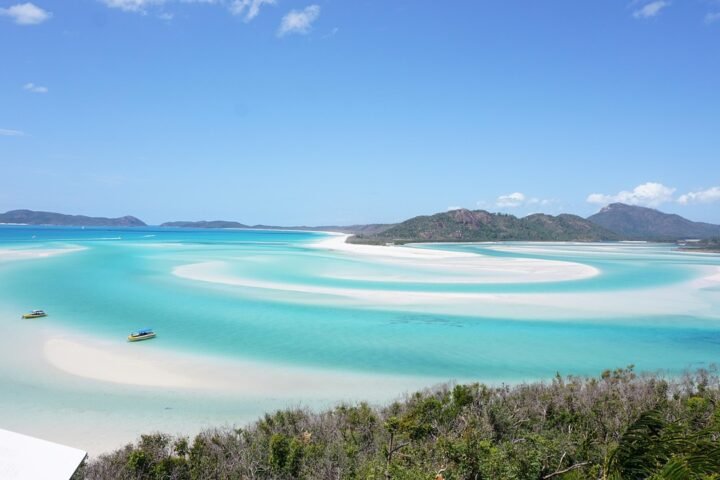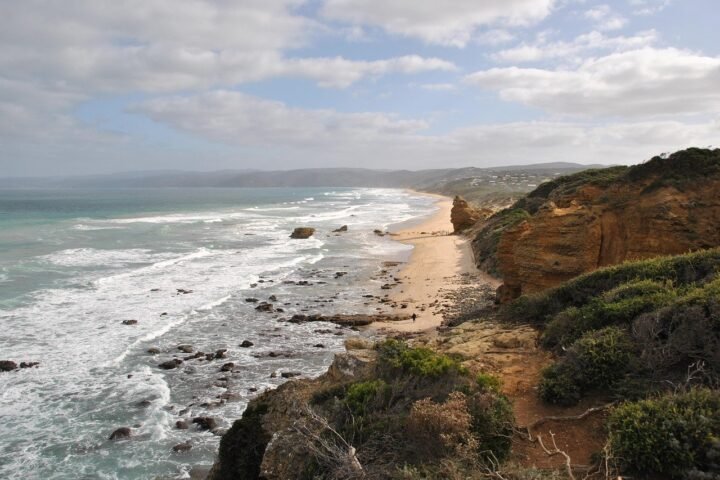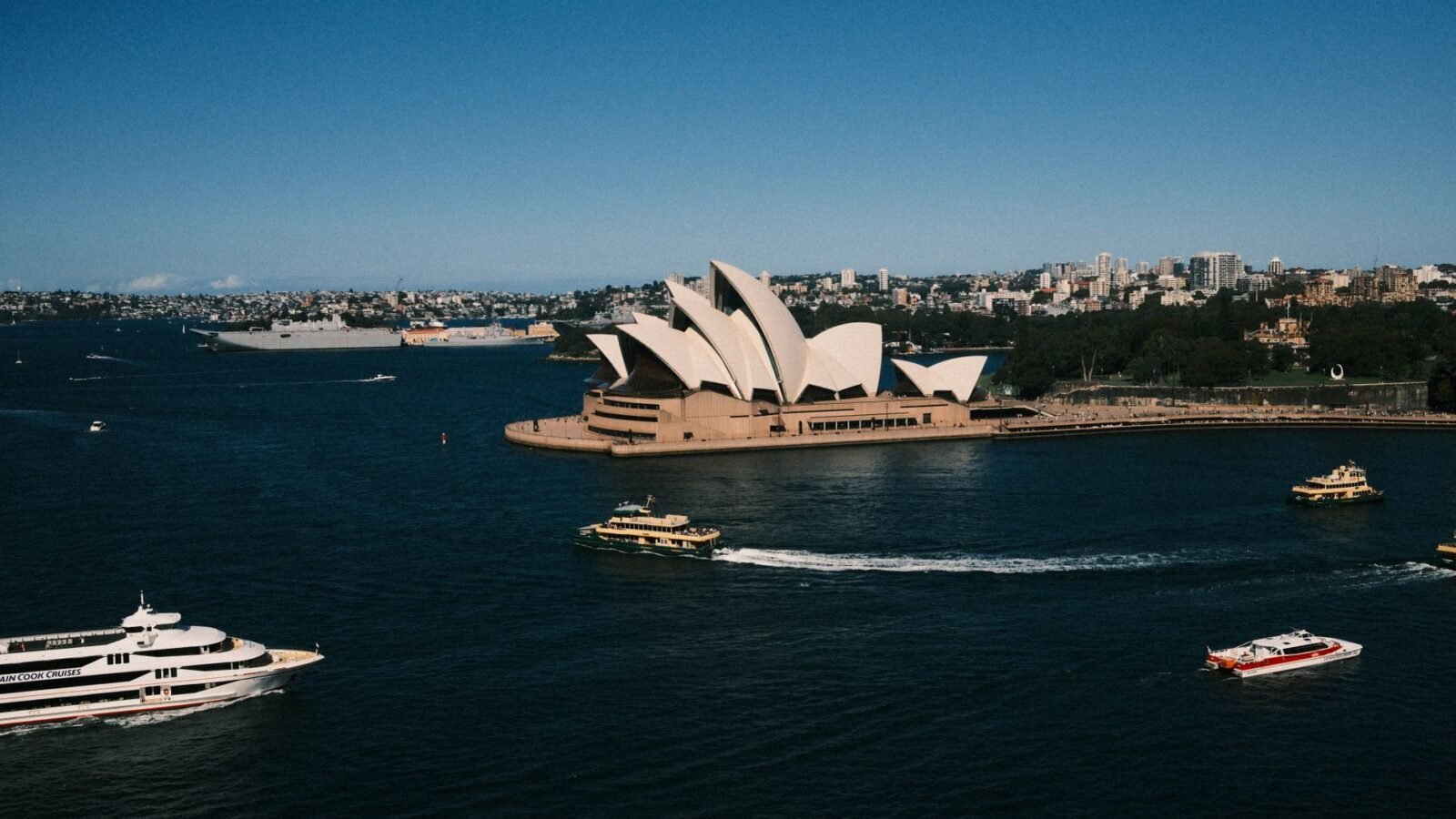
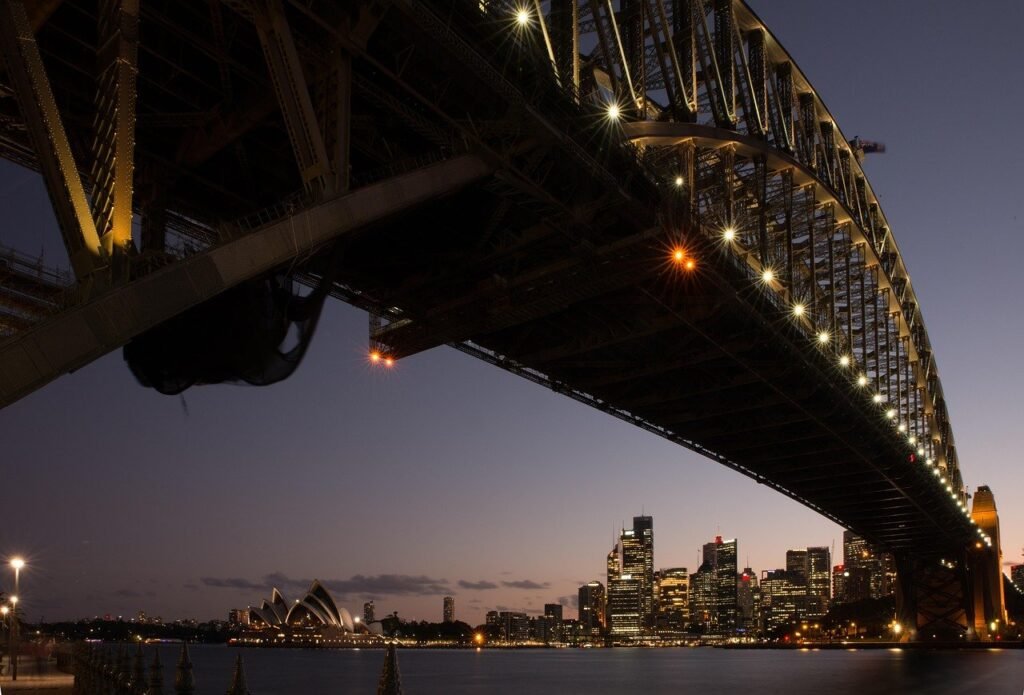
Sydney and Melbourne get lumped together constantly, both by outsiders planning an Australia trip and by a long-running, mostly good-natured rivalry between the two cities themselves. But they offer genuinely different experiences. Sydney is built around its harbor, with the Opera House and Harbour Bridge as instantly recognizable anchors and beach culture woven into daily life. Melbourne is quieter about its appeal — laneways, coffee culture, and a dense calendar of arts, food, and sport define it more than any single landmark. If you only have time for one on this trip, here’s an honest comparison to help you choose, based on what each city actually does best.
Why This Decision Is Worth Thinking Through
Many first-time visitors to Australia try to fit both Sydney and Melbourne into a short trip, and this is often a mistake. The two cities sit roughly 90 minutes apart by direct flight, and a rushed one- or two-night stop in each tends to produce a superficial visit to both rather than a satisfying one to either. If your total Australia trip is under two weeks, choosing one as your primary base — and treating the other as a possible future trip — usually makes for a better experience than splitting your time evenly.
The trade-off, of course, is that you’ll miss things: Sydney’s harbor and beaches if you choose Melbourne, or Melbourne’s laneway culture and easy access to wine country if you choose Sydney. Neither city is objectively “better” — they suit different travel priorities, which is what the comparison below is built around.
Best Time to Go
Australia’s seasons run opposite to the Northern Hemisphere: summer is December through February, winter is June through August.
Sydney has a milder, more temperate climate suited to outdoor and beach-focused visits nearly year-round, though summer (December–February) is peak season for harbor swimming, ferries, and beach time, with more humidity and occasional heat waves. Autumn (March–May) is a strong shoulder-season choice, with warm days and thinner crowds.
Melbourne has a noticeably more variable climate — locals joke about experiencing four seasons in a single day, and this isn’t far off. Summer brings warm, sometimes very hot days, but temperature swings of 15+ degrees Celsius within 24 hours aren’t unusual. Melbourne’s cultural calendar (major sporting events, arts festivals) runs heavily through spring and autumn, which makes those seasons especially lively, if also busier and pricier for accommodation.
For a first visit, November–March favors Sydney’s outdoor and harbor appeal, while March–May or September–November tends to suit Melbourne’s event calendar and more comfortable walking weather.
How to Get There and Logistics
Both cities have major international airports — Sydney (Kingsford Smith) and Melbourne (Tullamarine) — with extensive direct connections from North America, Europe, and Asia. Sydney’s airport sits closer to the city center (around 20–30 minutes by train or taxi), while Melbourne’s airport is a longer transfer (around 25–40 minutes by road; there is currently no direct rail line, with SkyBus and taxis/rideshare the main options).
Entry requirements: Both cities fall under the same Australian entry rules. Most visitors from the US, Canada, UK, and EU need an Electronic Travel Authority (ETA) or eVisitor visa, arranged online before departure — confirm your specific nationality’s category and fee with the Australian Department of Home Affairs, since requirements vary and this is not a blanket visa-free arrangement.
Getting between the two cities: Direct flights take roughly 1.5 hours and run frequently throughout the day on multiple carriers, making a two-city trip logistically easy even if editorially it’s not always the best use of a short visit. The overnight or long-distance train between the cities takes considerably longer (well over 10 hours) and is more of a scenic novelty than a practical transfer option.
Getting around once you’re there: Sydney’s public transport (trains, buses, ferries, light rail) runs on the Opal card system; ferries in particular are a genuinely pleasant and practical way to see the harbor while getting somewhere. Melbourne’s extensive tram network is one of the largest in the world and includes a free tram zone covering much of the central business district, making the city center easy to explore without a car.
Realistic budget estimate
Both cities are comparably priced overall, though specific costs shift the balance depending on what you prioritize. Figures below are per-person daily estimates in USD, based on general current Australian travel cost patterns, and should be treated as planning ranges.
Budget tier (roughly $90–140/day): Hostel or budget hotel accommodation, a mix of self-catering and casual eating (both cities have excellent, inexpensive Asian food courts and bakeries), public transport day passes, free attractions (beaches in Sydney, free galleries and laneway wandering in Melbourne).
Mid-range tier (roughly $150–230/day): Three- to four-star hotel, a daily restaurant meal plus casual lunches, one or two paid attractions or tours (a harbor cruise in Sydney, a laneway food tour or day trip to the Yarra Valley in Melbourne), regular public transport use.
Upscale tier (roughly $280–450+/day): Boutique or luxury hotel in a central location, regular fine dining (both cities have strong, internationally recognized restaurant scenes), private tours, premium harbor cruises or wine region day trips with a driver.
Melbourne’s dining scene, in particular, is often cited as comparably priced to or slightly less expensive than Sydney’s at the mid-range, while Sydney’s harbor-view and beachside accommodation commands a premium that Melbourne’s more uniformly distributed neighborhoods don’t always match.
Head-to-Head Comparison
Landmarks and first impressions
Sydney wins this category almost by default: the Opera House and Harbour Bridge are two of the most recognizable structures in the world, and seeing them in person — ideally from a ferry — delivers on the postcard image immediately. Melbourne has no single equivalent landmark; its identity is built from hundreds of smaller details (street art laneways, historic arcades, tram-lined boulevards) that take longer to appreciate but reward closer attention.
Choose Sydney if: you want an immediate, unmistakable “I’m in Australia” visual payoff, especially on a short visit.
Choose Melbourne if: you’d rather explore a city that reveals itself gradually, through neighborhoods rather than icons.
Beaches and outdoor life
Sydney’s beach culture is a defining part of daily life — Bondi, Manly, and Coogee are all reachable by public transport, and the coastal walk between Bondi and Coogee is a genuinely excellent free half-day activity. Melbourne has beaches too (St Kilda among them), but they’re a secondary feature of the city rather than a core identity, and the water and sand don’t compare to Sydney’s ocean beaches.
Choose Sydney if: beach time and harbor swimming are important to your trip.
Choose Melbourne if: beaches are a nice-to-have, not a priority.
Food, coffee, and drinking culture
This is where Melbourne consistently wins international comparisons. The city’s laneway café culture, strong multicultural food scene (particularly Vietnamese, Italian, and Greek communities with deep historical roots in the city), and a dense concentration of small, chef-driven restaurants give Melbourne a reputation as Australia’s food and coffee capital. Sydney’s food scene is excellent and arguably has more high-end fine dining and better seafood given its harbor and ocean access, but it’s more spread out and less walkable as a food-crawl experience.
Choose Sydney if: you want top-tier seafood and fine dining, and don’t mind traveling between neighborhoods to find it.
Choose Melbourne if: you want to wander on foot between cafés, wine bars, and restaurants without much planning.
Arts, sport, and events
Melbourne is widely considered Australia’s cultural and sporting capital, hosting a dense calendar of major events — international tennis, Australian Rules Football finals, and a strong theater and live music scene, much of it centered around the compact CBD. Sydney has a strong arts scene too (the Sydney Opera House alone hosts hundreds of performances a year, and the Art Gallery of New South Wales is excellent), but its calendar is less densely packed than Melbourne’s, and its geography spreads events out more.
Choose Melbourne if: you’re planning your trip around a specific major event, or want a dense, walkable arts and culture calendar.
Choose Sydney if: you prefer a handful of world-class cultural institutions over a packed calendar of smaller events.
Day trips
Sydney’s day-trip options include the Blue Mountains (roughly 2 hours by car or train, with dramatic sandstone escarpments and eucalypt forest), the Hunter Valley wine region (roughly 2 hours), and a range of coastal towns. Melbourne’s day-trip options include the Yarra Valley wine region (roughly 1 hour), the Great Ocean Road (a longer full-day or overnight trip, but among Australia’s most scenic drives), and the Mornington Peninsula’s beaches and hot springs.
Choose Sydney if: dramatic mountain scenery and a well-known wine region both close by appeal to you.
Choose Melbourne if: you want easy access to one of the world’s most famous coastal drives.
Where to Stay by Area
Sydney — for first-time visitors: The Rocks or Circular Quay put you within walking distance of the Opera House, Harbour Bridge, and ferry terminals — the most convenient base for a short visit, though also the priciest. Surry Hills or Darlinghurst offer a more local, café-driven alternative a short transit ride from downtown.
Sydney — for beach-focused visitors: Basing yourself in Bondi or Coogee trades some central convenience for direct beach access and a more relaxed, neighborhood feel.
Melbourne — for first-time visitors: The CBD, within or near the free tram zone, puts you walking distance from Flinders Street Station, the laneways, and most major sights, with easy tram access to everything else.
Melbourne — for a local feel: Fitzroy or Carlton offer a slower-paced, café- and bookstore-heavy alternative a short tram ride from downtown.
Common Mistakes and Practical Notes
The most common mistake is trying to see both cities properly in under five or six days total — this usually means one or both gets reduced to a hotel-and-airport experience. If your trip is short, pick the city whose comparison above matched more of your priorities, and treat the other as a future trip.
Weather is a second common miscalculation, particularly for Melbourne — visitors packing only summer clothing for a Melbourne trip in any season are often caught out by a sudden temperature drop or rain. Layers are genuinely useful there year-round.
Public transport passes (Opal in Sydney, Myki in Melbourne) are worth setting up on arrival rather than paying single fares, and both systems have airport-specific considerations worth checking before you land.
FAQ
Which city is better for a first-time visitor to Australia? Neither is objectively better — Sydney suits visitors prioritizing beaches, harbor views, and iconic landmarks; Melbourne suits visitors prioritizing food, coffee, arts, and a walkable, neighborhood-driven city. Match the comparison above to your own priorities.
Can I visit both in one trip? Yes, and the short flight between them makes it logistically easy. The concern is time, not distance — a rushed one-night stop in each often shortchanges both. If you have 10+ days, splitting your time works well.
Which is more expensive? Overall costs are broadly comparable, with Sydney generally commanding a premium for central and harbor/beach-view accommodation, while Melbourne’s mid-range dining is often considered better value relative to quality.
Which city has better weather? Sydney’s climate is milder and more consistent; Melbourne’s is famously changeable, with several possible weather patterns in a single day regardless of season.
Is one city safer than the other for tourists? Both are considered safe, well-developed cities by international standards, with the usual big-city precautions (being aware of belongings in crowded tourist areas, standard nighttime awareness) applying equally to both.
Which city is better for a family trip? Sydney’s beaches, ferries, and outdoor attractions (Taronga Zoo, accessible by a scenic ferry ride) tend to appeal strongly to families with kids; Melbourne offers strong museums (Melbourne Museum, the Melbourne Aquarium) and is very walkable, but has fewer built-in outdoor, active options for children.
Related Travytour guides
- Travytour Trip Budget Calculator
- All Travytour Travel Guides
- Is the Whitsundays Worth It Over Great Barrier Reef Mainland Tours?
Conclusion
There’s no universally correct answer between Sydney and Melbourne — the right choice depends on whether you’re drawn more to harbor views, beaches, and iconic landmarks, or to laneway cafés, arts, and a dense, walkable food scene. If you’re still torn after reading this, a useful exercise is picturing your ideal single day in each city, based on the comparisons above, and seeing which one you’d rather actually spend. From there, a conversation with a travel advisor familiar with both cities can help you build the rest of the trip around whichever one you choose.
Keep planning
- More Australia guides on Travytour
- Estimate your own trip cost with the Travytour budget calculator
- Browse all Travytour travel guides