Yukon sits far enough north, and stays dark enough in winter, that on a clear night with active geomagnetic conditions, the aurora borealis is genuinely one of the more attainable natural spectacles a traveler can plan a trip around — not a guarantee, but a realistic goal with the right timing. Whitehorse, the territory’s capital and main travel hub, sits under what’s often called the “aurora oval,” the ring-shaped zone around the magnetic pole where auroral activity is most frequently visible. Here’s how to think about timing a trip, and what to expect once you’re there.
Why Yukon, and the honest trade-offs
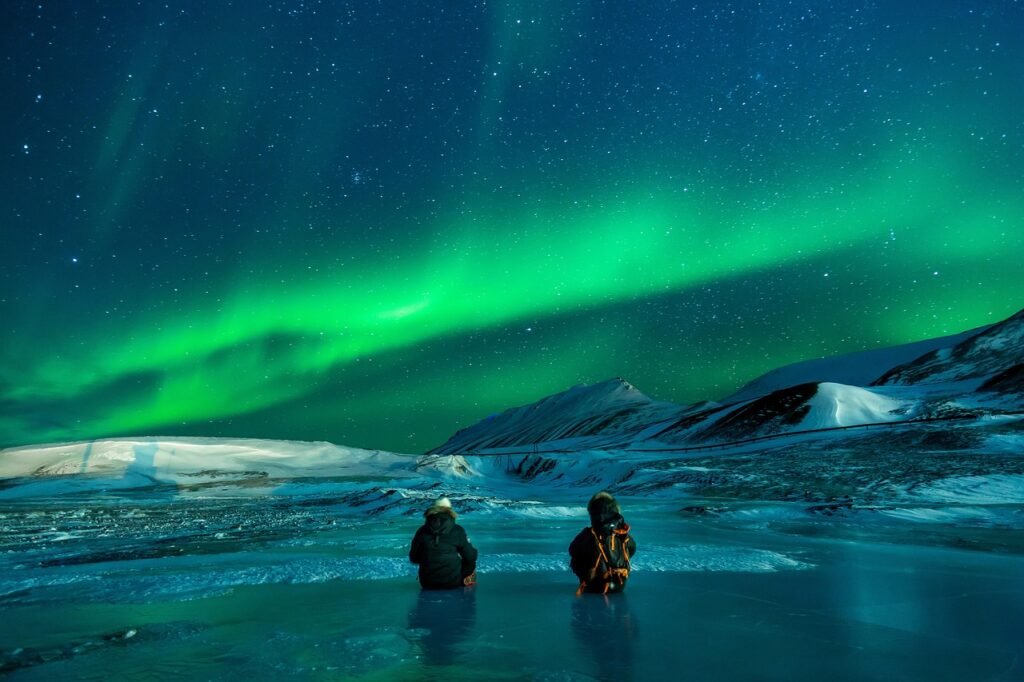
Yukon’s appeal for aurora viewing comes down to latitude, darkness, and accessibility relative to other high-latitude destinations. Whitehorse is easier to reach from western North America than most Scandinavian or Icelandic aurora destinations, and the surrounding wilderness offers genuinely dark skies without extensive travel once you’re there.
The trade-off is real winter conditions. Aurora season coincides with Yukon’s coldest, darkest months, and temperatures in Whitehorse regularly drop well below freezing, sometimes dramatically so, in December and January. Viewing the aurora typically means being outside, often for extended stretches, in the middle of the night, in serious cold — this is not a casual add-on to a trip, it requires real planning and gear. It’s also inherently unpredictable: even in the best season and best location, clouds or a quiet night for geomagnetic activity can mean no visible aurora on a given night, which is why multi-night stays meaningfully improve your odds over a single overnight stop.
Best time to see the Northern Lights in Yukon
The aurora is present year-round, but it’s only visible against a dark sky, which rules out the near-endless daylight of Yukon’s summer months. The practical viewing season runs roughly from late August through mid-April, with the core of the season — combining maximum darkness, reasonably manageable weather, and strong historical viewing odds — generally falling from November through March.
Within that window, a few things matter:
- Darkness hours. December offers the longest nights, giving the widest viewing window each evening, though it’s also the coldest month.
- Clear-sky odds. Weather patterns vary year to year, but late winter (February-March) is often cited as offering a favorable mix of still-long dark hours with somewhat milder temperatures than the depths of December-January.
- Equinox activity. Some aurora researchers and long-time observers note that geomagnetic activity tends to run higher around the spring and fall equinoxes (March and September), which is one reason shoulder months like late August/September and March are popular with dedicated aurora chasers, alongside decent temperatures relative to midwinter.
- Solar cycle. Aurora frequency and intensity also depend on where the sun is in its roughly 11-year solar activity cycle — more solar activity generally means more frequent and vivid displays.
There is no single “best week” — realistically, any clear night from November through March offers a genuine chance, and travelers who can stay three or more nights significantly improve their odds of seeing a strong display versus a one-night stopover.
How to get there and logistics
Whitehorse is Yukon’s main air gateway, typically reached via connections through hubs like Vancouver or Calgary. From Whitehorse, most aurora viewing happens either just outside the city (where light pollution is still low enough for good viewing) or via guided trips to dedicated viewing sites, cabins, or heated yurts farther from town, which further reduce light interference and often add comfort for a long night outdoors.
A rental car gives flexibility to chase clear patches of sky, since local weather can vary meaningfully across short distances; however, winter driving in Yukon requires confidence with snow and ice conditions, and many first-time visitors opt for a guided tour that handles transport, timing, and site selection — a meaningful convenience given how unpredictable a good viewing night can be.
Realistic budget estimate (planning ranges)
These are general planning ranges; Whitehorse is a small northern city with a limited range of accommodations and services relative to larger destinations, and winter demand from aurora travelers can affect pricing.
- Budget tier: A basic Whitehorse hotel or guesthouse, self-catered meals, and self-driven viewing from a public dark-sky pullout can run roughly $120–$180 per person per day.
- Mid-range tier: A comfortable hotel, restaurant meals, and one or two guided aurora tours (often including hot drinks, heated shelters, and photography assistance) typically lands around $250–$400 per person per day.
- Upscale tier: A stay at a dedicated wilderness lodge with private aurora viewing, guided excursions (dog sledding, snowshoeing), and full-service dining can run $450–$700+ per person per day.
Top experiences and itinerary tips
Guided aurora viewing tours. Local operators run dedicated nighttime tours to known dark-sky sites, often with heated cabins or yurts, hot drinks, and help with camera settings for aurora photography — a good option for first-timers who want expert guidance on timing and location.
Dog sledding and winter activities by day. Since aurora viewing happens at night, days are free for classic Yukon winter activities: dog sledding, snowshoeing, or a soak at a natural hot spring, which pairs well with the sleep-shifted rhythm of a late-night aurora trip.
Takhini Hot Springs. A popular stop near Whitehorse where visitors can soak in naturally heated pools in the snow — and on clear nights with active aurora, some visitors have reported seeing displays directly from the pools, though this is opportunistic rather than a guaranteed viewing site.
Kluane National Park (day trips in season). For travelers extending their stay, Kluane’s mountain scenery is a worthwhile daytime complement to a Whitehorse-based aurora trip, though winter access to some areas may be limited.
Itinerary tip: Plan a minimum of three nights specifically for aurora viewing to meaningfully improve your odds against any single cloudy or quiet night — a one-night stopover is genuinely a gamble. Build in flexible, unstructured evening time rather than scheduling something every night, since the best viewing nights aren’t predictable more than a few days out at most, and even short-notice forecasts (via aurora/geomagnetic activity trackers) are more reliable than long-range planning.
Where to stay
- Whitehorse city center: Most convenient for flights, restaurants, and daytime activities, with easy access to guided tours departing from town; some in-city light pollution slightly reduces viewing quality directly downtown.
- Wilderness lodges outside Whitehorse: Purpose-built for aurora viewing, often with on-site heated viewing areas or wake-up-call services when activity is detected, at a higher price point than city hotels.
- Vacation rentals/cabins on the city’s outskirts: A middle-ground option offering darker skies than downtown with more independence (and lower cost) than a full-service lodge, provided you’re comfortable with winter self-driving.
Safety and packing notes
- Dress for extreme cold, not just “cold.” Layered, wind-resistant winter gear rated for well-below-freezing temperatures is essential; standard urban winter coats are usually not sufficient for hours standing outside at night.
- Protect extremities. Insulated boots, thick gloves (with a thin liner glove for operating a camera), and a warm hat covering the ears are non-negotiable for a comfortable night out.
- Check road and weather conditions before self-driving to remote viewing spots; Yukon winter roads can be icy and services are sparse outside Whitehorse.
- Manage expectations. The aurora is a natural phenomenon, not a scheduled show — build flexibility into your trip and treat any sighting as a bonus rather than a guarantee, even in peak season.
FAQ
What is the single best month to see the Northern Lights in Yukon? There’s no definitive single “best” month — the core season of November through March all offers strong odds on clear nights, with December offering the longest dark hours and February-March sometimes favored for a more comfortable balance of cold and darkness.
How many nights should I plan for? At least three, ideally more. A single night significantly increases the risk of cloud cover or quiet activity coinciding with your one shot.
Do I need a guide, or can I see the aurora on my own? Both are viable. A guide adds convenience, local knowledge of current dark-sky and weather conditions, and often better photography support; independent travelers with a rental car and appropriate cold-weather gear can also succeed with some planning and a real-time aurora forecast tool.
Is it very cold in Yukon during aurora season? Yes, often well below freezing, especially December through February. Proper winter gear is essential, not optional.
Can I see the aurora from Whitehorse itself? It’s possible on strong nights, but light pollution reduces visibility compared to sites even a short drive outside the city — most dedicated tours head just outside town for this reason.
Does the aurora appear every clear night? No — visibility depends on both clear skies and active geomagnetic conditions. Even in peak season, some clear nights will show little to no visible aurora.
Conclusion
Yukon offers a genuinely strong shot at seeing the Northern Lights for travelers willing to embrace real winter conditions and build in enough nights to let the odds work in their favor. Aim for the November-to-March core season, plan for at least three nights, and treat any sighting as the payoff for patience rather than a scheduled event.
Next step: Check a current aurora and solar activity forecast tool as your trip approaches, and use it to fine-tune which nights during your stay to prioritize for viewing.